
LILLE SOUTHERN CEMETERY
Nord
France
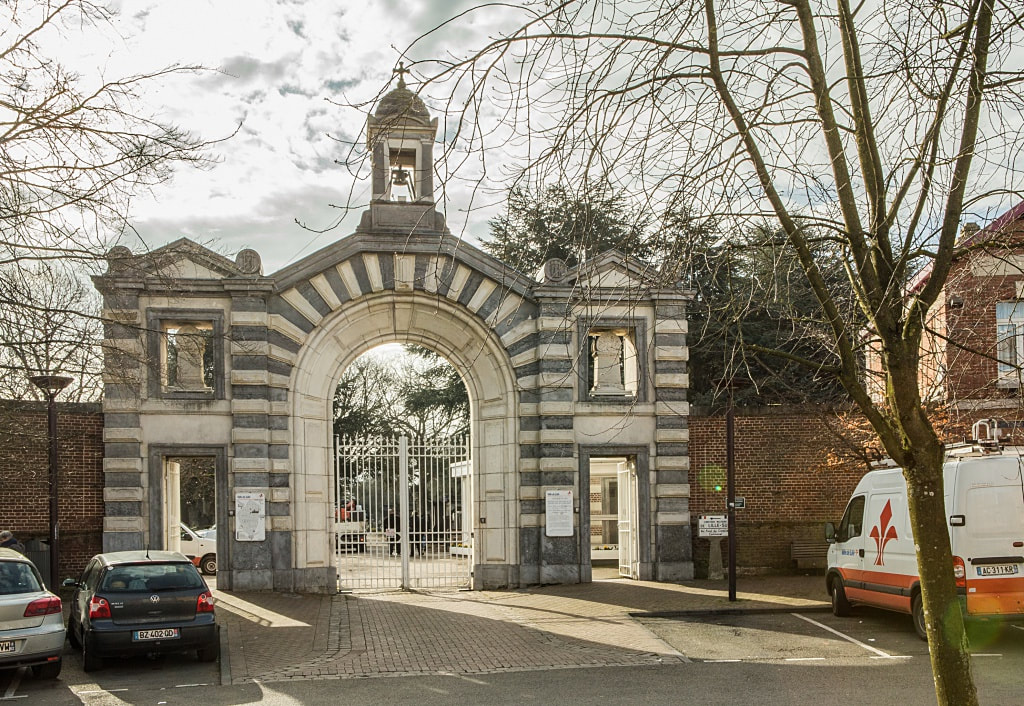
Location Information
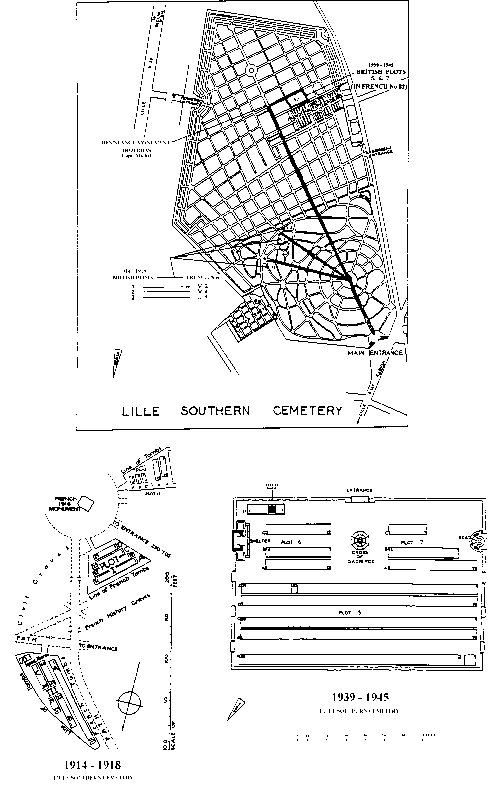
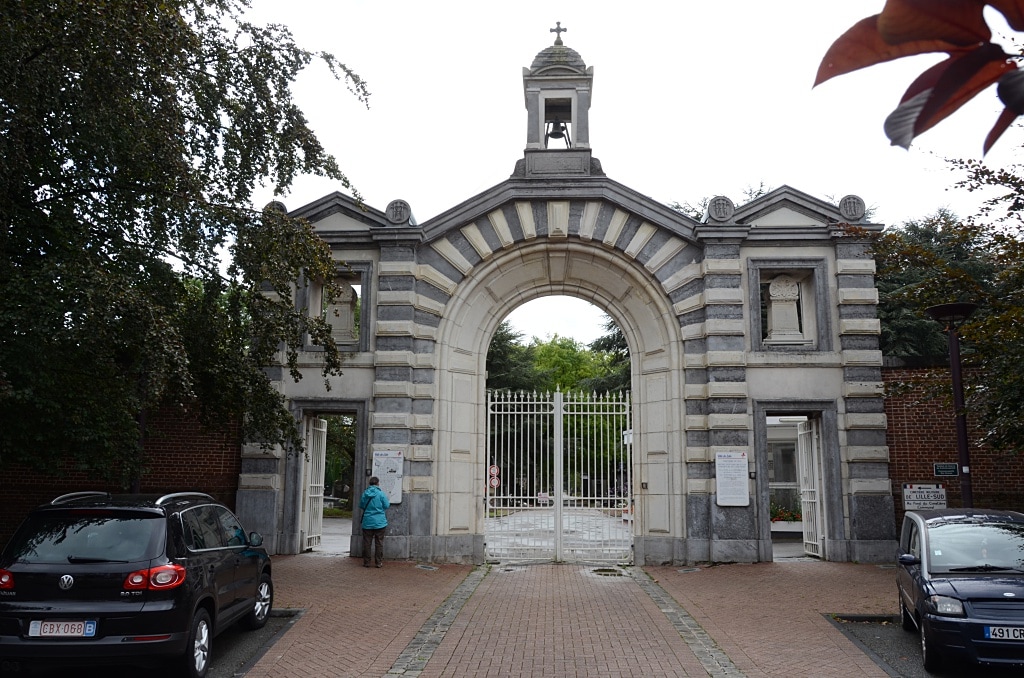
Follow the A25 motorway from Armentieres and exit at Junction 4. Follow the road to the right toward the hospital and turn left at the second set of traffic lights. Follow this road straight on until reaching the junction at the Church. Go straight through the junction until reaching traffic lights. The cemetery entrance is straight ahead at the junction of the Rue du Faubourg des Postes and the Rue de l'Arbrissead.
Visiting Information
Wheelchair access to this cemetery is possible with some difficulty.
Historical Information
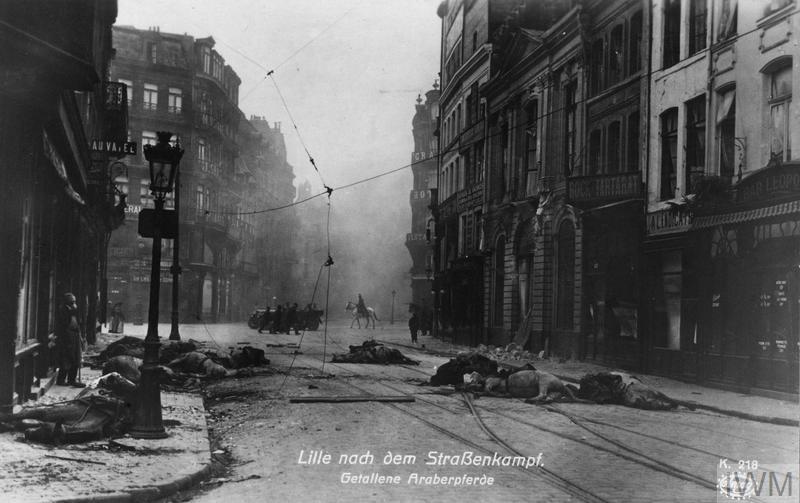
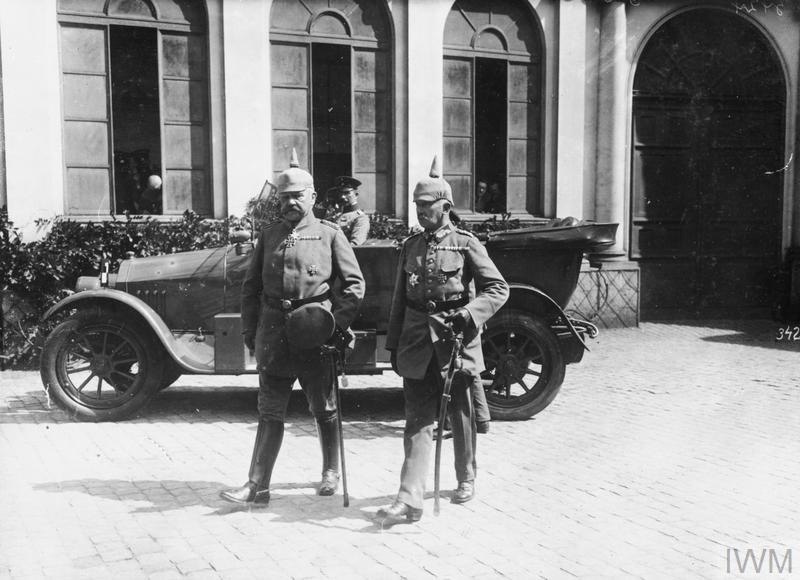
Lille was occupied by the Germans from the 27th August, to the 5th September 1914, and again on the 12th October; and it remained in their hands, undamaged by Allied artillery, until the 17th October 1918.
Southern Cemetery was used by the Germans during the greater part of the War, and after the Armistice by the 39th Stationary Hospital and the 1st Australian Casualty Clearing Station.
During the 1939-45 War, at the end of March 1940, the 50th Division was near Lille; while in May the same year No.10 Casualty Clearing Station used the Cemetery from the 16th to the 25th of the month.
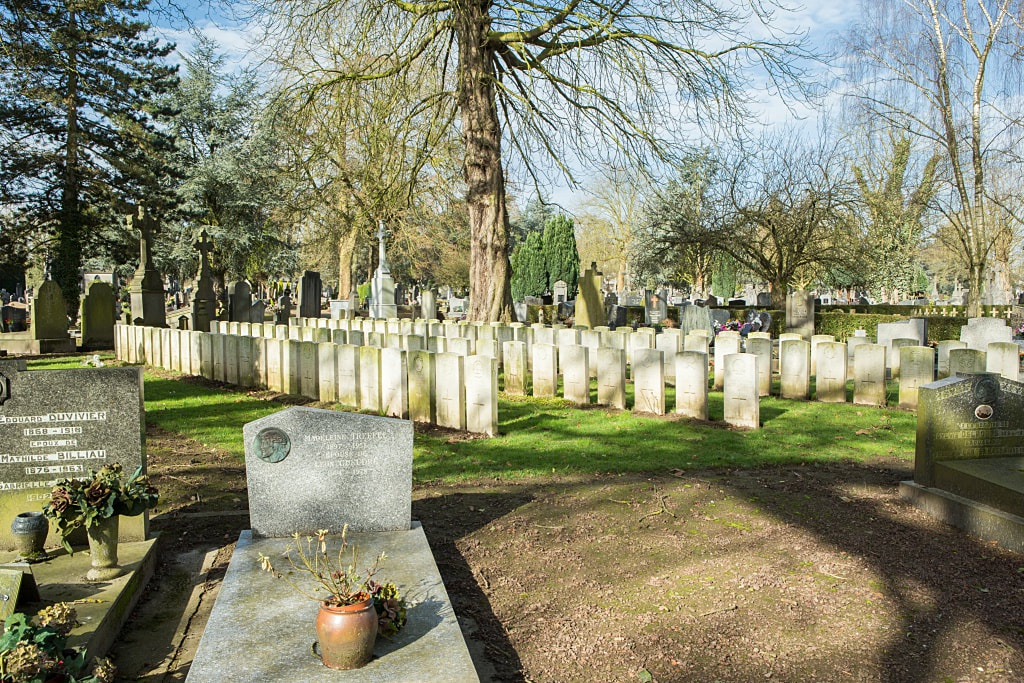
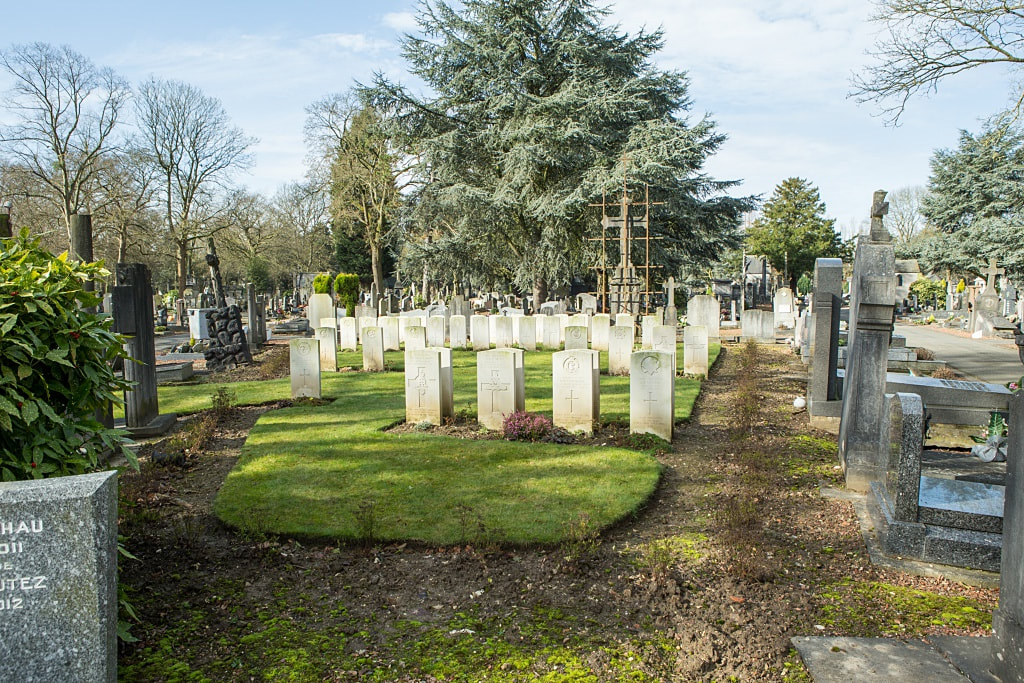
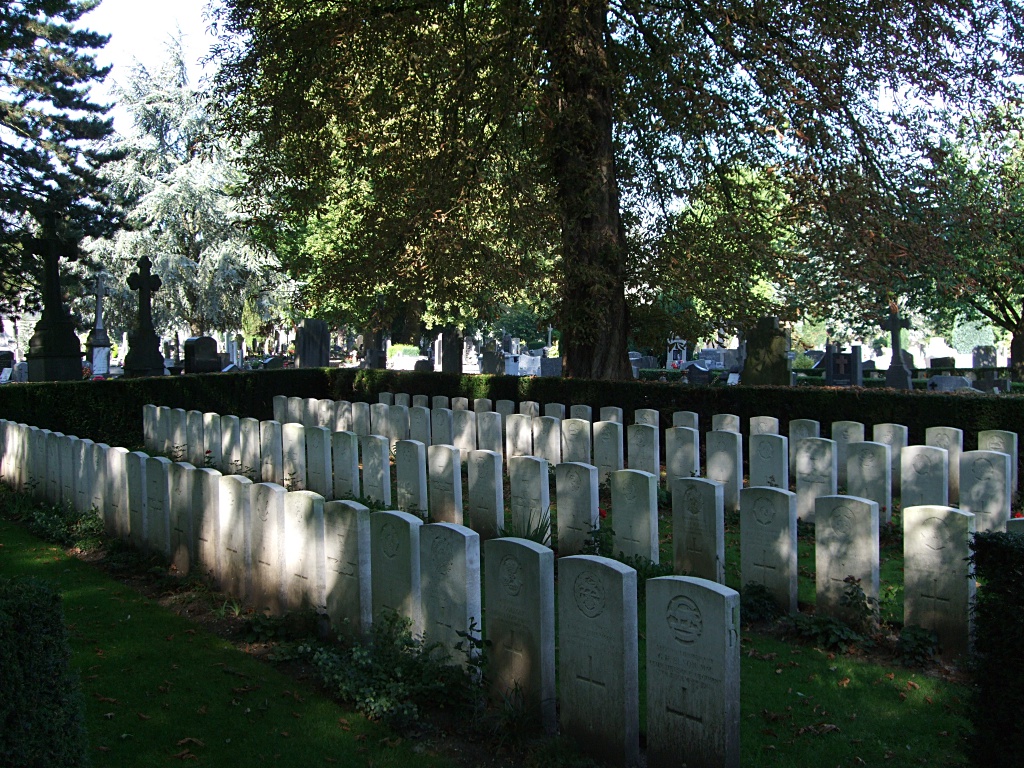
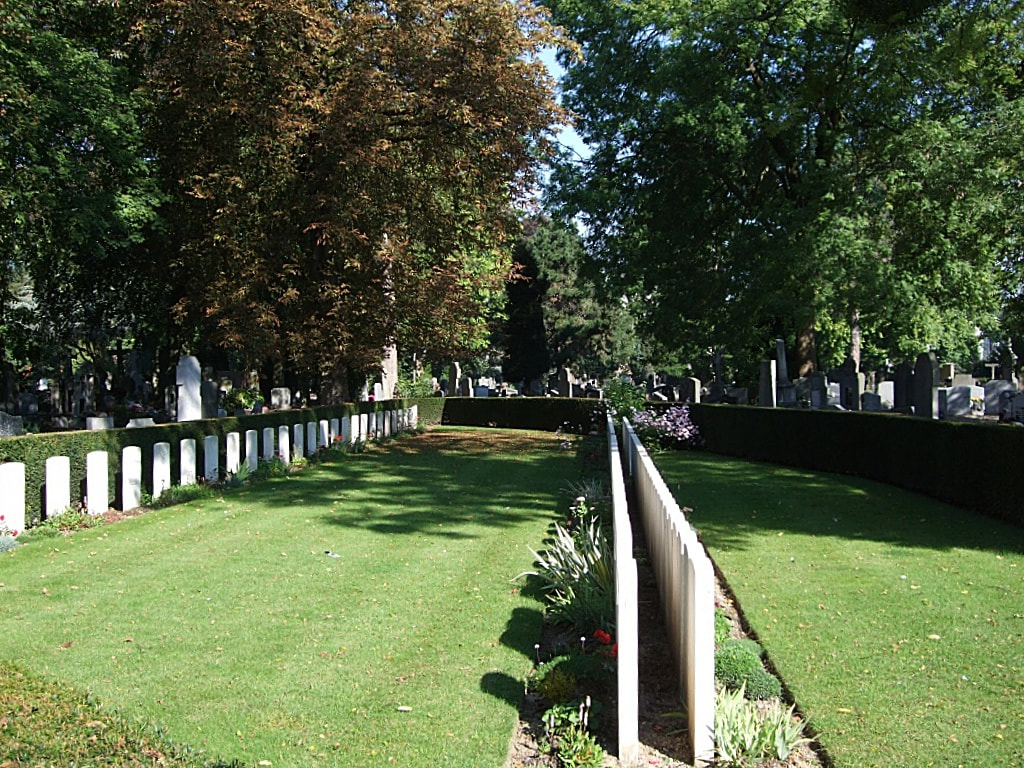
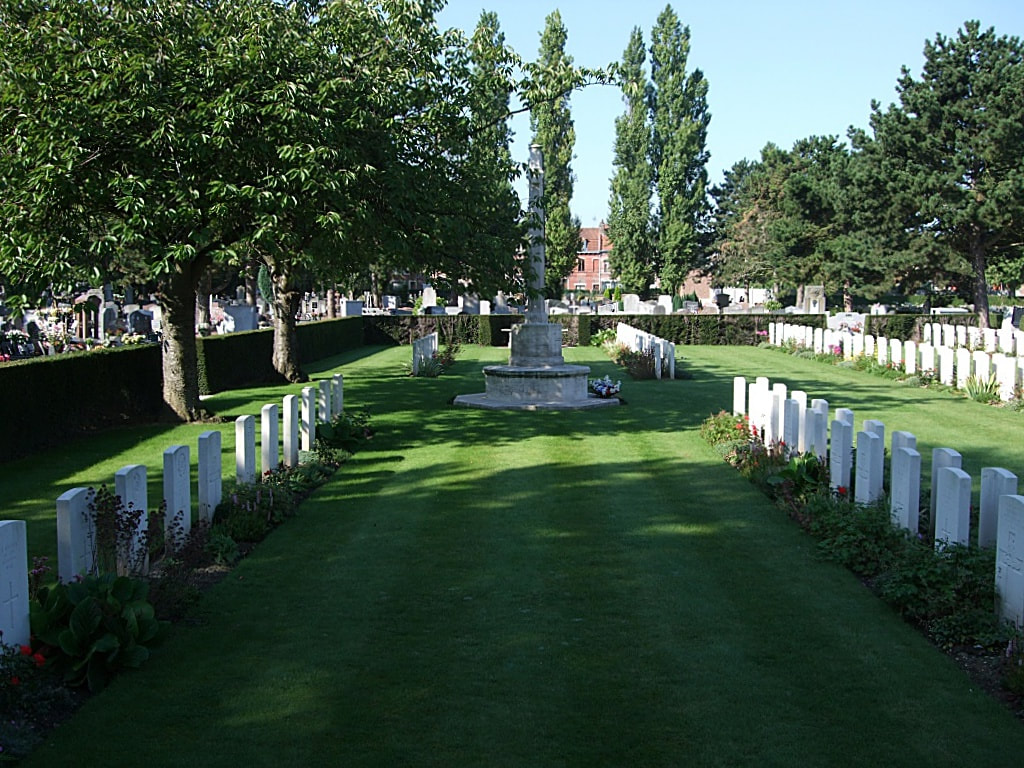
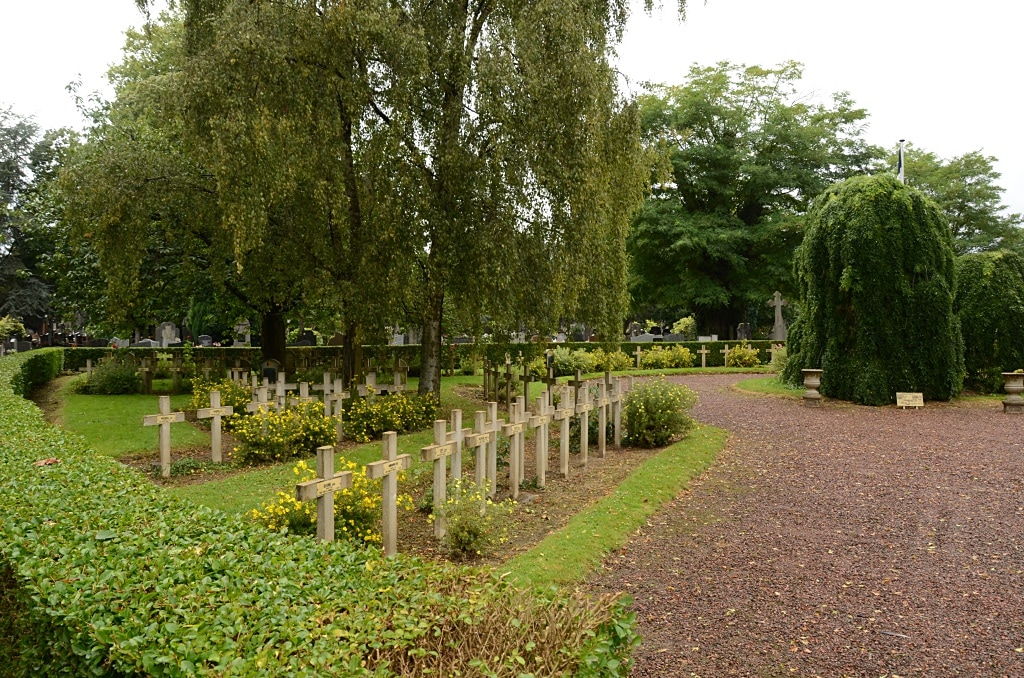
There are now over 600, 1914-18 and nearly 300, 1939-45 war casualties commemorated in this site. Of these, a small number from the 1914-18 War are unidentified and a special memorial is erected to one soldier from the United Kingdom known to be buried among them. From the 1939-45 War nearly 40 are unidentified.
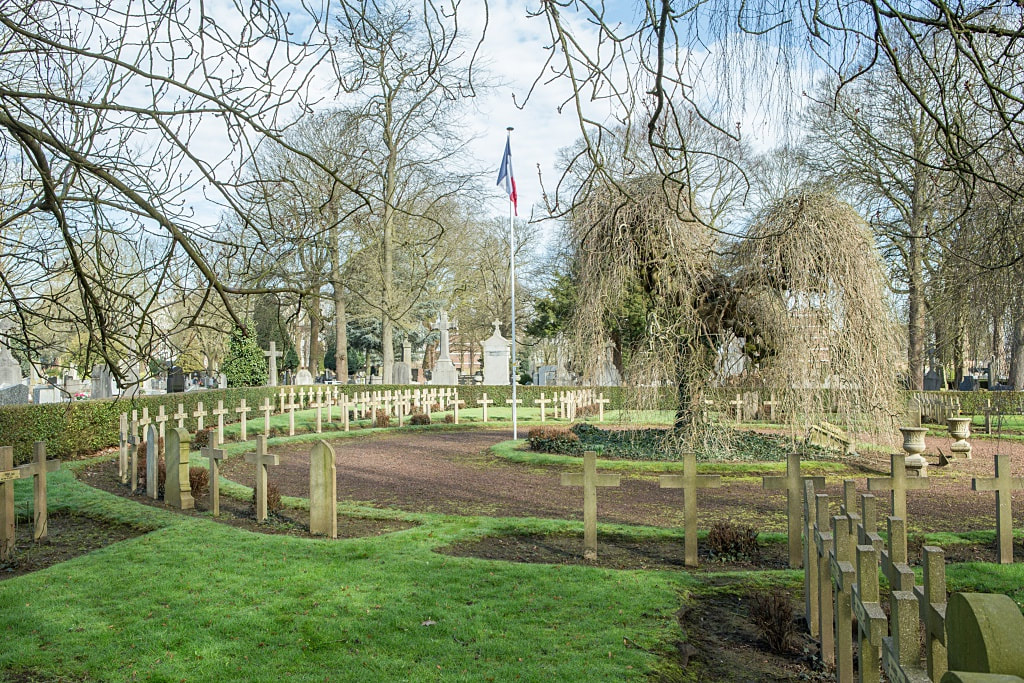
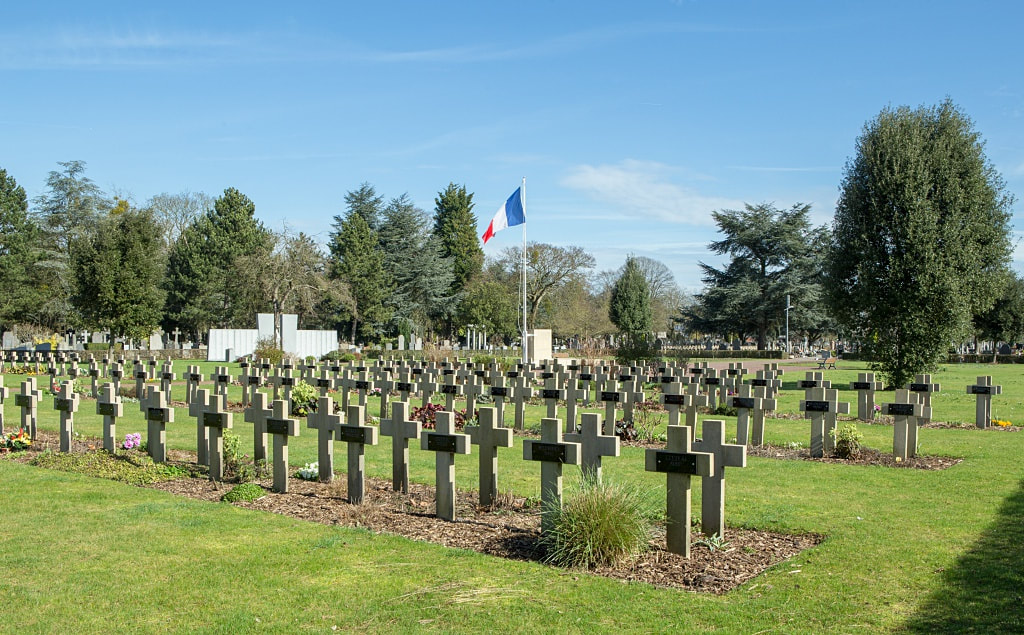
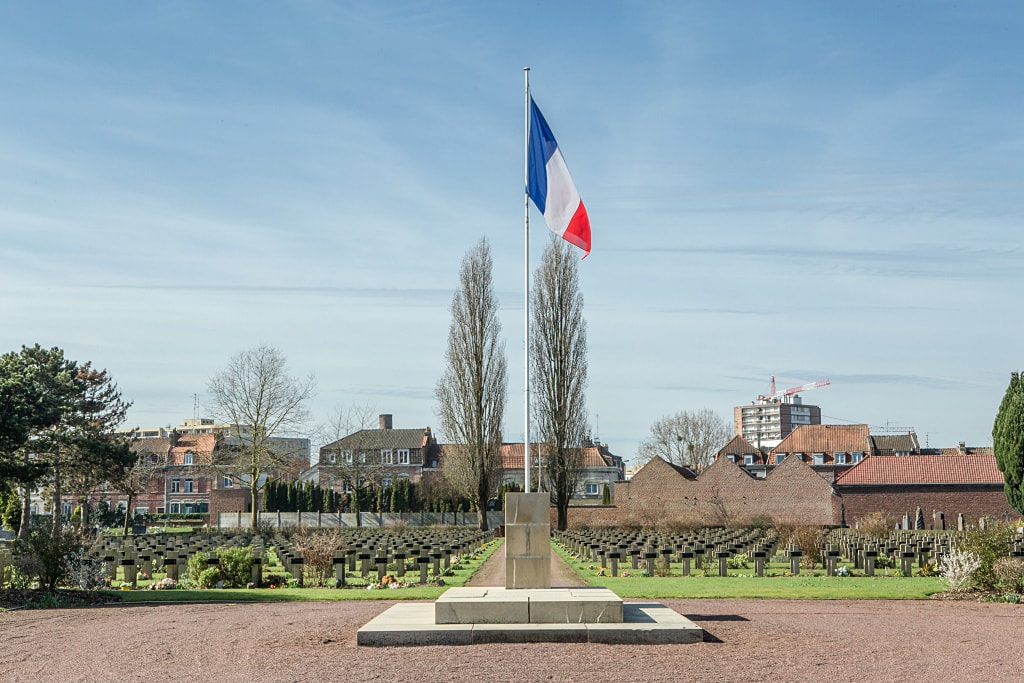
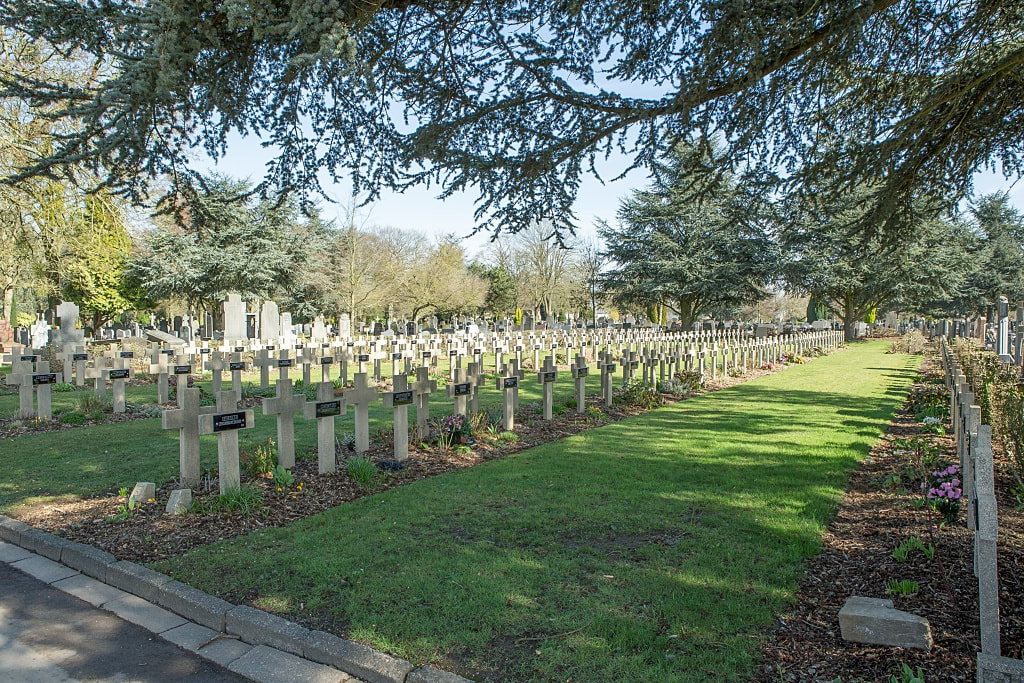
The French number of Plot I is V.2; that of Plot II, V.4; and that of Plot III (where British prisoners of War are buried) J.1. The Second War graves are in french Plot 82.
Casualty Details: UK 321, Australia 7, New Zealand 10, Total Burials: 338
Follow the A25 motorway from Armentieres and exit at Junction 4. Follow the road to the right toward the hospital and turn left at the second set of traffic lights. Follow this road straight on until reaching the junction at the Church. Go straight through the junction until reaching traffic lights. The cemetery entrance is straight ahead at the junction of the Rue du Faubourg des Postes and the Rue de l'Arbrissead.
Visiting Information
Wheelchair access to this cemetery is possible with some difficulty.
Historical Information
Lille was occupied by the Germans from the 27th August, to the 5th September 1914, and again on the 12th October; and it remained in their hands, undamaged by Allied artillery, until the 17th October 1918.
Southern Cemetery was used by the Germans during the greater part of the War, and after the Armistice by the 39th Stationary Hospital and the 1st Australian Casualty Clearing Station.
During the 1939-45 War, at the end of March 1940, the 50th Division was near Lille; while in May the same year No.10 Casualty Clearing Station used the Cemetery from the 16th to the 25th of the month.
There are now over 600, 1914-18 and nearly 300, 1939-45 war casualties commemorated in this site. Of these, a small number from the 1914-18 War are unidentified and a special memorial is erected to one soldier from the United Kingdom known to be buried among them. From the 1939-45 War nearly 40 are unidentified.
The French number of Plot I is V.2; that of Plot II, V.4; and that of Plot III (where British prisoners of War are buried) J.1. The Second War graves are in french Plot 82.
Casualty Details: UK 321, Australia 7, New Zealand 10, Total Burials: 338
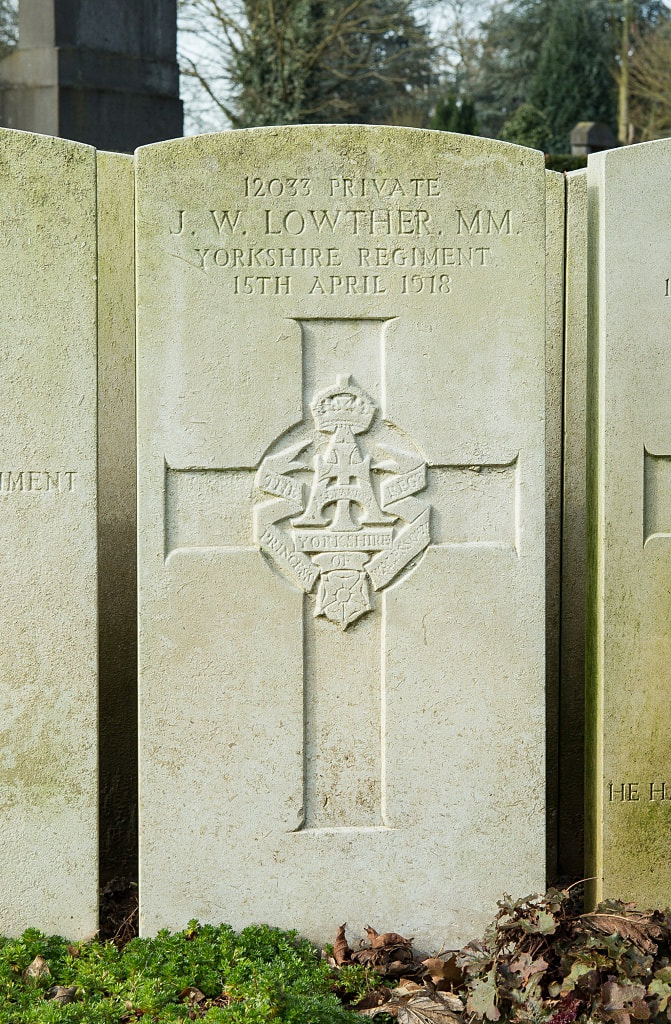
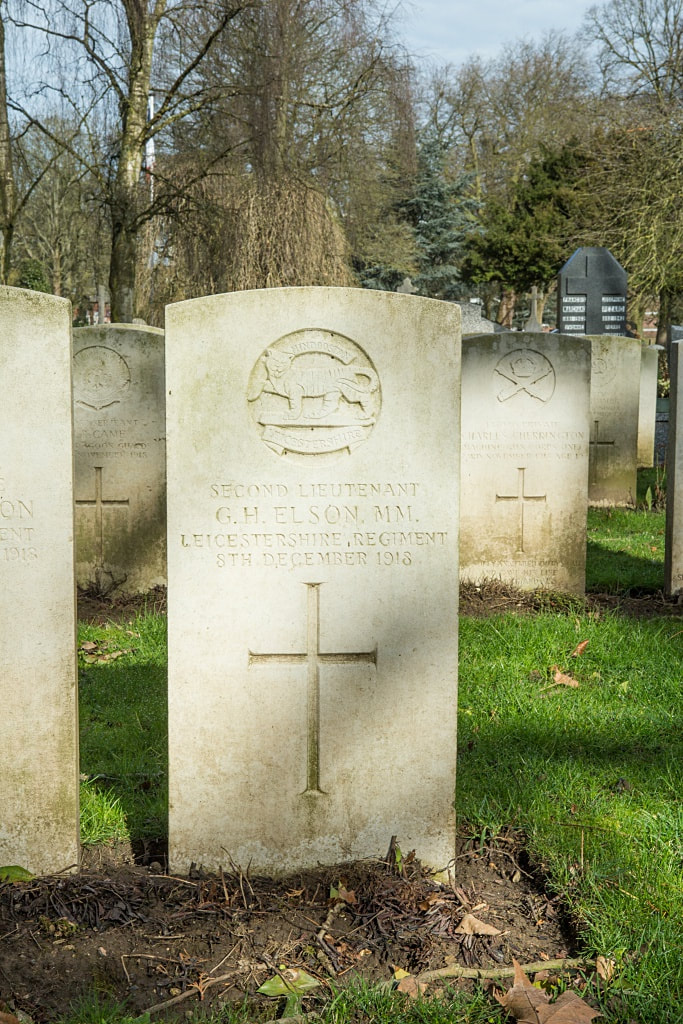
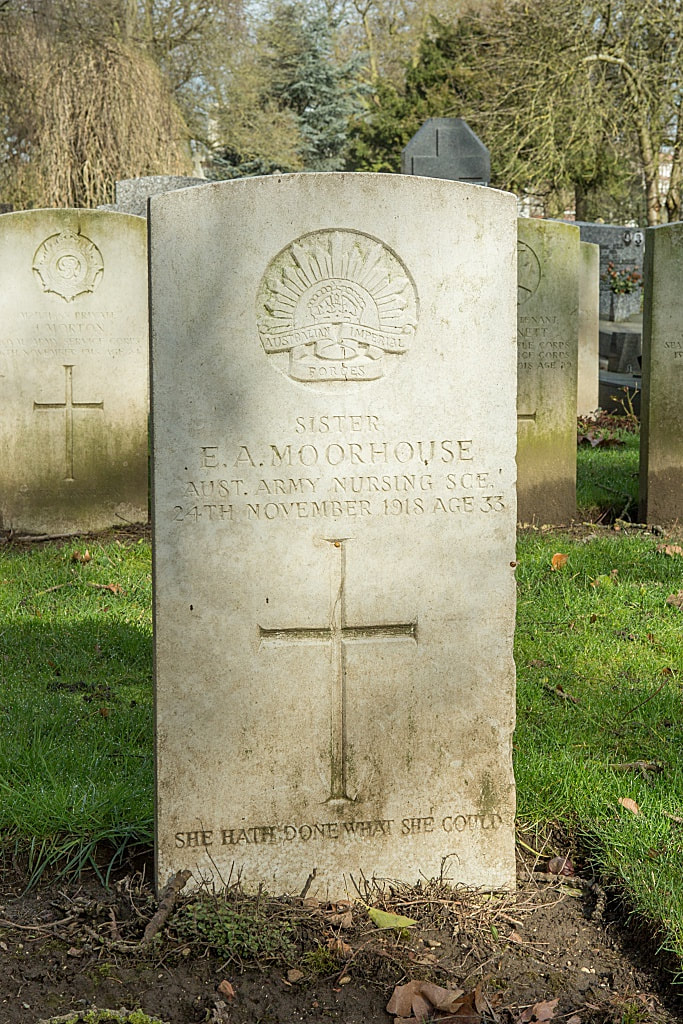
World War One Burials
Pictures © Werner Van Caneghem

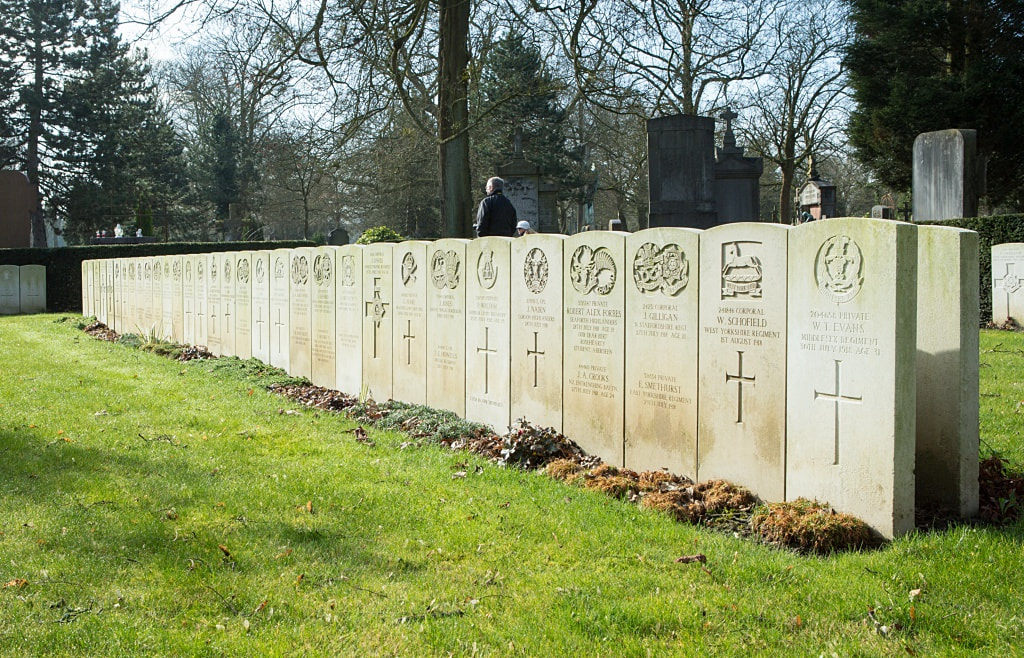
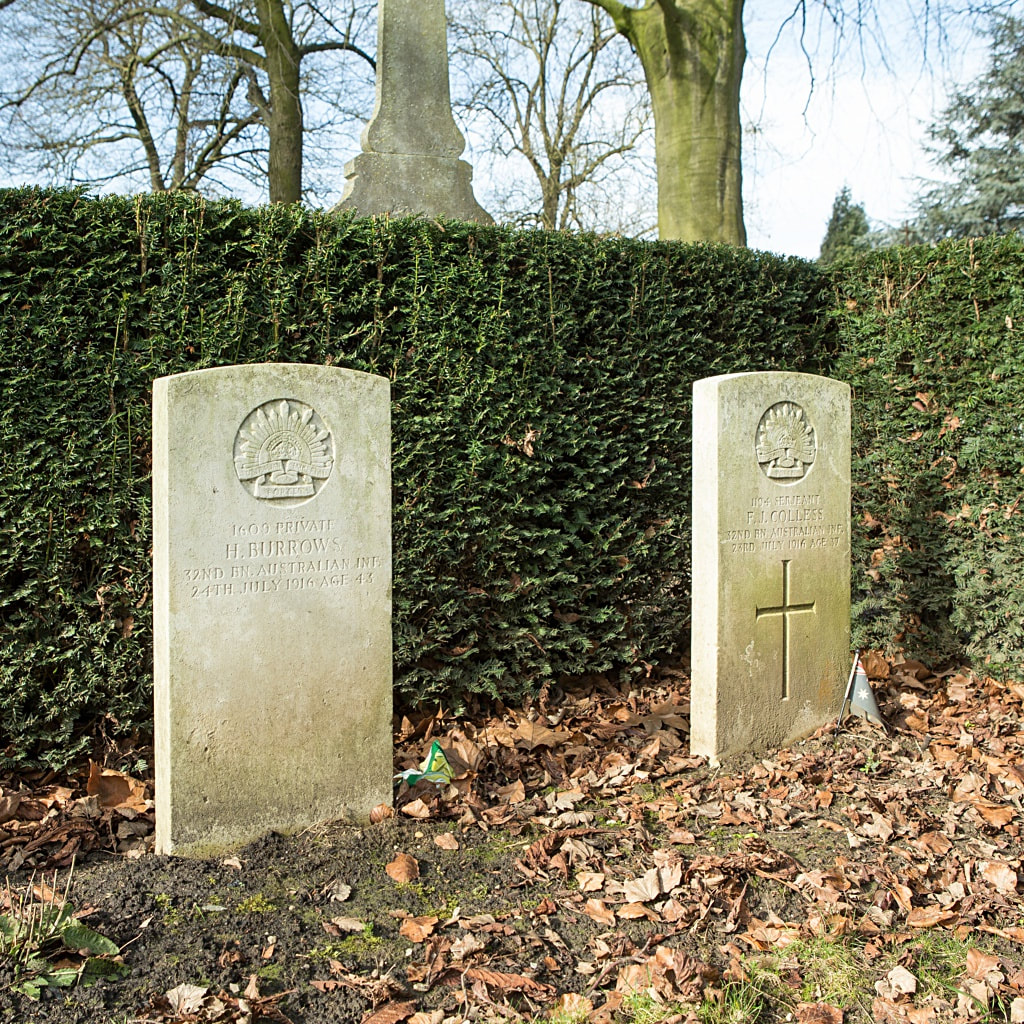
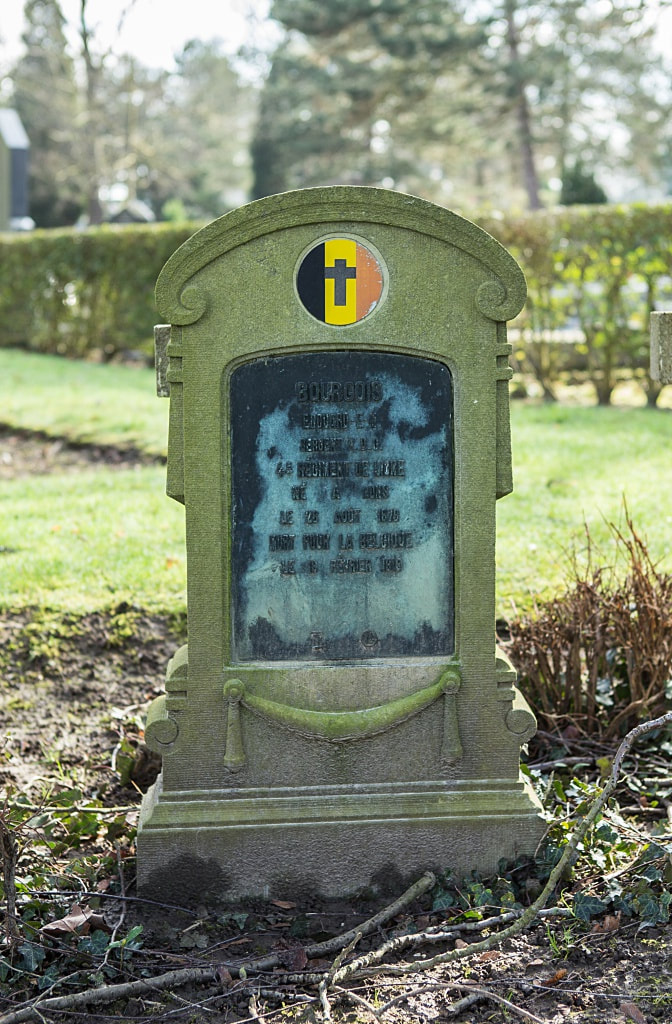
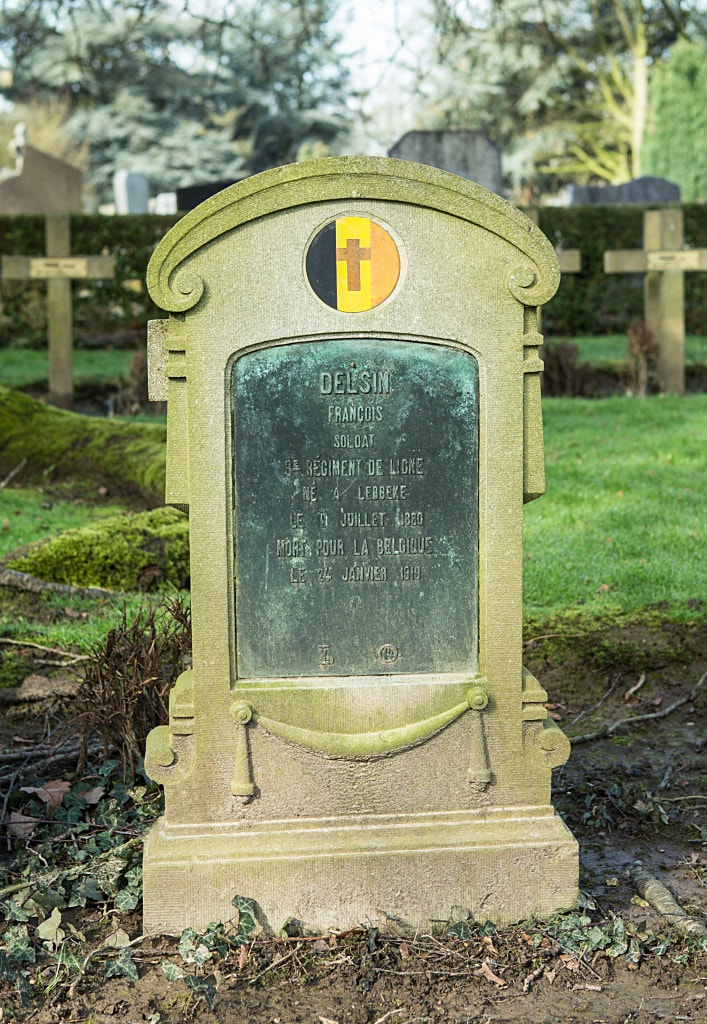
Some of the Individual World War One Burials
Pictures © Werner Van Caneghem
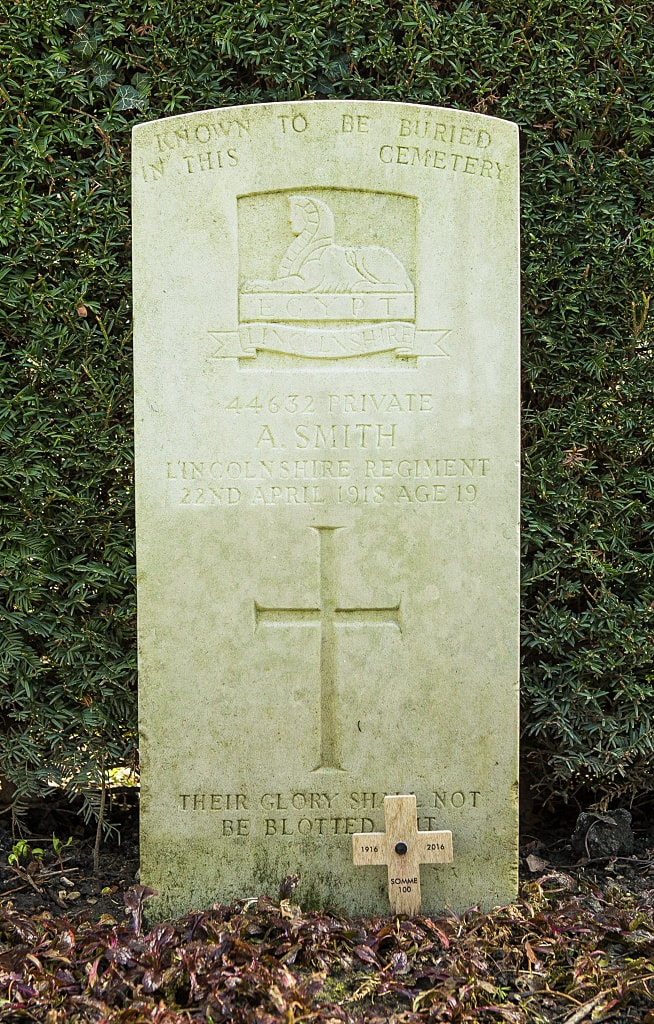
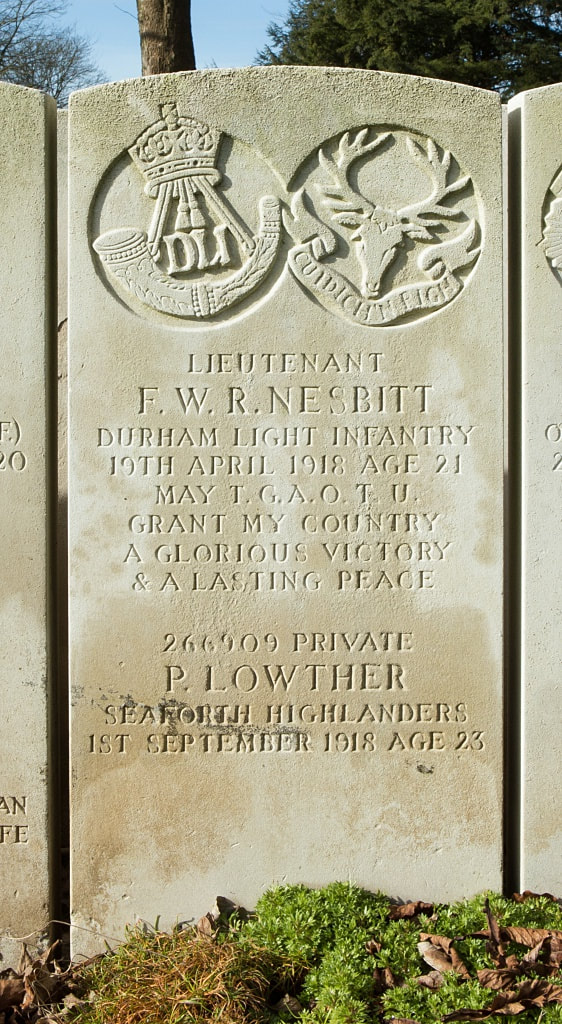

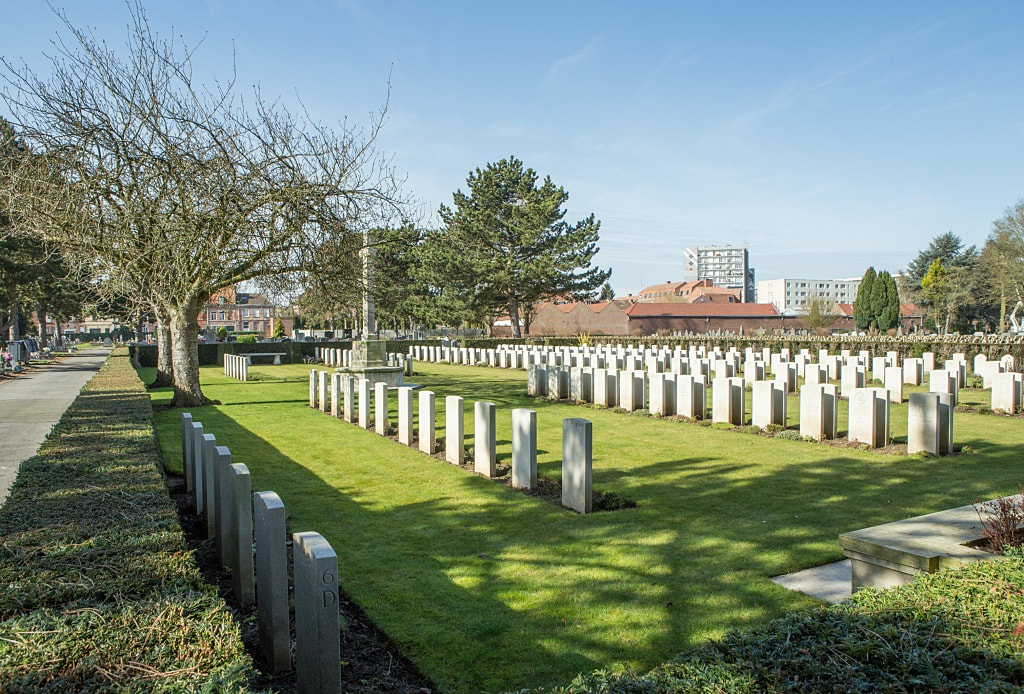
World War Two Burials
Pictures © Werner Van Caneghem



Some of the Individual World War Two Burials
Pictures © Werner Van Caneghem
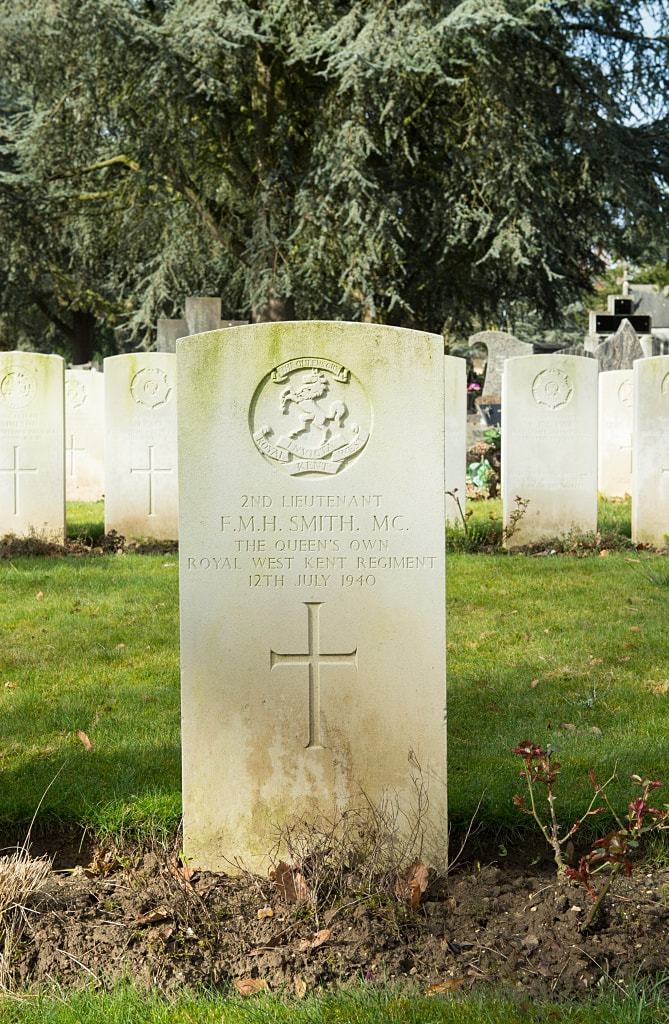

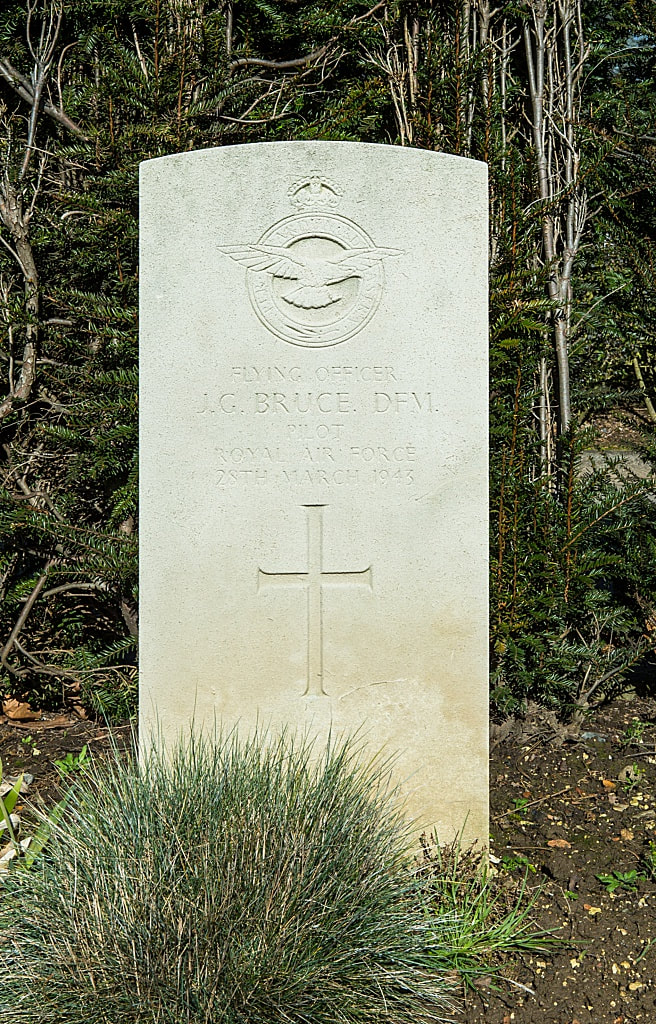
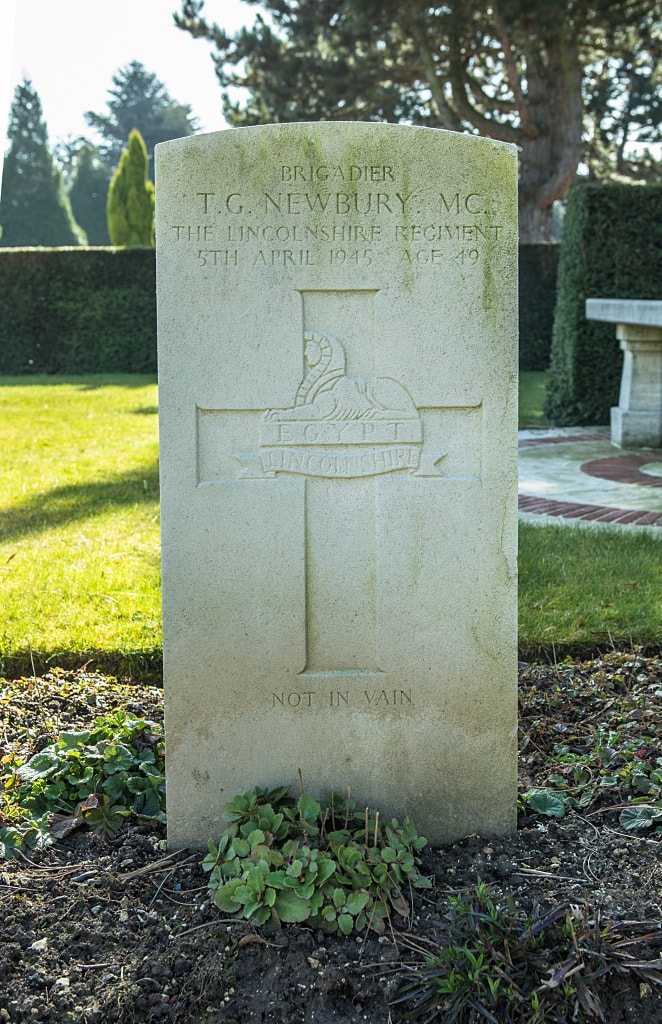
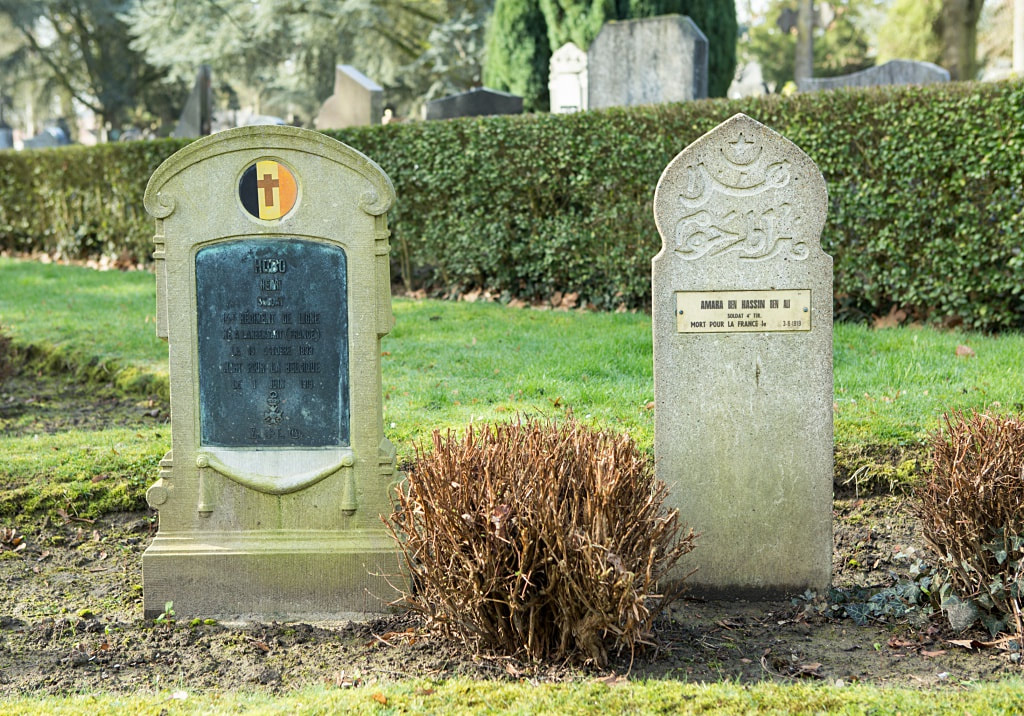
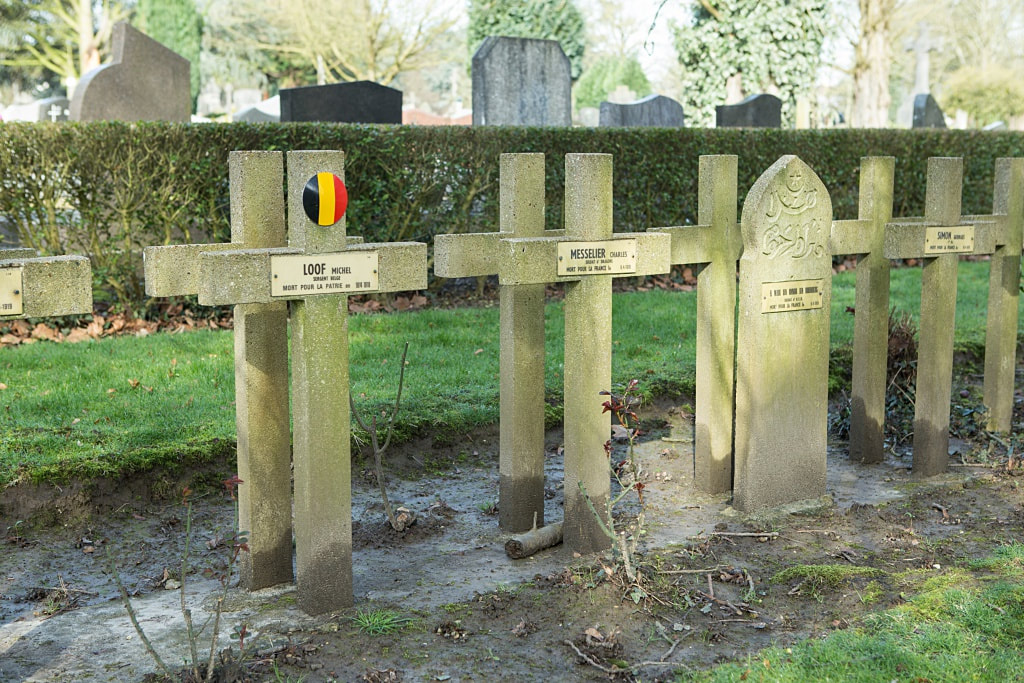
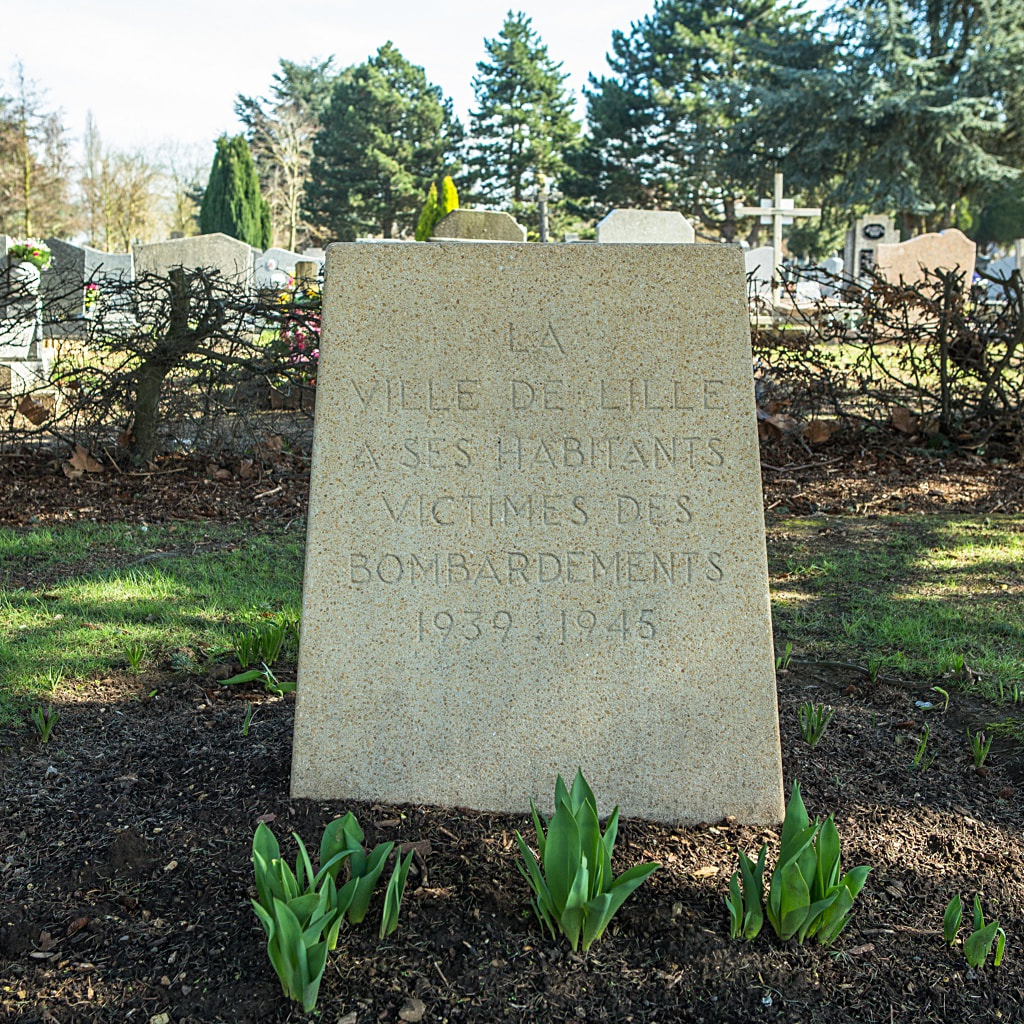
Other Nationalities and Memorials
Pictures © Werner Van Caneghem
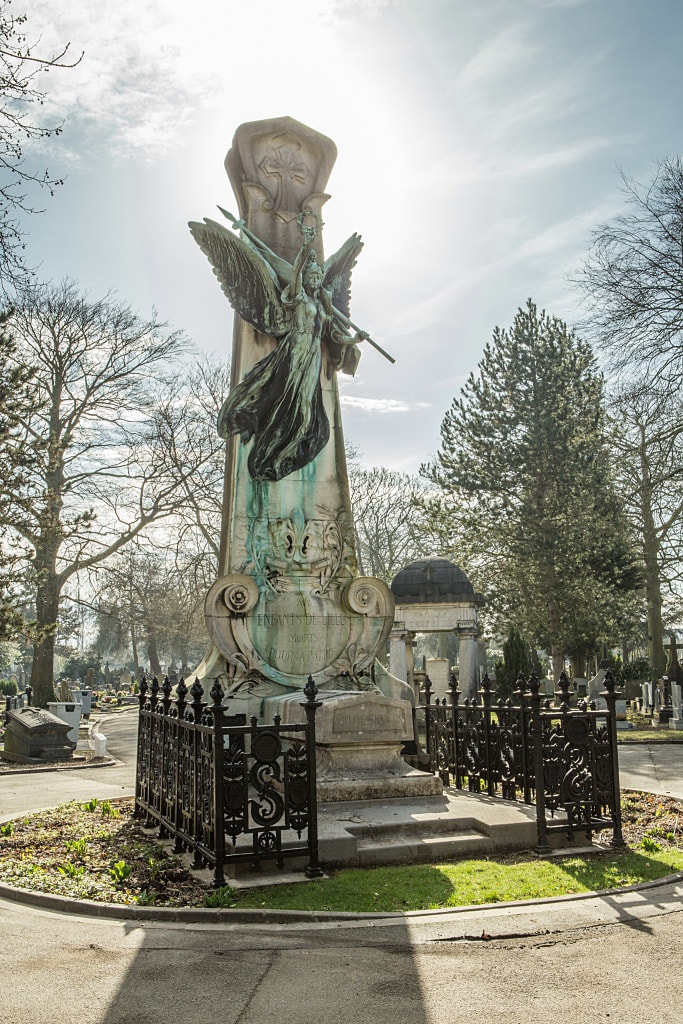
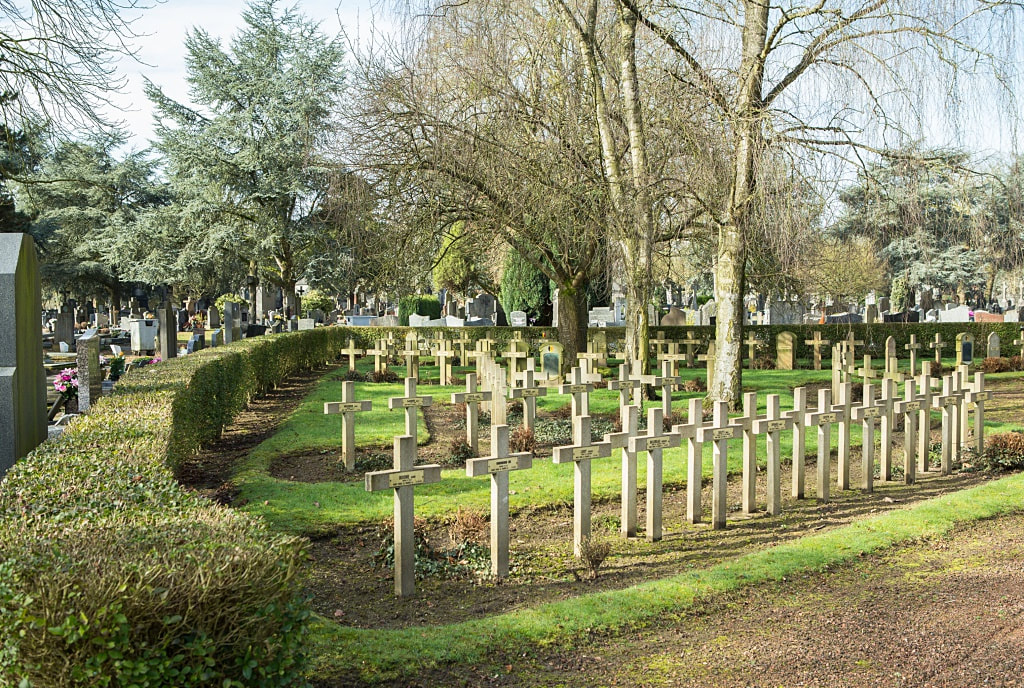
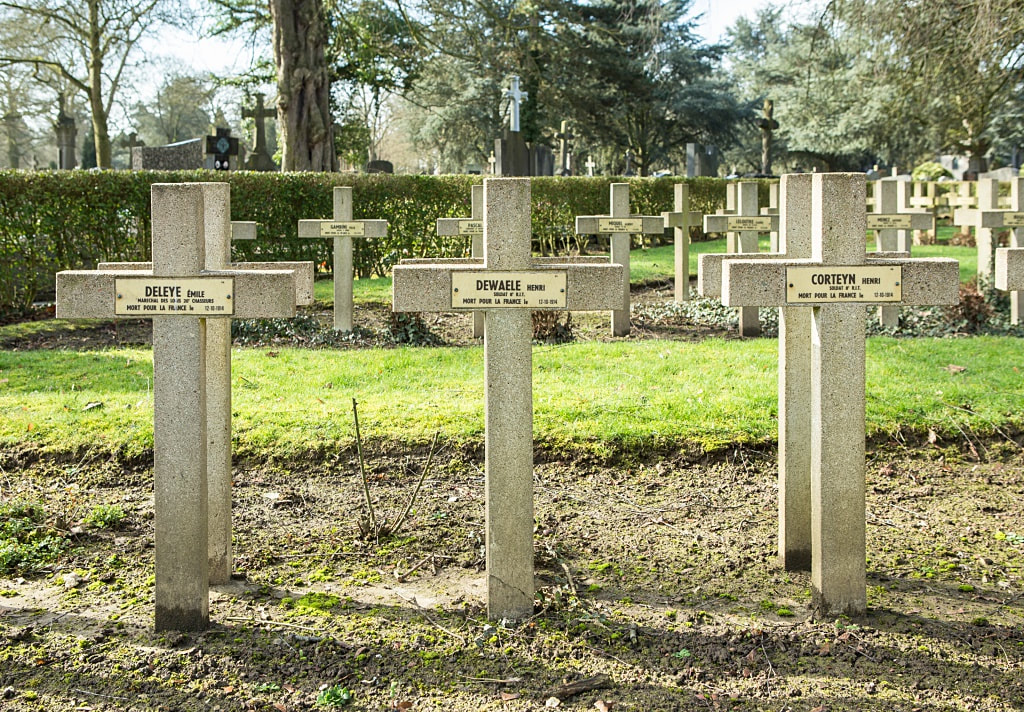
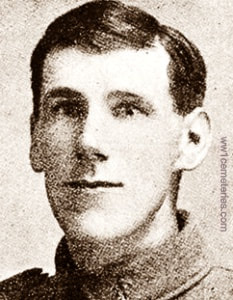
12957 Private
William David Allcock
2nd Bn. Auckland Regiment, N. Z. E. F.
21st February 1917.
Plot III. B. 36.
Son of Mrs. Agnes Allcock, of 14, Symonds St., Wanganui, East, New Zealand.
William David Allcock
2nd Bn. Auckland Regiment, N. Z. E. F.
21st February 1917.
Plot III. B. 36.
Son of Mrs. Agnes Allcock, of 14, Symonds St., Wanganui, East, New Zealand.
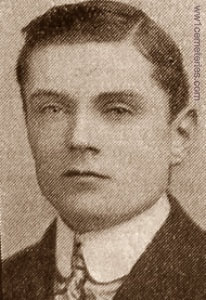
32195 Private
William Francis Bayliss
3rd Bn. Norfolk Regiment, transf. to (614275) 176th Coy. Labour Corps
14th November 1918, aged 28.
Plot I. A. 7.
Husband of N. White (formerly Bayliss), of 4, Doddridge Square, Northampton.
His headstone bears the inscription; "Sadly Missed Fondly Remembered From Wife, Daughter And Mother."
William Francis Bayliss
3rd Bn. Norfolk Regiment, transf. to (614275) 176th Coy. Labour Corps
14th November 1918, aged 28.
Plot I. A. 7.
Husband of N. White (formerly Bayliss), of 4, Doddridge Square, Northampton.
His headstone bears the inscription; "Sadly Missed Fondly Remembered From Wife, Daughter And Mother."
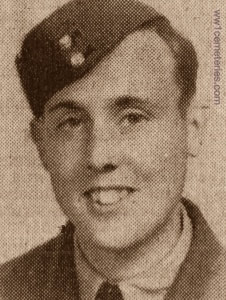
1206770 Sergeant (Navigator (Bomber))
Walter Chester
35 Sqdn. Royal Air Force Volunteer Reserve
5th October 1942, aged 28.
Plot 5. A. 20.
Son of Walter and Sophia Chester; husband of Doreen Mary Chester, of Leicester.
His headstone bears the inscription; "Life Is Eternal; And Love Is Immortal; And Death Is Only A Horizon""
Walter Chester
35 Sqdn. Royal Air Force Volunteer Reserve
5th October 1942, aged 28.
Plot 5. A. 20.
Son of Walter and Sophia Chester; husband of Doreen Mary Chester, of Leicester.
His headstone bears the inscription; "Life Is Eternal; And Love Is Immortal; And Death Is Only A Horizon""
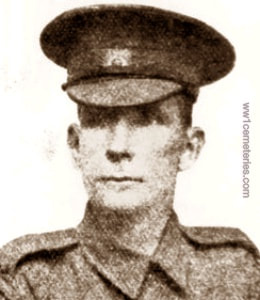
1194 Sergeant
Frederic Joscelyn Colless
32nd Bn. Australian Infantry, A. I. F.
23rd July 1916, aged 37.
Plot III. A. 35.
Son of Joseph and Mary Ann Colless husband of Anna J. Colless, of "Coromandel", Wood St. Fremantle East, Western Australia. Born at Bourke New South Wales.
He was listed as missing at Fleurbaix on July 20th 1916 and later confirmed as a Prisoner of War. He died at Kriegslz Part 1, Lille, from Sepsis caused by grenade splinters in each leg and was buried by the Germans at Lille Southern Cemetery.
Frederic Joscelyn Colless
32nd Bn. Australian Infantry, A. I. F.
23rd July 1916, aged 37.
Plot III. A. 35.
Son of Joseph and Mary Ann Colless husband of Anna J. Colless, of "Coromandel", Wood St. Fremantle East, Western Australia. Born at Bourke New South Wales.
He was listed as missing at Fleurbaix on July 20th 1916 and later confirmed as a Prisoner of War. He died at Kriegslz Part 1, Lille, from Sepsis caused by grenade splinters in each leg and was buried by the Germans at Lille Southern Cemetery.
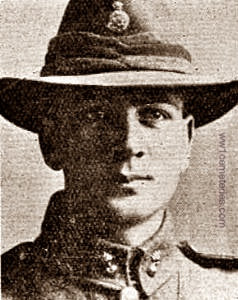
4/1153 Sapper
Donald Eddie
New Zealand Engineers
23rd February 1917.
Plot III. B. 40.
Son of Mr. and Mrs. Andrew Eddie, of Mangahao, Pahiatua, New Zealand.
Donald Eddie
New Zealand Engineers
23rd February 1917.
Plot III. B. 40.
Son of Mr. and Mrs. Andrew Eddie, of Mangahao, Pahiatua, New Zealand.
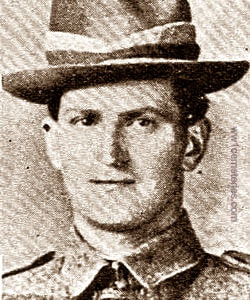
12368 Private
Arthur James Evans
2nd Bn. Auckland Regiment, N. Z. E. F.
25th February 1917, aged 21.
Plot III. B. 35.
Son of H. G. and M. M. Evans, of Makaretu Takapau, Hawke's Bay, New Zealand.
Arthur James Evans
2nd Bn. Auckland Regiment, N. Z. E. F.
25th February 1917, aged 21.
Plot III. B. 35.
Son of H. G. and M. M. Evans, of Makaretu Takapau, Hawke's Bay, New Zealand.
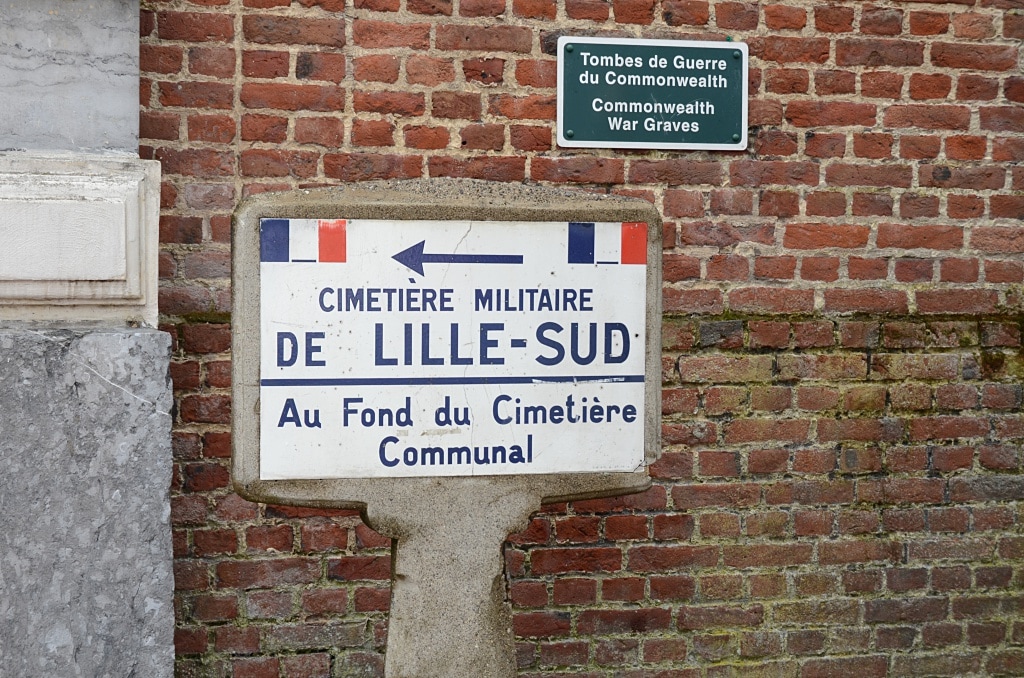
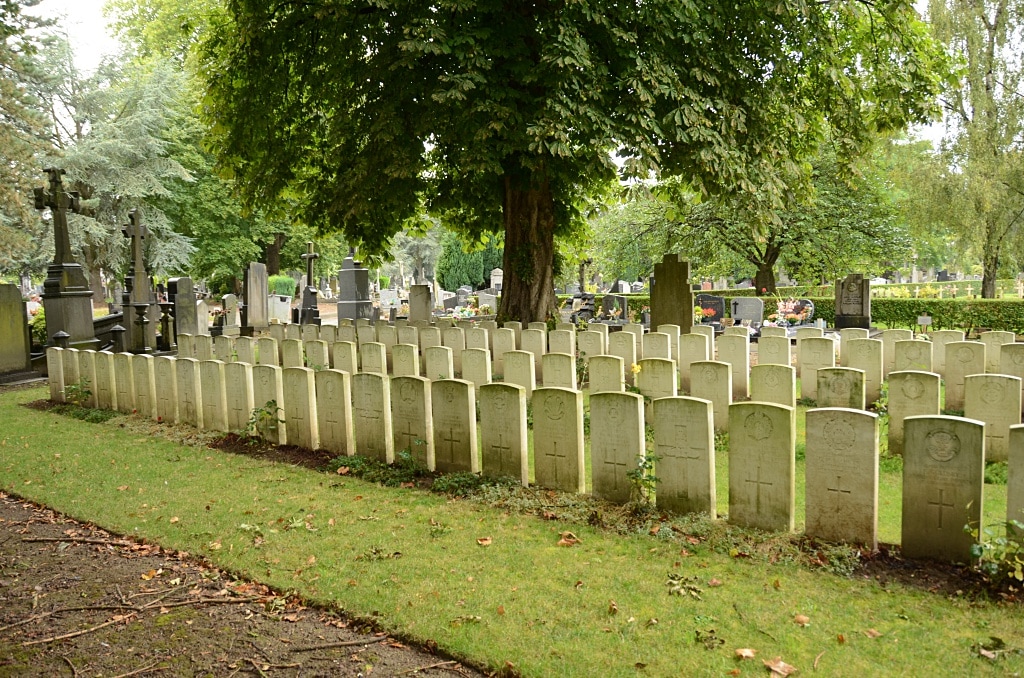
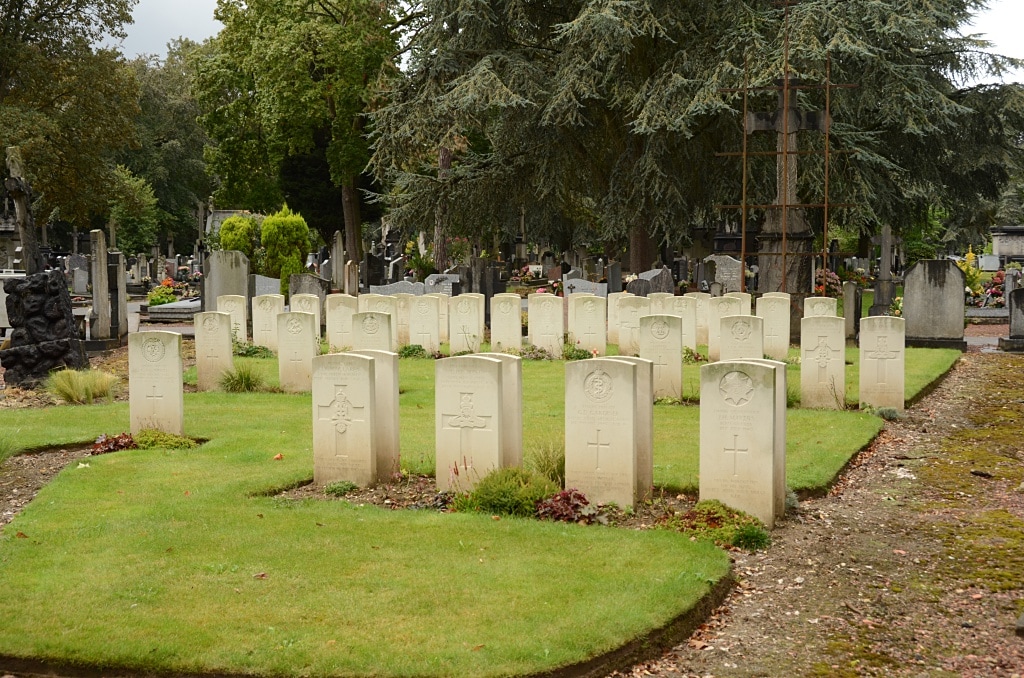
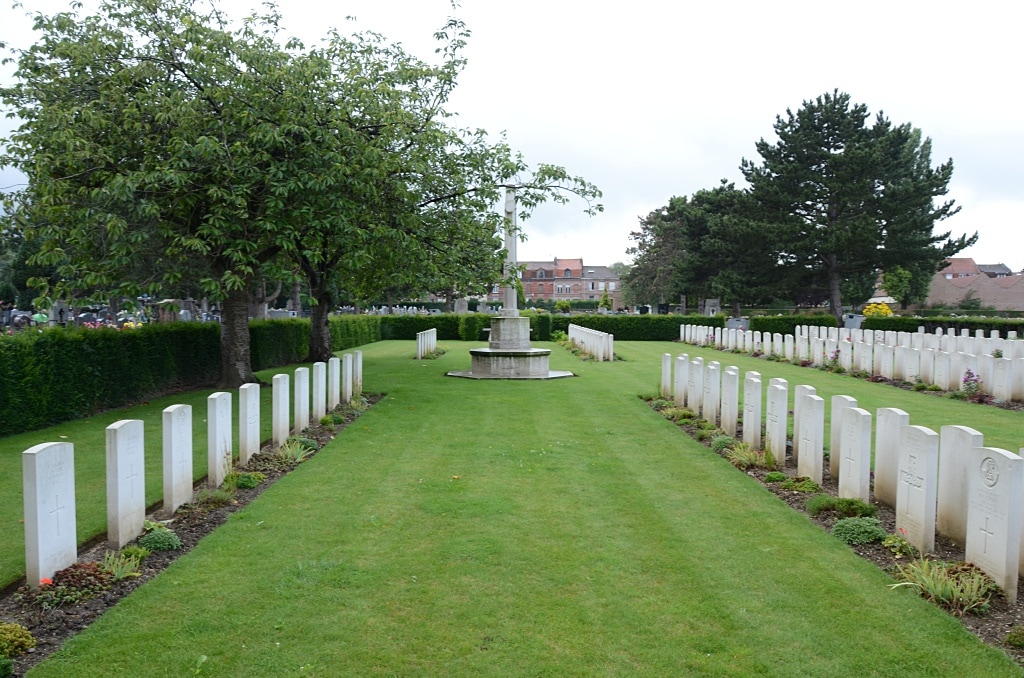
Pictures in gallery below © Johan Pauwels

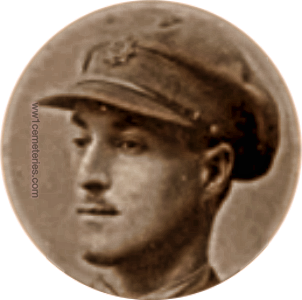
Lieutenant
Percy Kenmure Grant, Mentioned in Despatches
G. H. Q., Army Service Corps
6th November 1918, aged 28.
Plot I. A. 29.
Son of Arthur Grant, of St. "Johns", Colinton, Midlothian. Enlisted in London Scottish Feb., 1915. Gazetted Oct.1915.
His headstone bears the inscription; "Until The Day Break."
Percy Kenmure Grant, Mentioned in Despatches
G. H. Q., Army Service Corps
6th November 1918, aged 28.
Plot I. A. 29.
Son of Arthur Grant, of St. "Johns", Colinton, Midlothian. Enlisted in London Scottish Feb., 1915. Gazetted Oct.1915.
His headstone bears the inscription; "Until The Day Break."
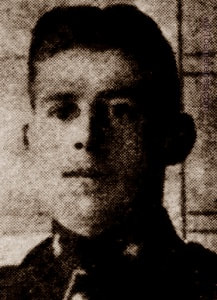
12002 Lance Corporal
Joseph Bernard Griffin
2nd Bn. Sherwood Foresters (Notts and Derby Regiment)
22nd October 1914, aged 20.
Plot III. A. 2.
Son of Mrs. C. Griffin, of Wilford, Notts.
His headstone bears the inscription; "Father In Thy Gracious Keeping Leave We Now Our Loved One Sleeping."
Joseph Bernard Griffin
2nd Bn. Sherwood Foresters (Notts and Derby Regiment)
22nd October 1914, aged 20.
Plot III. A. 2.
Son of Mrs. C. Griffin, of Wilford, Notts.
His headstone bears the inscription; "Father In Thy Gracious Keeping Leave We Now Our Loved One Sleeping."
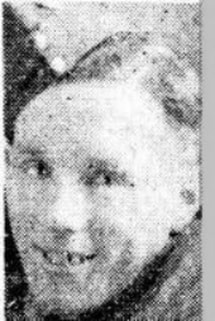
4457309 Private
Peter McLoram
9th Bn. Durham Light Infantry
26th May 1940, aged 21.
Plot 6. A. 3.
Son of J. McLoram and Ada McLoram, of Deneside, Seaham, Co. Durham.
His headstone bears the inscription; One Of The Dearest, One Of The Best, God In His Mercy, Took Him To Rest. R.I.P.
Peter McLoram
9th Bn. Durham Light Infantry
26th May 1940, aged 21.
Plot 6. A. 3.
Son of J. McLoram and Ada McLoram, of Deneside, Seaham, Co. Durham.
His headstone bears the inscription; One Of The Dearest, One Of The Best, God In His Mercy, Took Him To Rest. R.I.P.
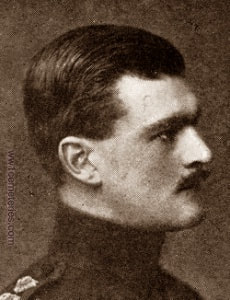
Lieutenant
Arthur George Murray-Smith
2nd Life Guards
2nd November 1914, aged 28.
Plot III. A. 11.
Husband of Margaret Pollock (formerly Murray-Smith), of Mountainstown, Navan, Co. Meath.
His headstone bears the inscription; "It Is Well With You Among The Chosen Few Among The Very Brave The Very True."
Arthur George Murray-Smith
2nd Life Guards
2nd November 1914, aged 28.
Plot III. A. 11.
Husband of Margaret Pollock (formerly Murray-Smith), of Mountainstown, Navan, Co. Meath.
His headstone bears the inscription; "It Is Well With You Among The Chosen Few Among The Very Brave The Very True."
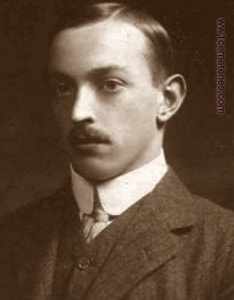
Captain
Leonel Graham Pringle (Leo), M. V. O.
1st Bn. Highland Light Infantry
29th December 1914, aged 34.
Plot III. A. 24.
Son of Capt. James T. Pringle, R.N., of Torwoodlee, Selkirkshire.
Leonel Graham Pringle (Leo), M. V. O.
1st Bn. Highland Light Infantry
29th December 1914, aged 34.
Plot III. A. 24.
Son of Capt. James T. Pringle, R.N., of Torwoodlee, Selkirkshire.
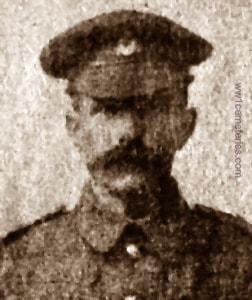
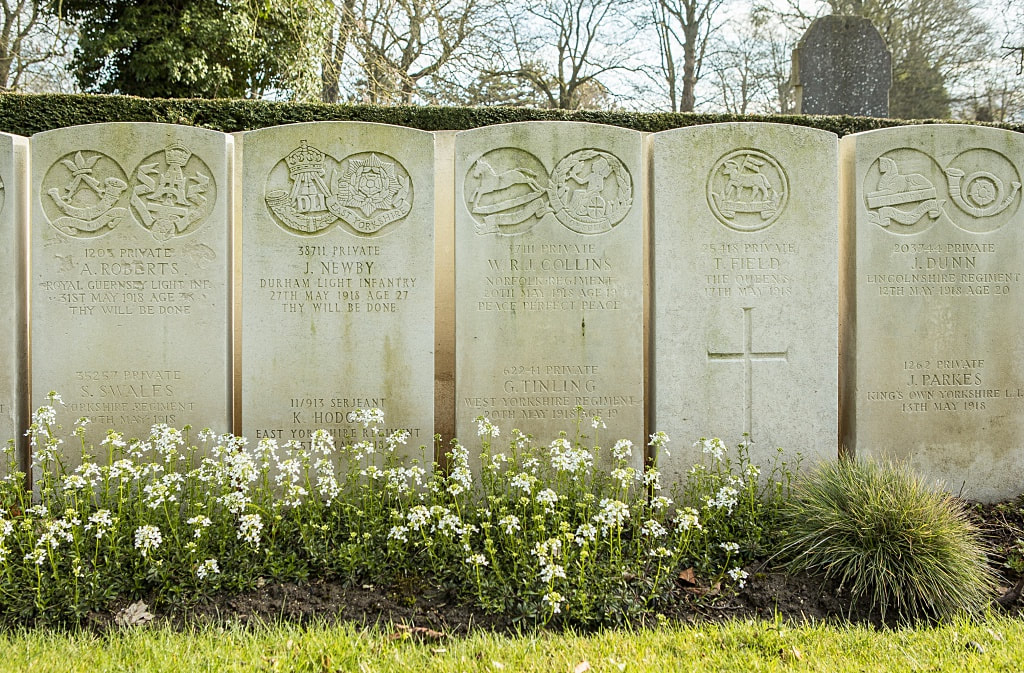
1205 Private
Alfred Roberts
1st Bn. Royal Guernsey Light Infantry
31st May 1918, aged 38.
Plot III. B. 16.
Brother of Mrs. J. A. Gallienne, of Les Sages St. Peters-in-the-Wood, Guernsey.
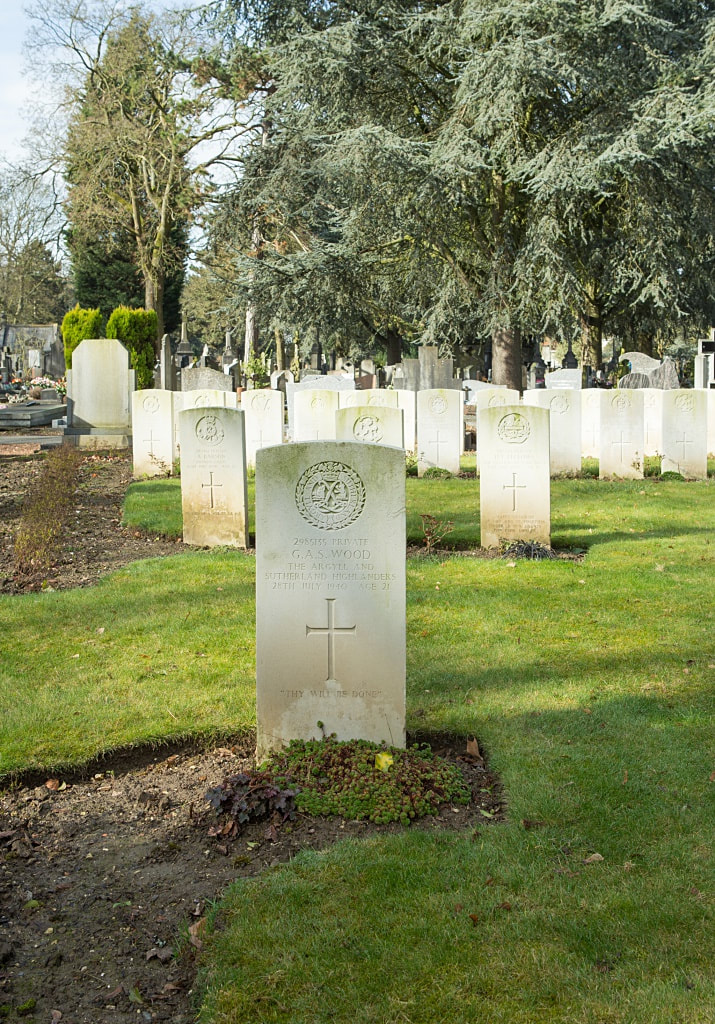
His headstone bears the inscription: "Thy Will Be Done."
Alfred Roberts
1st Bn. Royal Guernsey Light Infantry
31st May 1918, aged 38.
Plot III. B. 16.
Brother of Mrs. J. A. Gallienne, of Les Sages St. Peters-in-the-Wood, Guernsey.
His headstone bears the inscription: "Thy Will Be Done."
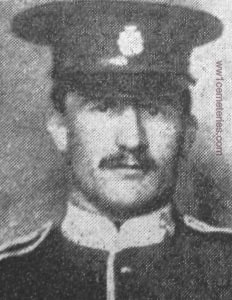
8546 Privater
John Rostron
2nd Bn. Border Regiment
29th October 1914, aged 29.
Plot III. A. 5.
Husband of Mrs E. Rostron of 55 Tentre Street, Burnley. Father of one son. He was reported missing on 26th October 1914. Prior to enlisting, he was a reservist and worked as a weaver at Messrs. Collinge's shed in Burnley Wood.
John Rostron
2nd Bn. Border Regiment
29th October 1914, aged 29.
Plot III. A. 5.
Husband of Mrs E. Rostron of 55 Tentre Street, Burnley. Father of one son. He was reported missing on 26th October 1914. Prior to enlisting, he was a reservist and worked as a weaver at Messrs. Collinge's shed in Burnley Wood.
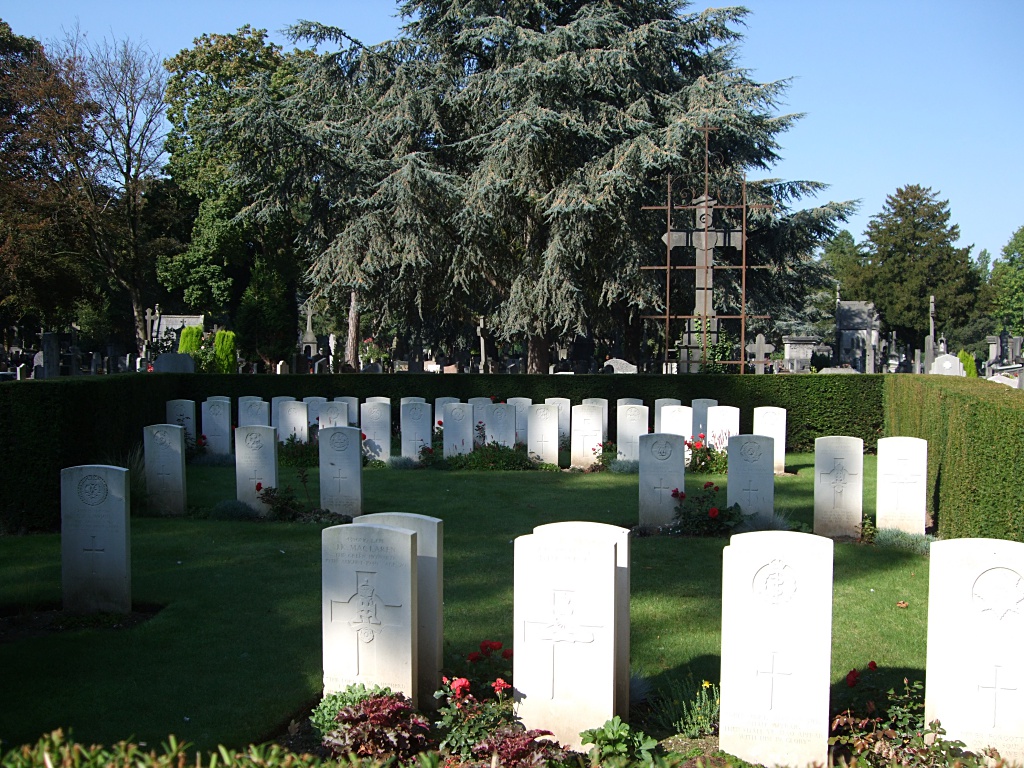


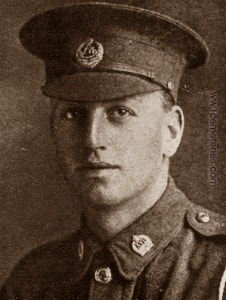
21350 Private
Clarence Victor Tarlin
2nd Bn. Auckland Regiment, N. Z. E. F.
22nd February 1917, aged 19.
Plot III. B. 38.
Son of Clara Jacobson (formerly Tarlin), of Titirangi, Auckland, New Zealand, and the late Alfred Tarlin. Born at Auckland.
Clarence Victor Tarlin
2nd Bn. Auckland Regiment, N. Z. E. F.
22nd February 1917, aged 19.
Plot III. B. 38.
Son of Clara Jacobson (formerly Tarlin), of Titirangi, Auckland, New Zealand, and the late Alfred Tarlin. Born at Auckland.
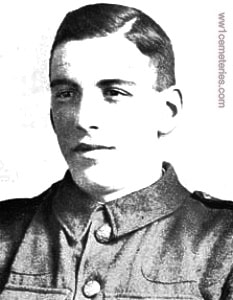
51157 Private
Douglas Leslie Alexander Telfer
2nd Bn. Royal Scots Fusiliers
28th April 1918, aged 19.
Plot III. B. 30.
Son of Alexander and Jane Telfer, of Hartree, Biggar, Lanarkshire.
Douglas Leslie Alexander Telfer
2nd Bn. Royal Scots Fusiliers
28th April 1918, aged 19.
Plot III. B. 30.
Son of Alexander and Jane Telfer, of Hartree, Biggar, Lanarkshire.
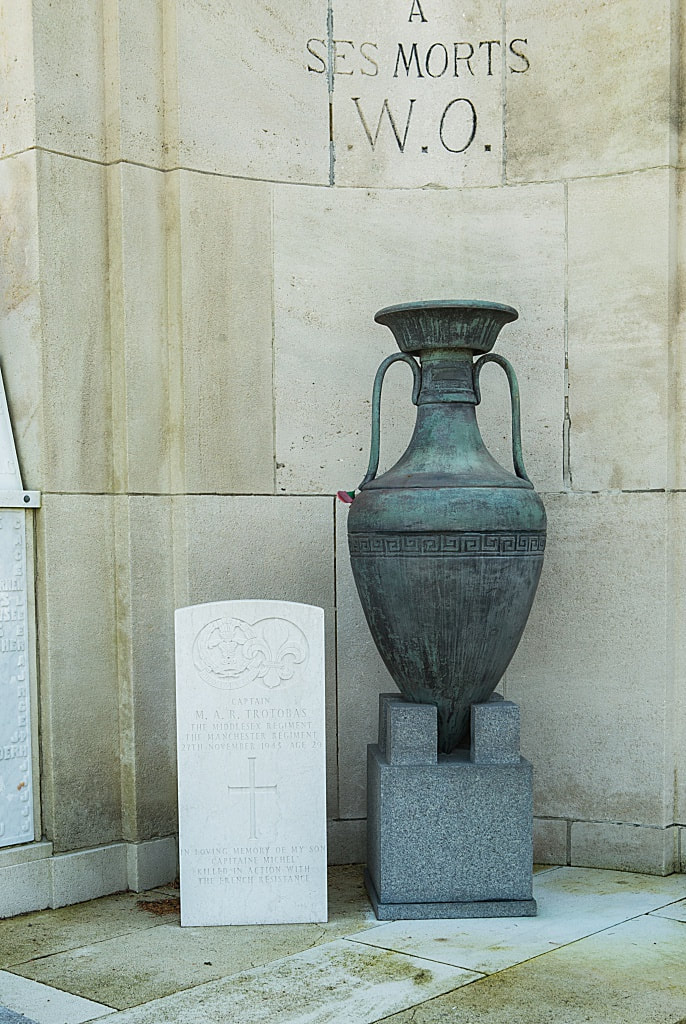
Resistance Movement Memorial
(Memorial pictures © Johan Pauwels)

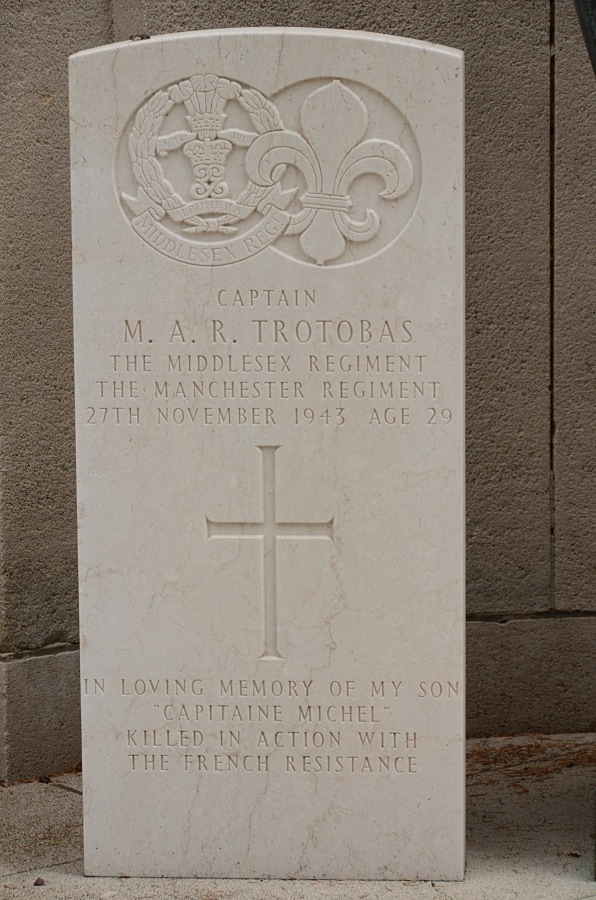
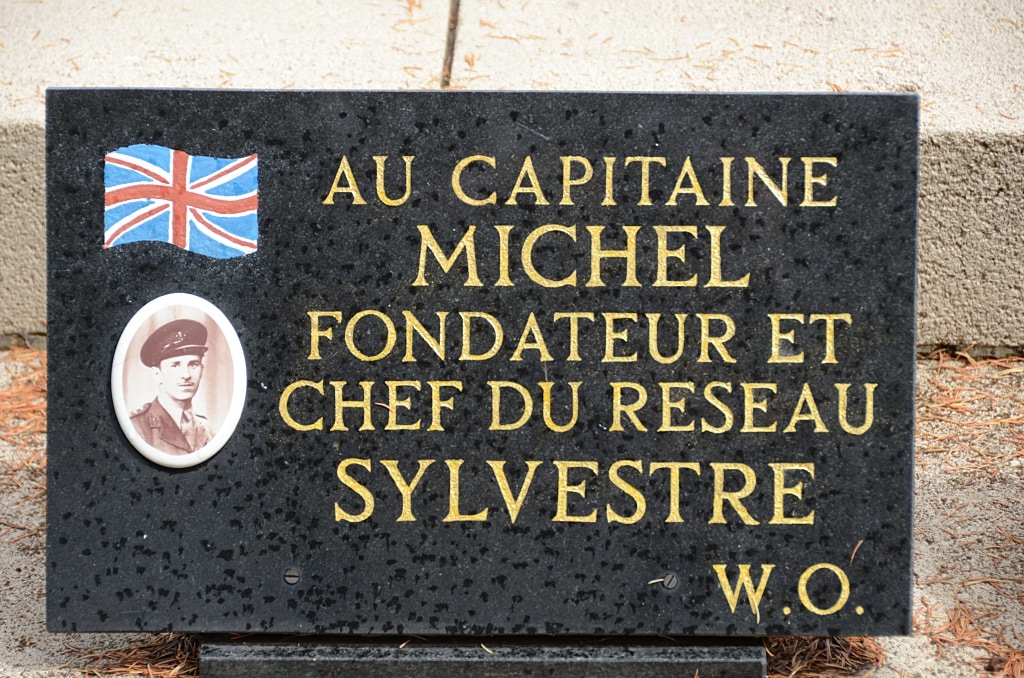
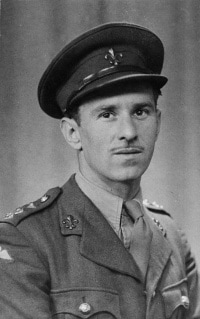
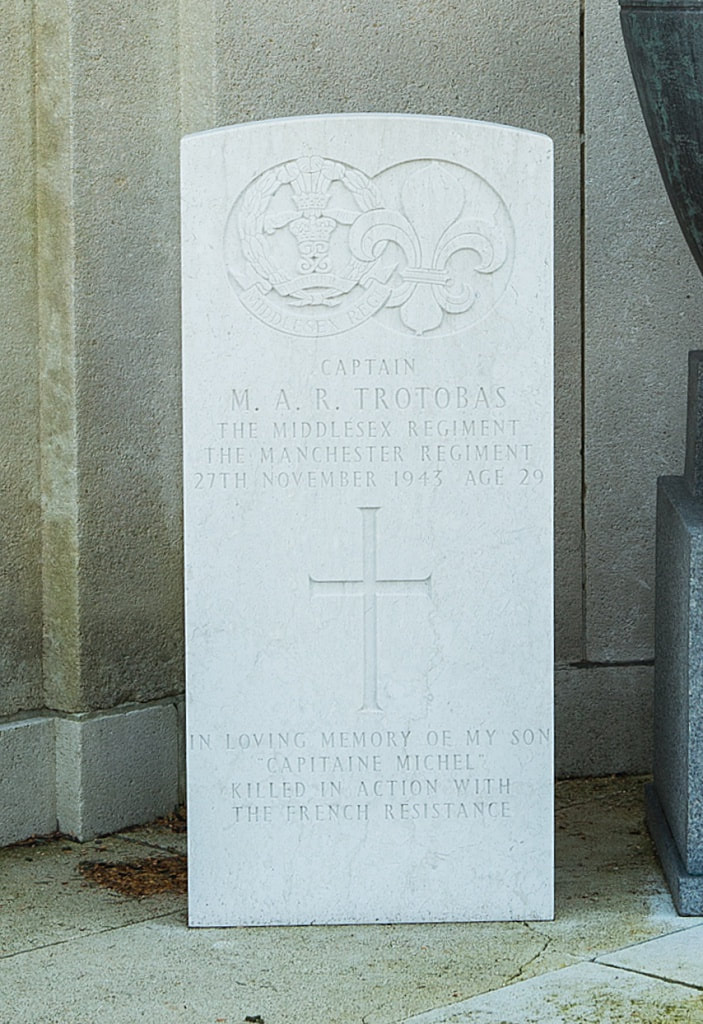
167302 Captain
Michael Alfred Raymond Trotobas, Mentioned in Despatches
Manchester Regiment, attd. (French Resistance Movement) Special Operations Executive
27th November 1943, aged 29.
Section 92A.
Son of Henri Noel and Agnes Trotobas, of Stoke Poges, Buckinghamshire. Formerly served with the Middlesex Regiment. (Buried below the Resistance Movement Memorial).
His headstone bears the inscription; "In Loving Memory Of My Son "Capitaine Michel" Killed In Action With The French Resistance."
Michael Alfred Raymond Trotobas (1914-1943) was born of British and French parents and spent part of his early life in both Northern France and England. In 1939 he became a regular soldier in the Middlesex Regiment. After Dunkirk (1940) he was recruited to the Special Operations Executive's (SOE) French Section and given a commission in the Manchester Regiment.
In 1941, under the code name 'Sylvestre', he was parachuted into the Chateauroux area. Six weeks later he and nine agents were arrested. However, in 1942 Trotobas took part in a mass escape of SOE agents from Mauzac prison. He then went on to establish and lead the Lille- based 'Farmer' circuit.
From 1943 Trotobas, or 'Capitaine Michel', successfully led a sabotage campaign against the Germans, targeting the Lens-Béthune railway, tool factories at Armentières, and naval depots and wharfs at Amiens, Boulogne and Calais. His most important operation was the destruction of the Lilles-Fives S.N.C.F Locomotive works, which was extremely important to the running of the German railway. In June 1943 the factory was destroyed.
Trotobas was killed in November 1943 whilst trying to evade arrest by a Sicherheitsdienst (SD) raiding party who had been given the address of his safe house by a captured agent, code named 'Olivier'. Trotobas was recommended for a posthumous Victoria Cross (VC), but this was rejected as there was no one senior to him present to report on his actions. (Text © www.nam.ac.uk)
Michael Alfred Raymond Trotobas, Mentioned in Despatches
Manchester Regiment, attd. (French Resistance Movement) Special Operations Executive
27th November 1943, aged 29.
Section 92A.
Son of Henri Noel and Agnes Trotobas, of Stoke Poges, Buckinghamshire. Formerly served with the Middlesex Regiment. (Buried below the Resistance Movement Memorial).
His headstone bears the inscription; "In Loving Memory Of My Son "Capitaine Michel" Killed In Action With The French Resistance."
Michael Alfred Raymond Trotobas (1914-1943) was born of British and French parents and spent part of his early life in both Northern France and England. In 1939 he became a regular soldier in the Middlesex Regiment. After Dunkirk (1940) he was recruited to the Special Operations Executive's (SOE) French Section and given a commission in the Manchester Regiment.
In 1941, under the code name 'Sylvestre', he was parachuted into the Chateauroux area. Six weeks later he and nine agents were arrested. However, in 1942 Trotobas took part in a mass escape of SOE agents from Mauzac prison. He then went on to establish and lead the Lille- based 'Farmer' circuit.
From 1943 Trotobas, or 'Capitaine Michel', successfully led a sabotage campaign against the Germans, targeting the Lens-Béthune railway, tool factories at Armentières, and naval depots and wharfs at Amiens, Boulogne and Calais. His most important operation was the destruction of the Lilles-Fives S.N.C.F Locomotive works, which was extremely important to the running of the German railway. In June 1943 the factory was destroyed.
Trotobas was killed in November 1943 whilst trying to evade arrest by a Sicherheitsdienst (SD) raiding party who had been given the address of his safe house by a captured agent, code named 'Olivier'. Trotobas was recommended for a posthumous Victoria Cross (VC), but this was rejected as there was no one senior to him present to report on his actions. (Text © www.nam.ac.uk)
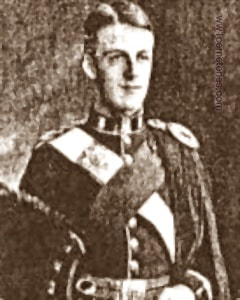
Captain
Alastair St. John Munro Warrand
4th Sqdn. Royal Flying Corps and 1st Bn. Black Watch (Royal Highlanders)
19th March 1915, aged 26.
Plot III. A. 29.
Son of Mrs. Margaret W. Warrand, of Lentran, Bridge-of-Allan, Stirlingshire.
Alastair St. John Munro Warrand
4th Sqdn. Royal Flying Corps and 1st Bn. Black Watch (Royal Highlanders)
19th March 1915, aged 26.
Plot III. A. 29.
Son of Mrs. Margaret W. Warrand, of Lentran, Bridge-of-Allan, Stirlingshire.
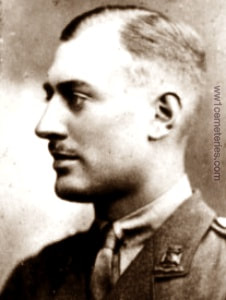
17560 Major
Oliver George Woodhouse
Queen's Own Royal West Kent Regiment
29th May 1940, aged 39.
Plot 5. C. 22.
Son of George Edward Woodhouse and of Susan Henrietta Sealy Woodhouse (nee Fisher); husband of Eileen Mar; Joyce Woodhouse.
His headstone bears the inscription; "Greater Love Hath No Man Than This, That A Man Lay Down His Life For His Friends."
Oliver George Woodhouse
Queen's Own Royal West Kent Regiment
29th May 1940, aged 39.
Plot 5. C. 22.
Son of George Edward Woodhouse and of Susan Henrietta Sealy Woodhouse (nee Fisher); husband of Eileen Mar; Joyce Woodhouse.
His headstone bears the inscription; "Greater Love Hath No Man Than This, That A Man Lay Down His Life For His Friends."
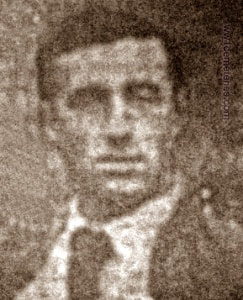
1087 Private
Herbert Woollin
"A" Coy. 12th Bn. King's Own Yorkshire Light Infantry
24th April 1918, aged 26.
Plot III. C. 14.
Son of Hall Woollin, of 24, School St., Gawthorpe, Ossett Yorks.
His headstone bears the inscription; "Thy Will Be Done."
Herbert Woollin
"A" Coy. 12th Bn. King's Own Yorkshire Light Infantry
24th April 1918, aged 26.
Plot III. C. 14.
Son of Hall Woollin, of 24, School St., Gawthorpe, Ossett Yorks.
His headstone bears the inscription; "Thy Will Be Done."
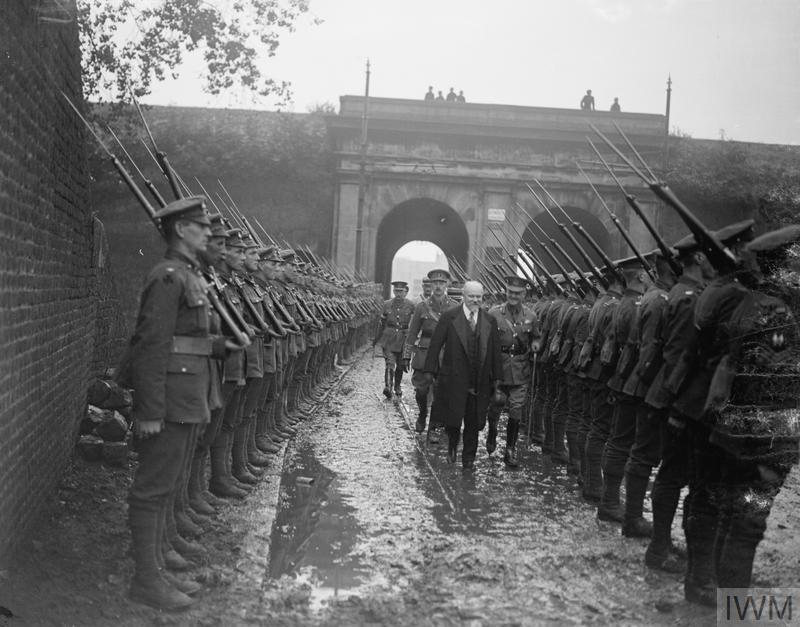
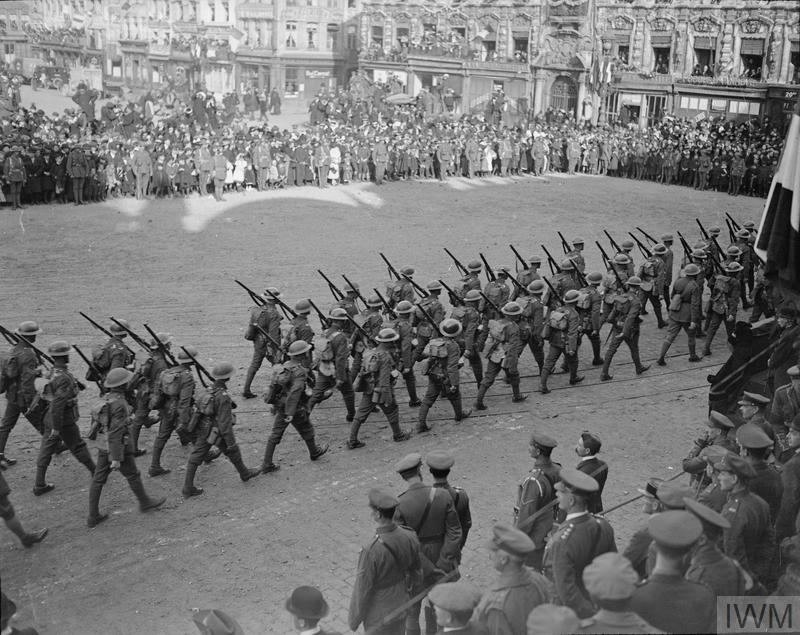
French President Raymond Poincare with General William Birdwood inspecting the British Guard of Honour on his arrival at one of the gates of the city of Lille, 21 October 1918. © IWM (Q 9592)
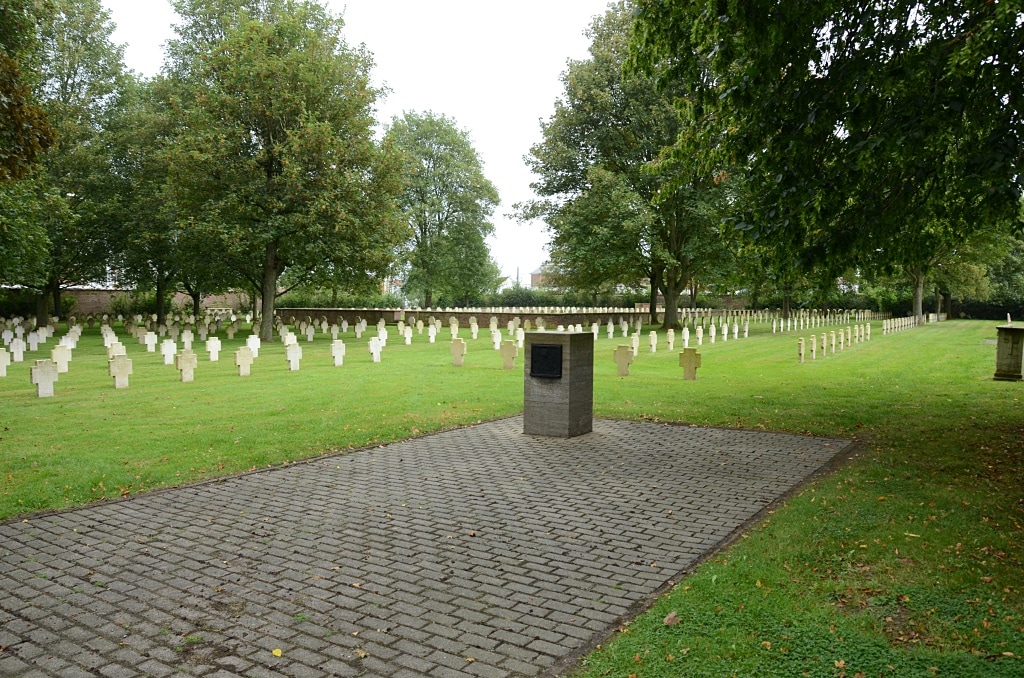
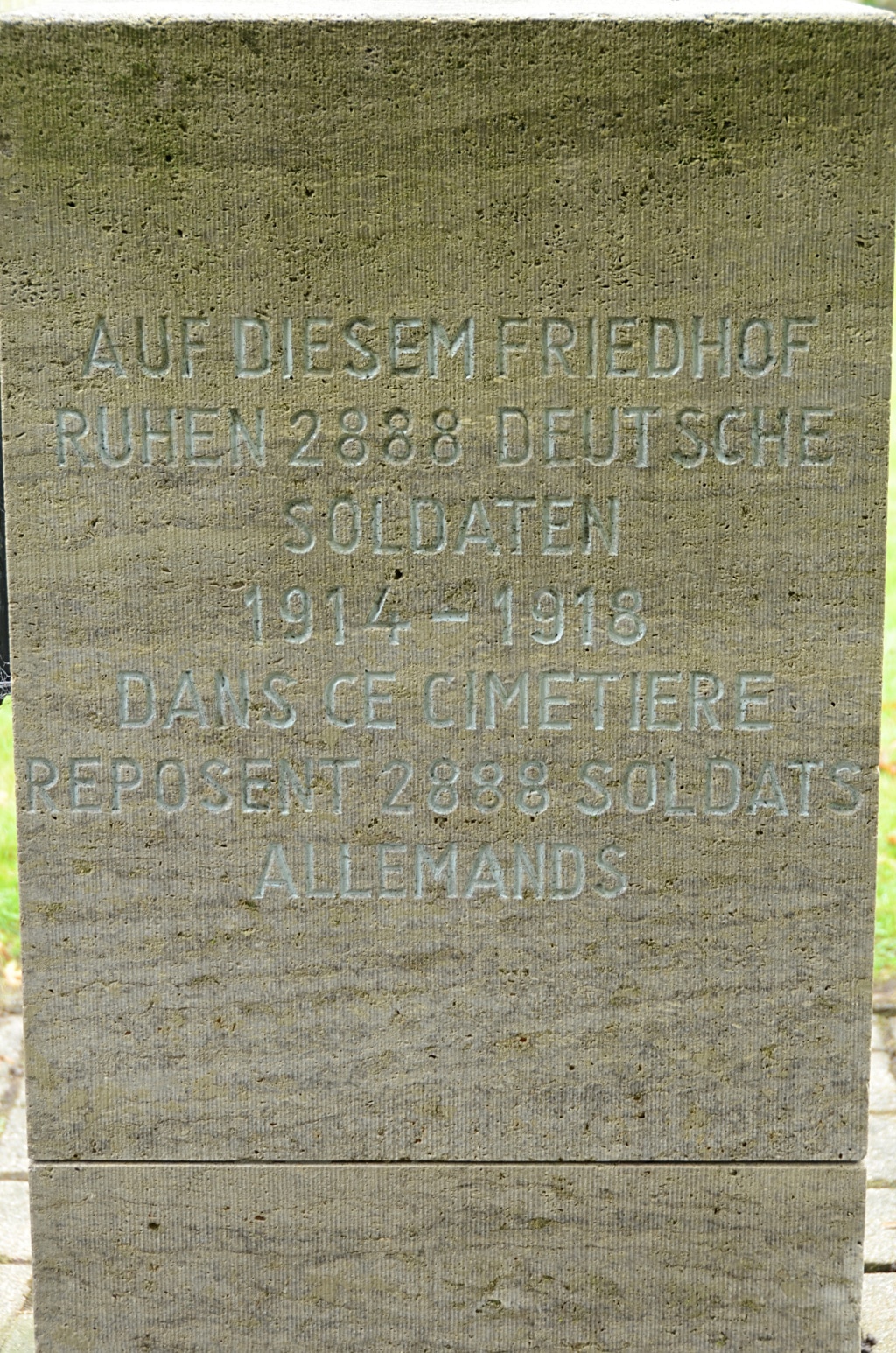
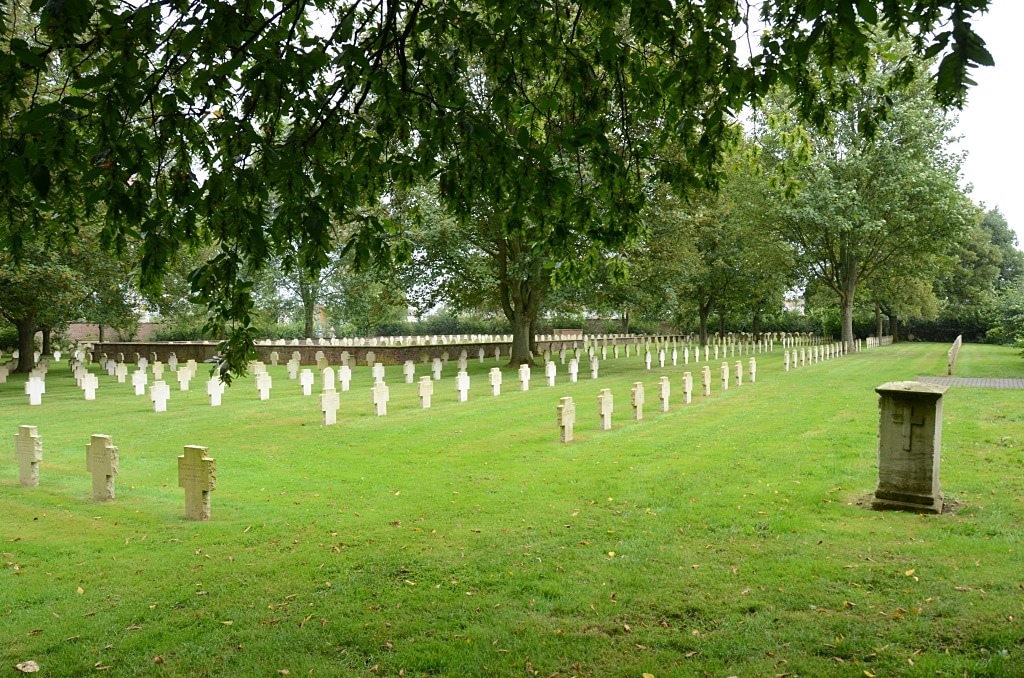
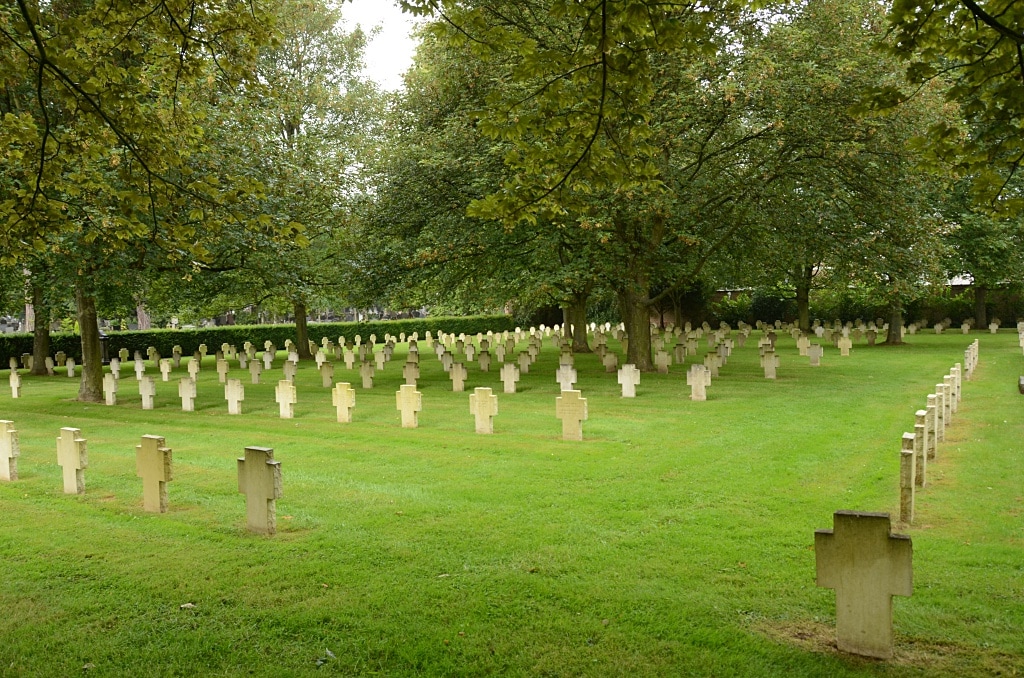
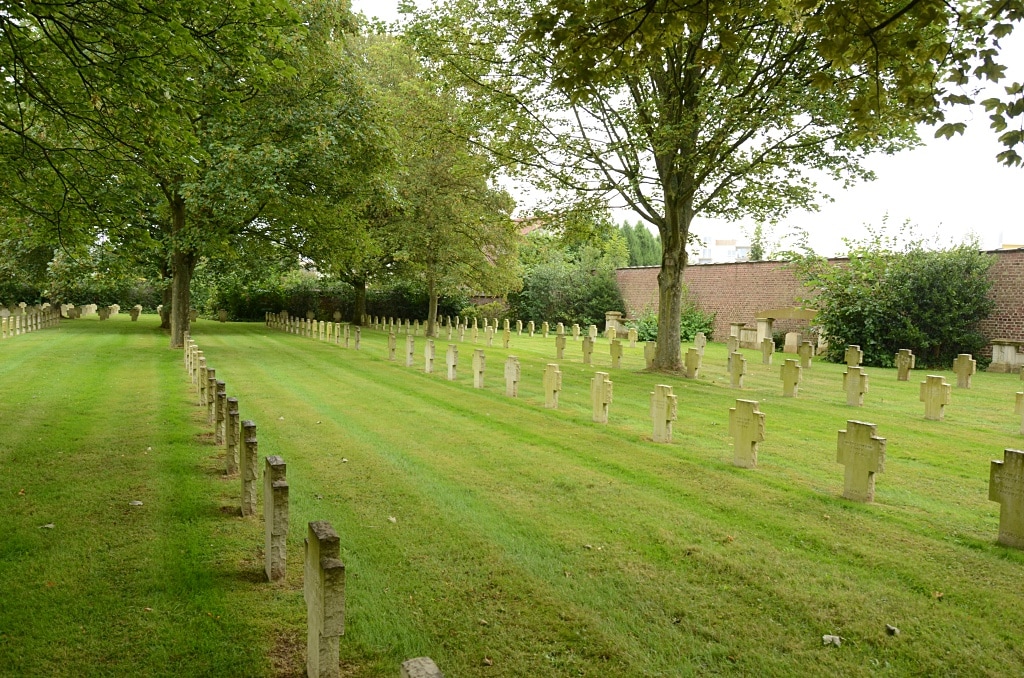
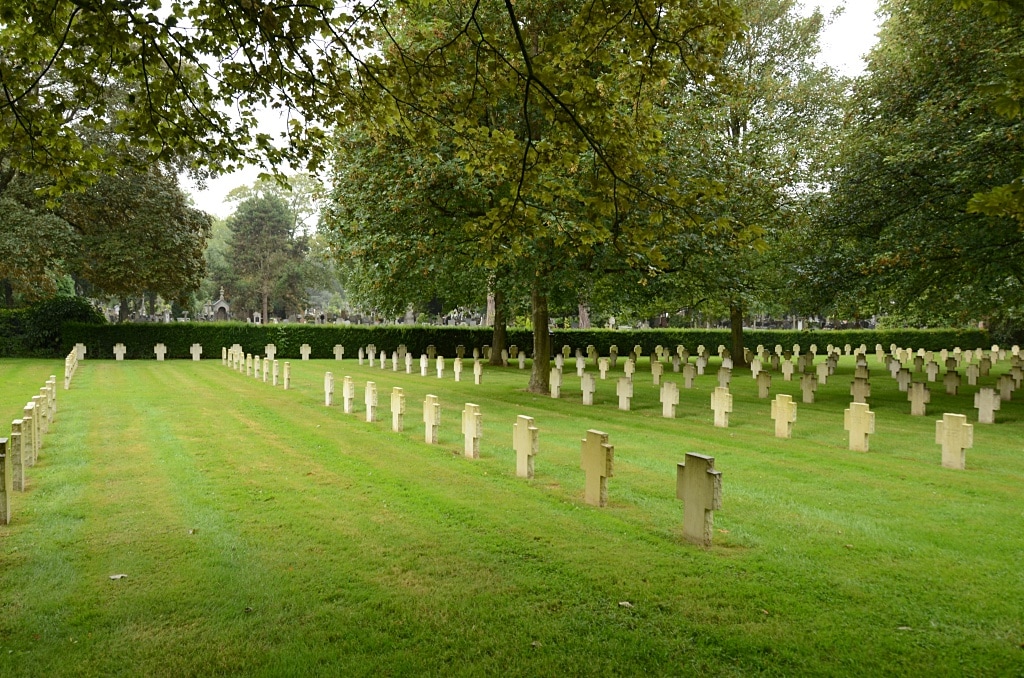
Lille Sud German Military Cemetery
(Pictures © Johan Pauwels)



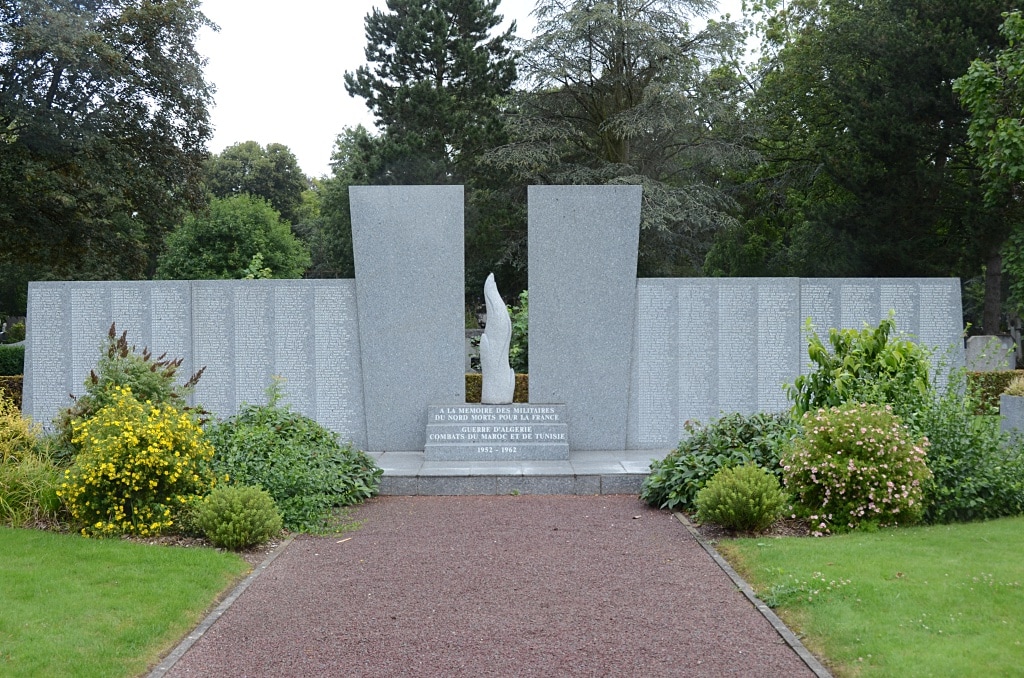
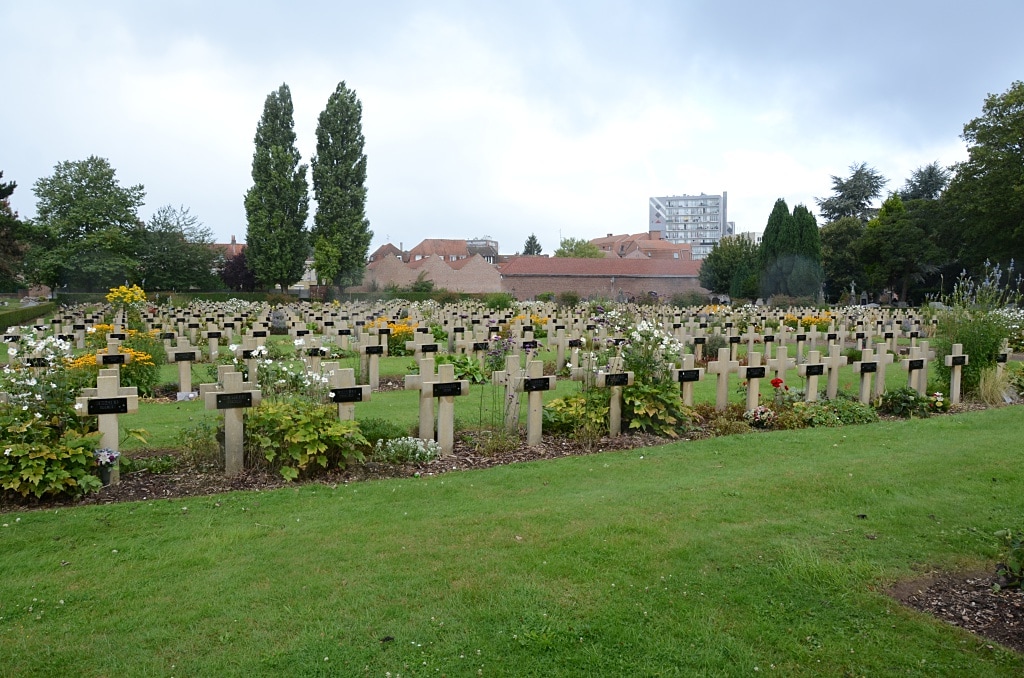
Lille Sud French Military Cemetery
(Pictures © Johan Pauwels)

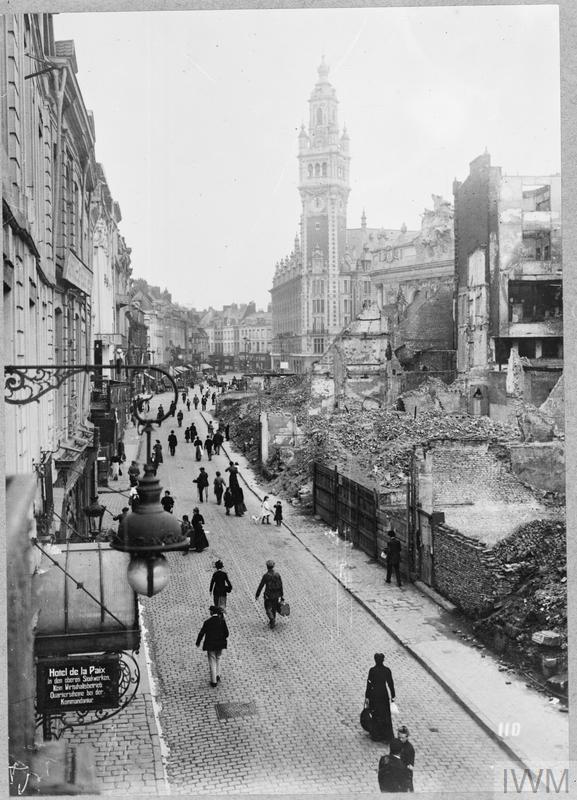
Rue de Paris in Lille, showing destroyed buildings on the right and the Stock Exchange in the distance. Note German notice outside the Hotel de la Paix. This street was one of those damaged by the bombardment of October 1914. © IWM (Q 55208)