
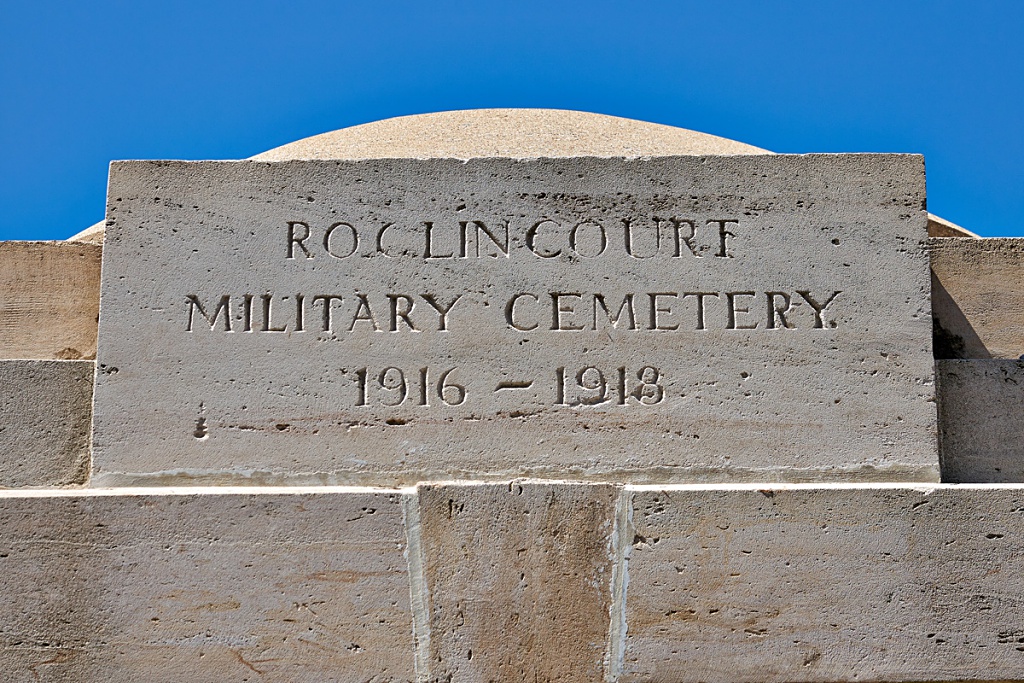
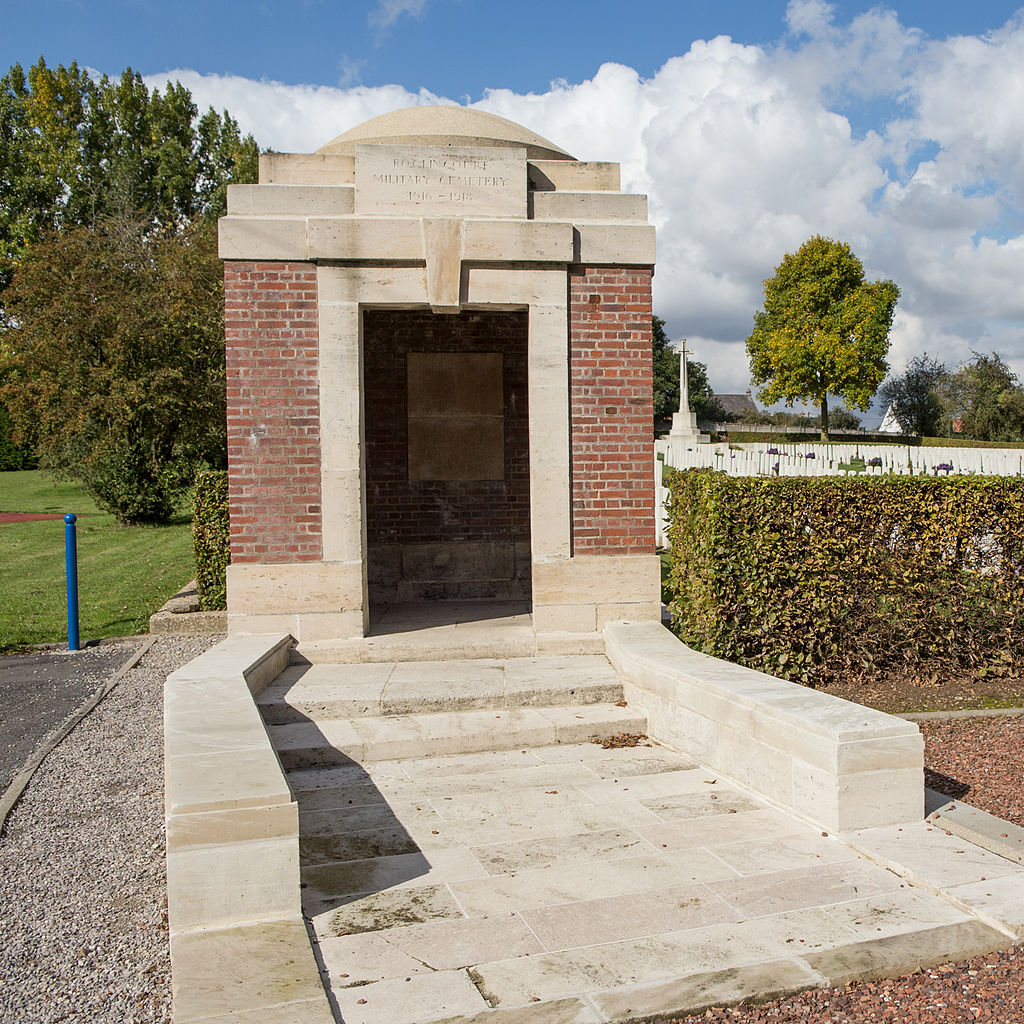
ROCLINCOURT MILITARY CEMETERY
Pas De Calais
France
GPS Coordinates - Latitude: 50.32469, Longitude: 2.78525
Location Information
Roclincourt is a village a little to the east of the road from Arras to Lens. Take the N17 from Arras until the junction of this road and the D60 (first CWGC sign here). Travel along the D60 into Roclincourt village, for approximately one kilometre, to a right turn (direction St Nicholas). Take this road for approximately 175 metres to a lane on the right. Roclincourt Military cemetery lies 100 metres away at the foot of this lane.
Historical Information
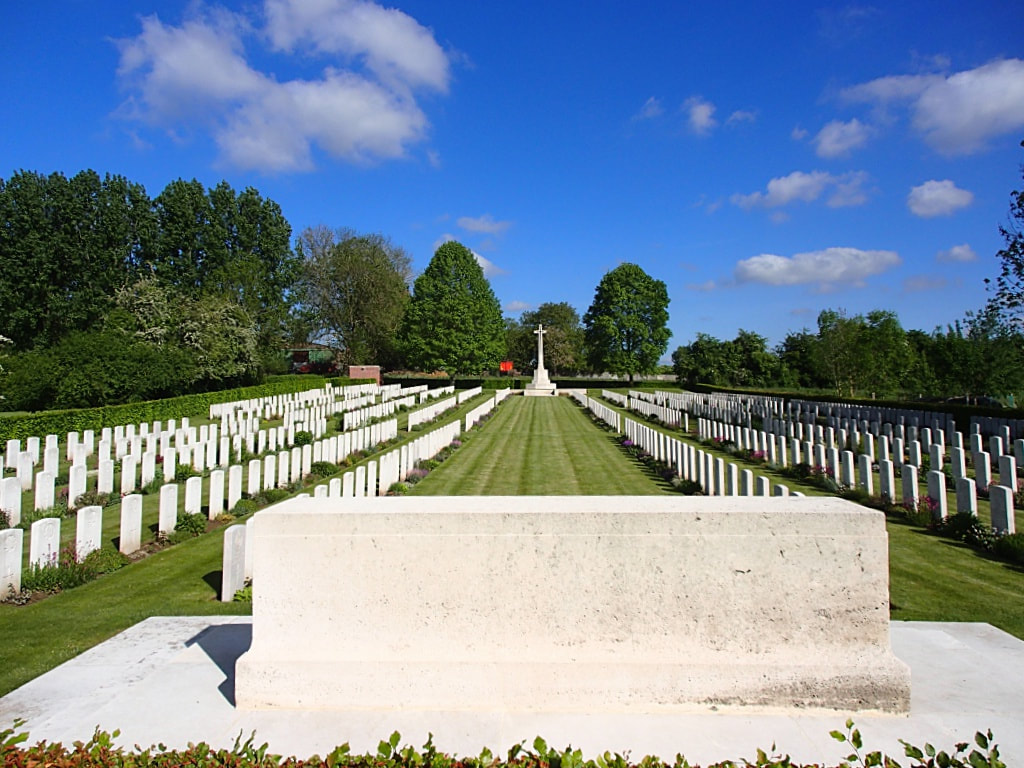
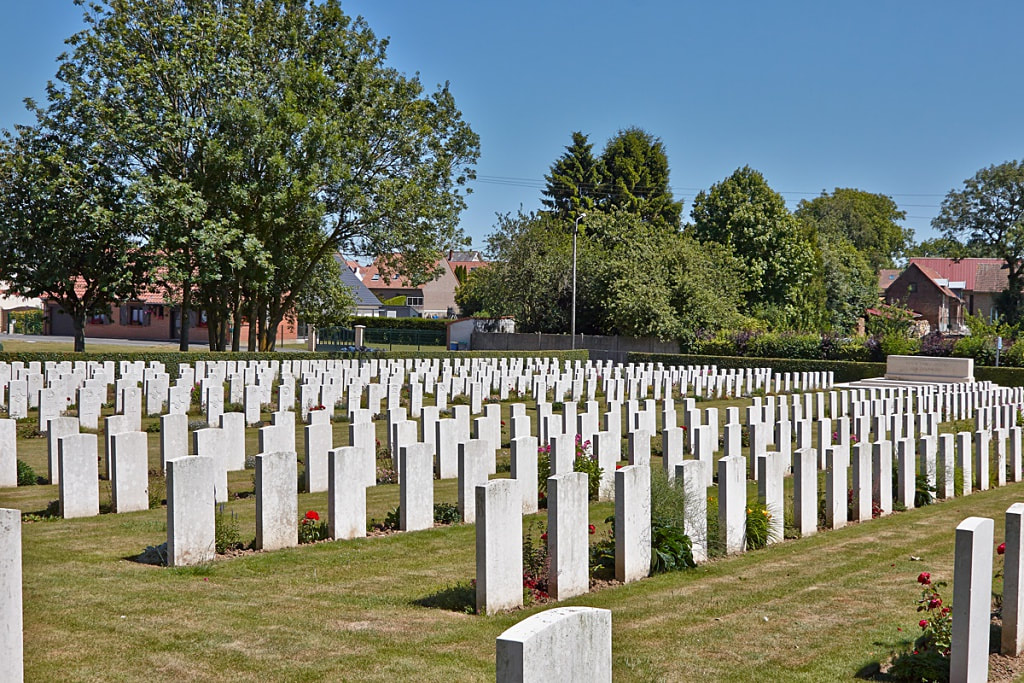
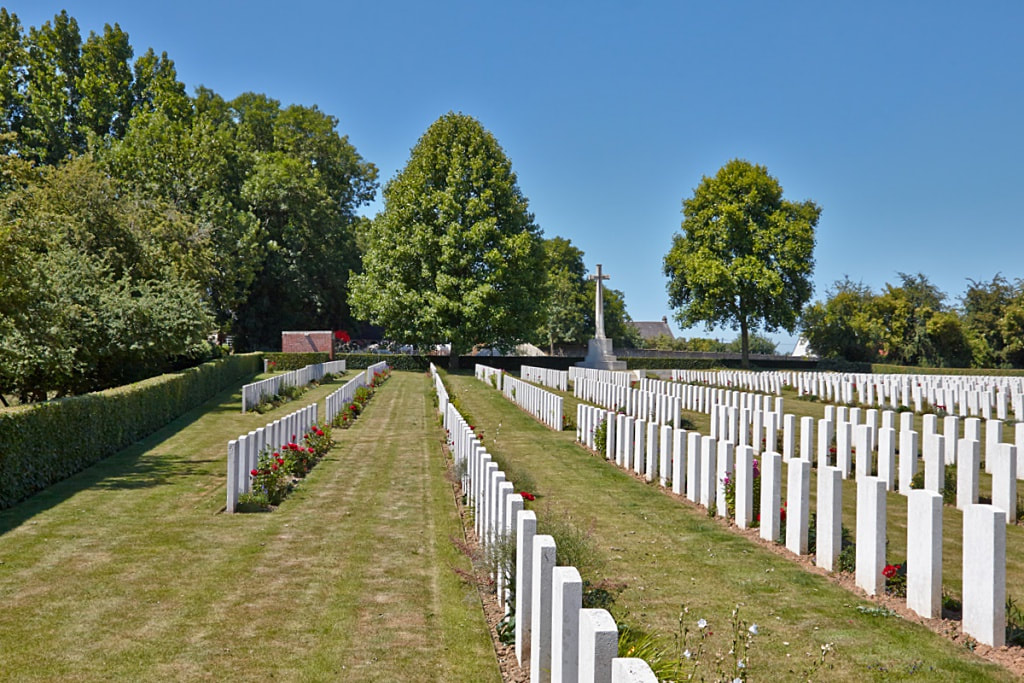
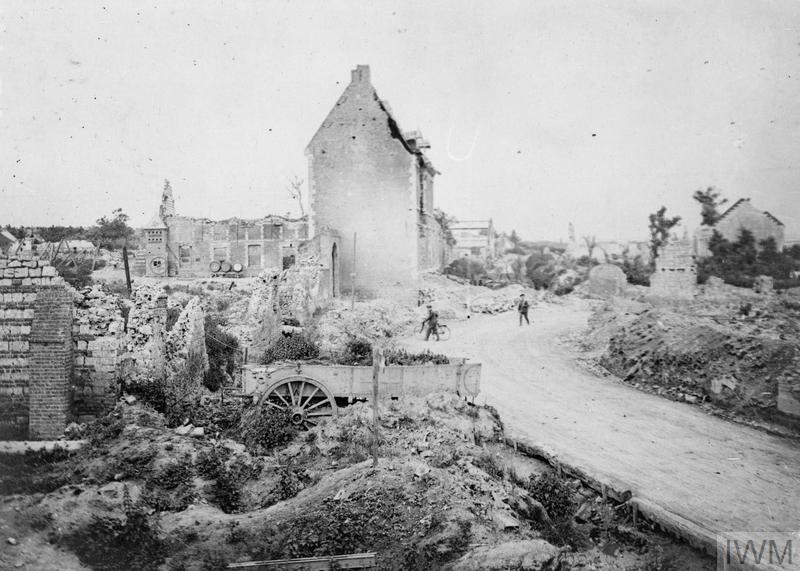
The French troops who held this front before March 1916 made a military cemetery (now removed), on the south-west side of which the present Commonwealth cemetery was made. It was begun by the 51st (Highland) and 34th Divisions in April 1917, and contains many graves of 9 April, the first day of the Battles of Arras. It continued in use, as a front-line cemetery, until October 1918 and after the Armistice graves, mostly from the battlefield north of Roclincourt, were brought into Plot IV, Row F.
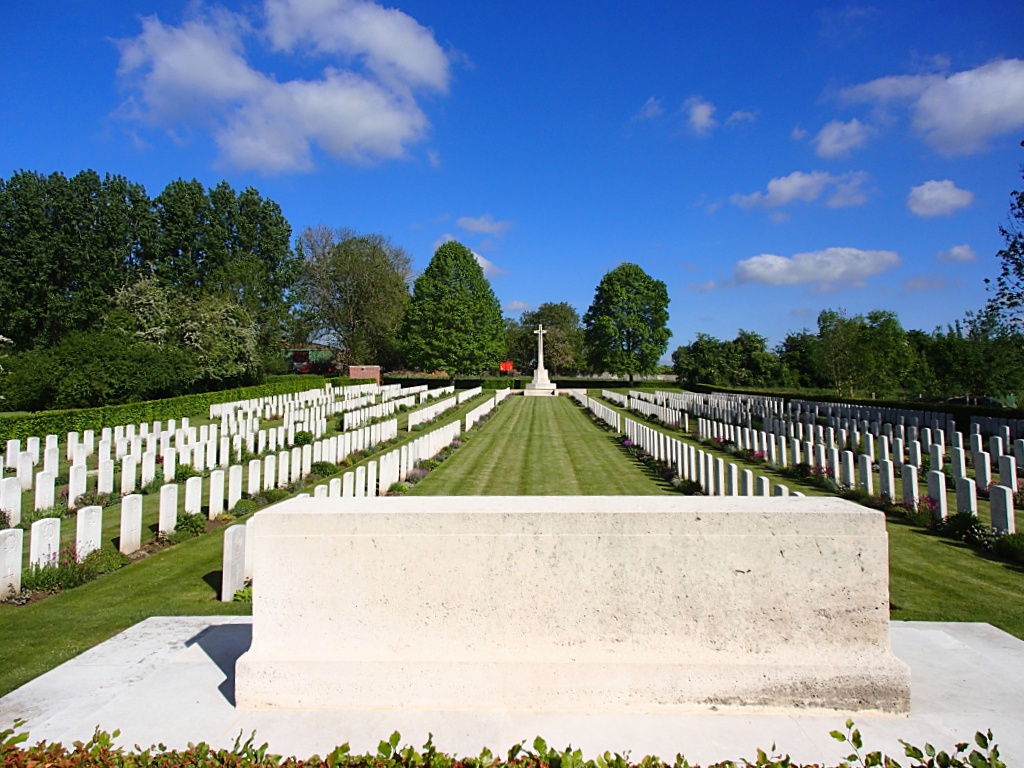
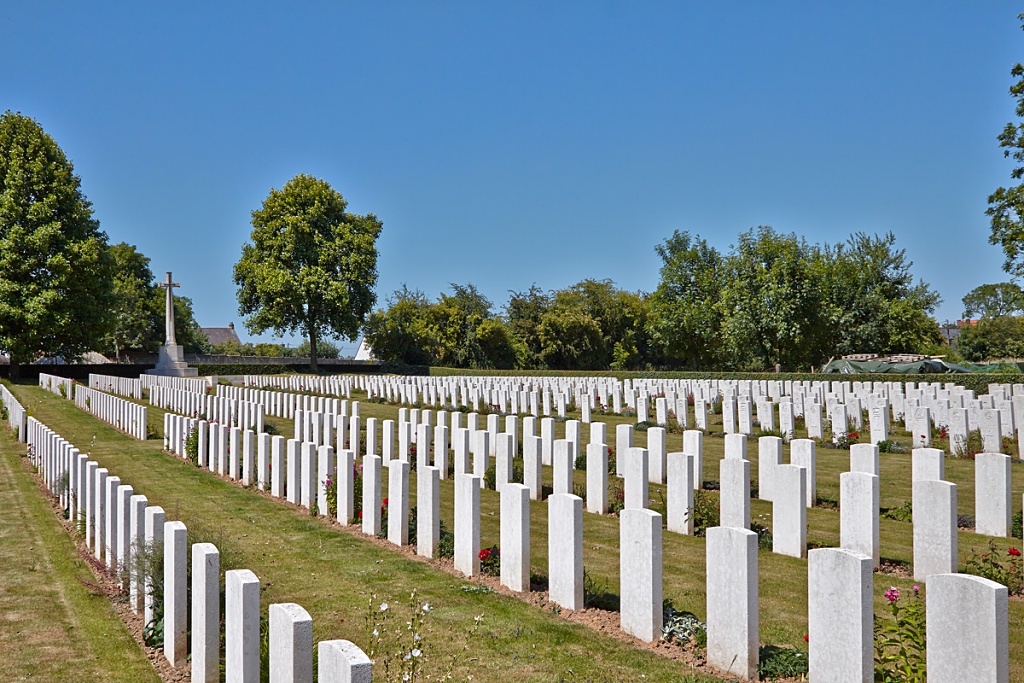
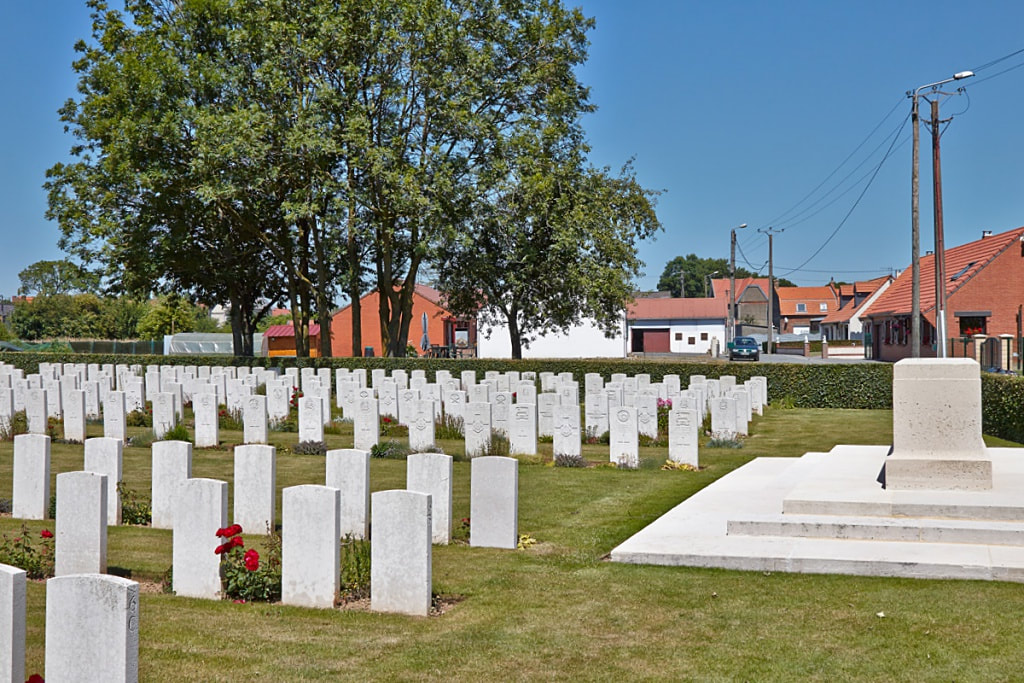
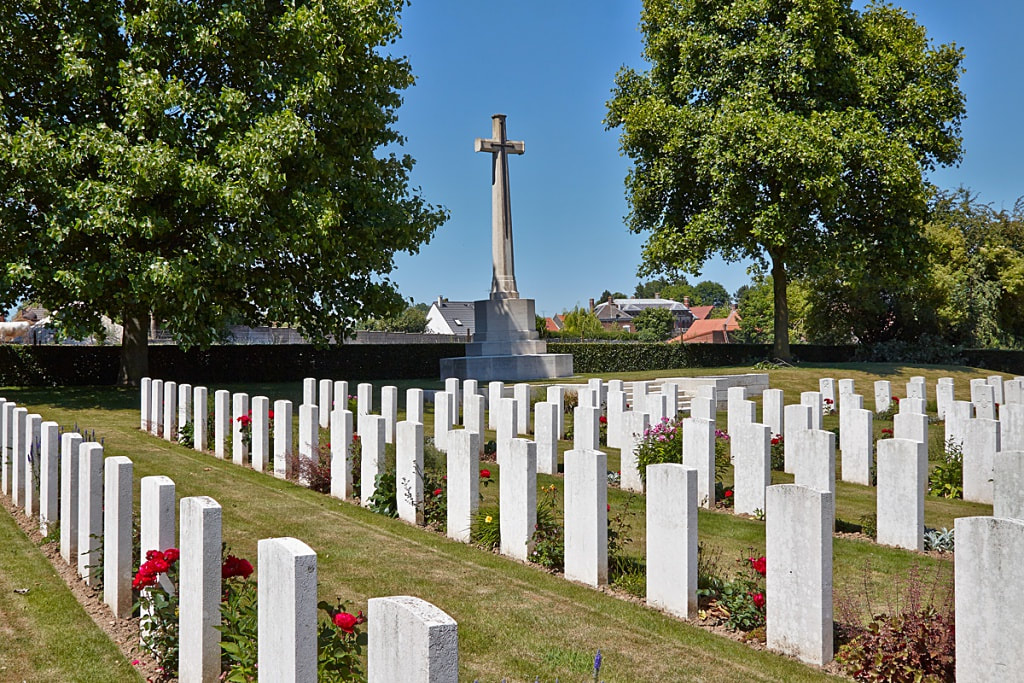
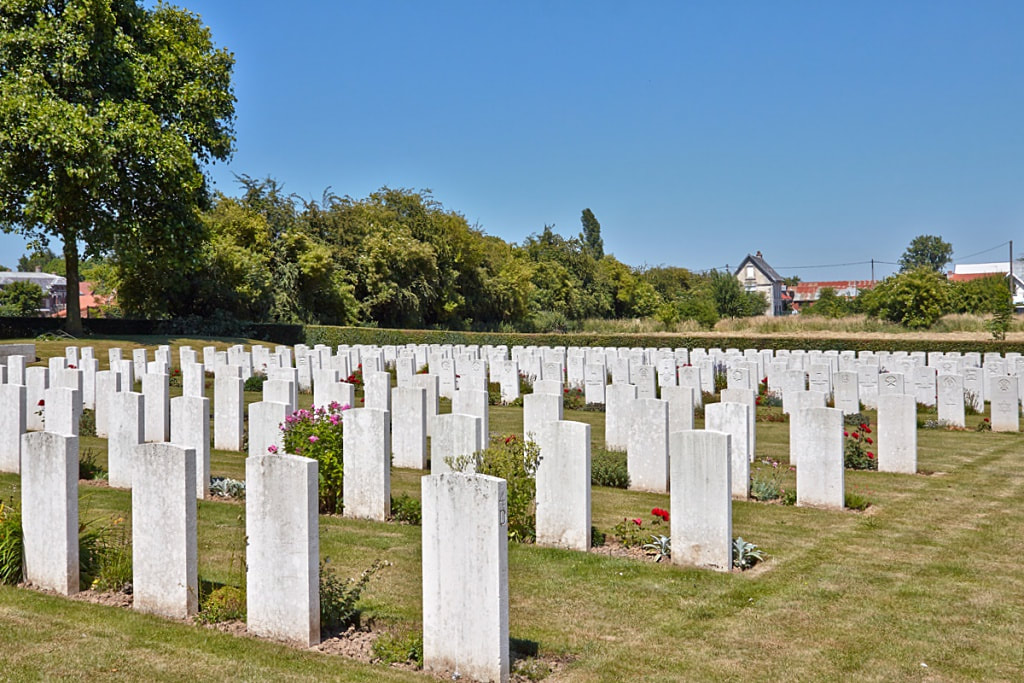
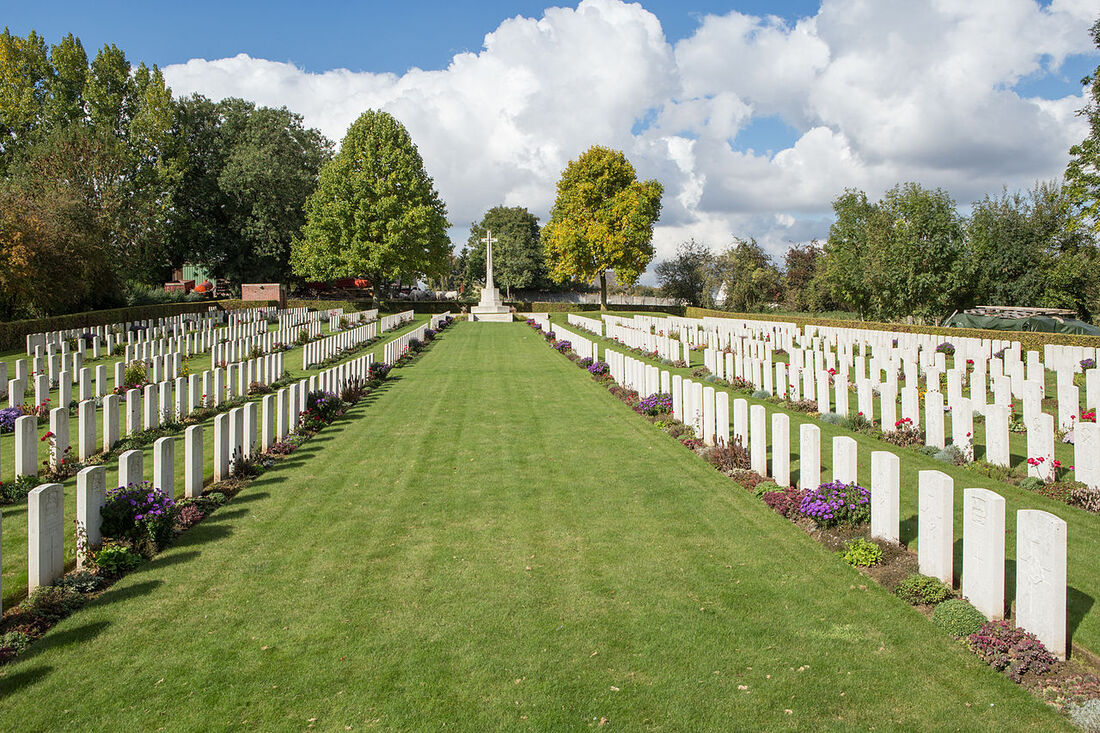
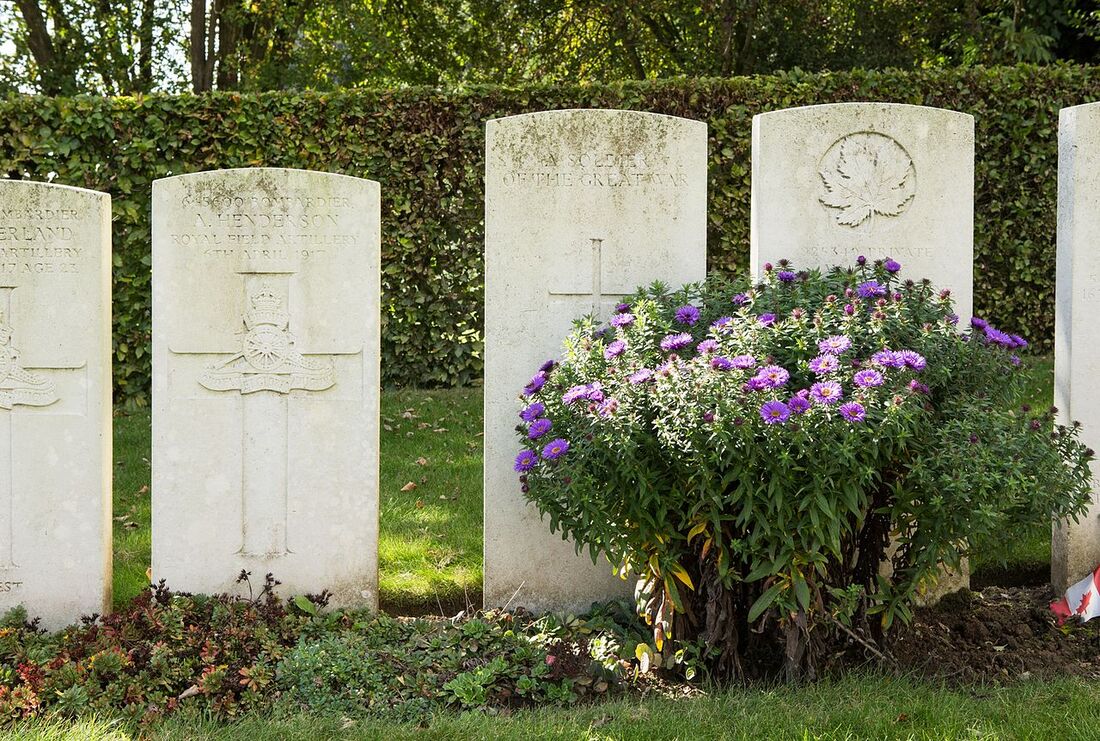
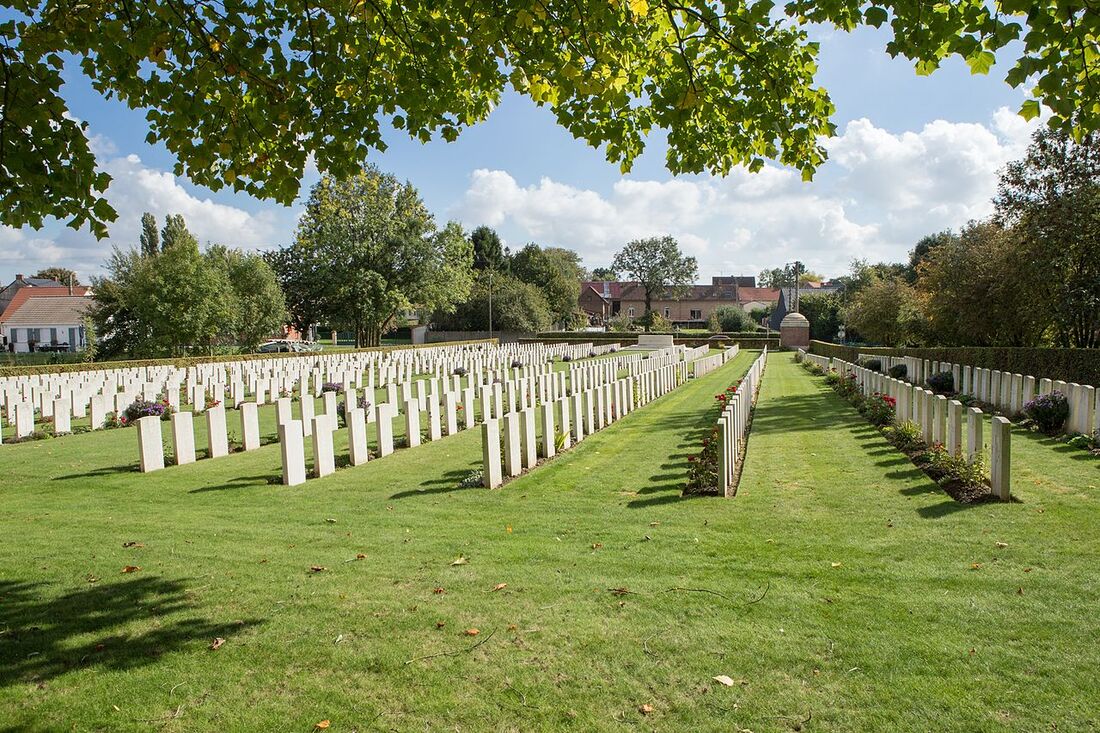
Roclincourt Military Cemetery contains 916 Commonwealth burials of the First World War, 32 of them unidentified. There are also four German war graves.
Casualty Details: UK 783, Canada 133, Germany 4, Total Burials: 920.
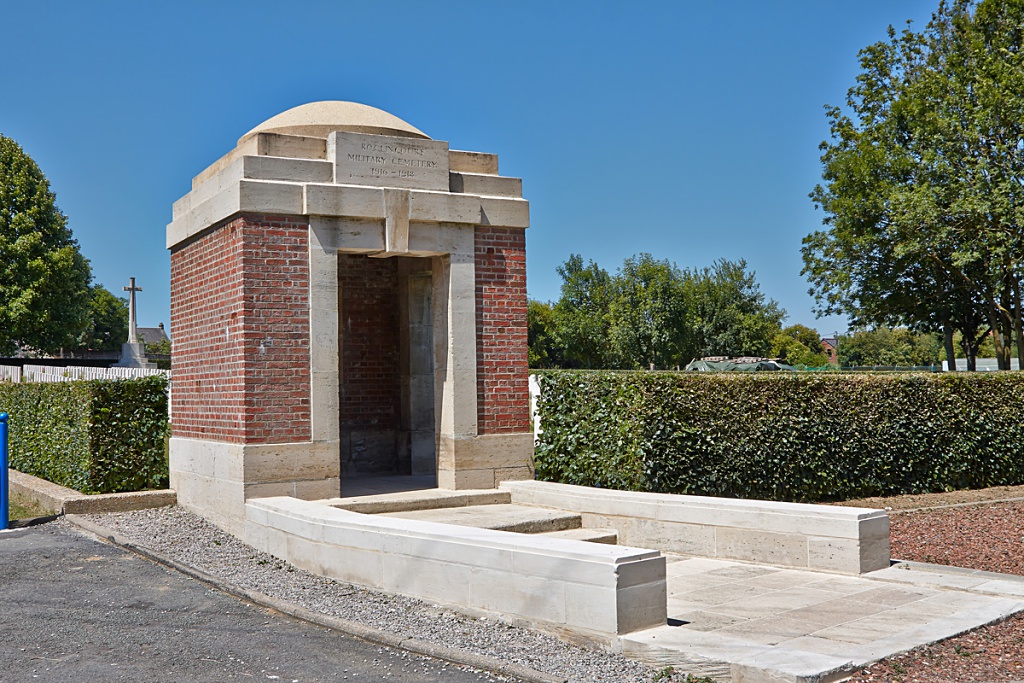
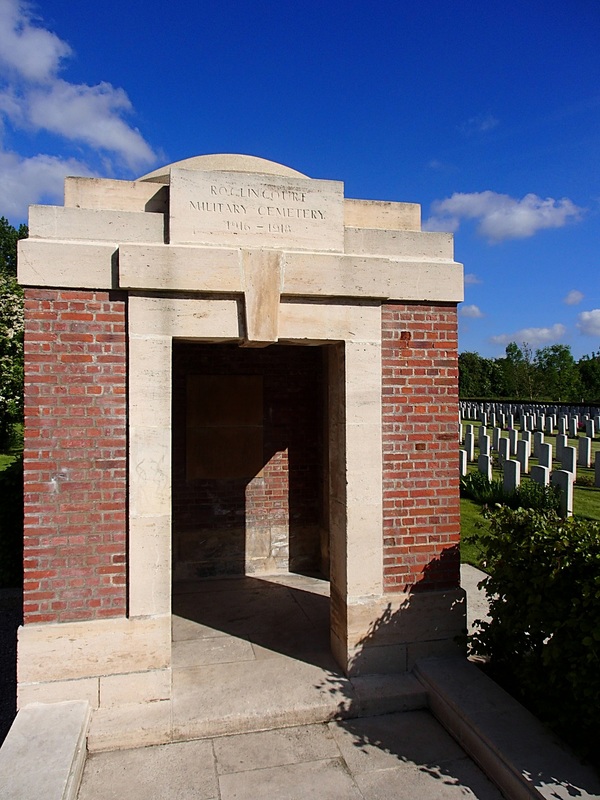
The cemetery was designed by Sir Reginald Blomfield.
Originally, the cemetery contained a wooden memorial erected by the 22nd Royal Fusiliers to one officer and 27 N.C.O.'s and men who fell in action at Oppy in April and May 1917.
Dedications
253073 Private Maurice Edward Alexander Morgan, 3rd Bn. London Regiment (Royal Fusiliers), 16th December 1917.
Remembered by nephew Maurice and Valerie Morgan
Roclincourt is a village a little to the east of the road from Arras to Lens. Take the N17 from Arras until the junction of this road and the D60 (first CWGC sign here). Travel along the D60 into Roclincourt village, for approximately one kilometre, to a right turn (direction St Nicholas). Take this road for approximately 175 metres to a lane on the right. Roclincourt Military cemetery lies 100 metres away at the foot of this lane.
Historical Information
The French troops who held this front before March 1916 made a military cemetery (now removed), on the south-west side of which the present Commonwealth cemetery was made. It was begun by the 51st (Highland) and 34th Divisions in April 1917, and contains many graves of 9 April, the first day of the Battles of Arras. It continued in use, as a front-line cemetery, until October 1918 and after the Armistice graves, mostly from the battlefield north of Roclincourt, were brought into Plot IV, Row F.
Roclincourt Military Cemetery contains 916 Commonwealth burials of the First World War, 32 of them unidentified. There are also four German war graves.
Casualty Details: UK 783, Canada 133, Germany 4, Total Burials: 920.
The cemetery was designed by Sir Reginald Blomfield.
Originally, the cemetery contained a wooden memorial erected by the 22nd Royal Fusiliers to one officer and 27 N.C.O.'s and men who fell in action at Oppy in April and May 1917.
Dedications
253073 Private Maurice Edward Alexander Morgan, 3rd Bn. London Regiment (Royal Fusiliers), 16th December 1917.
Remembered by nephew Maurice and Valerie Morgan


Shot at Dawn
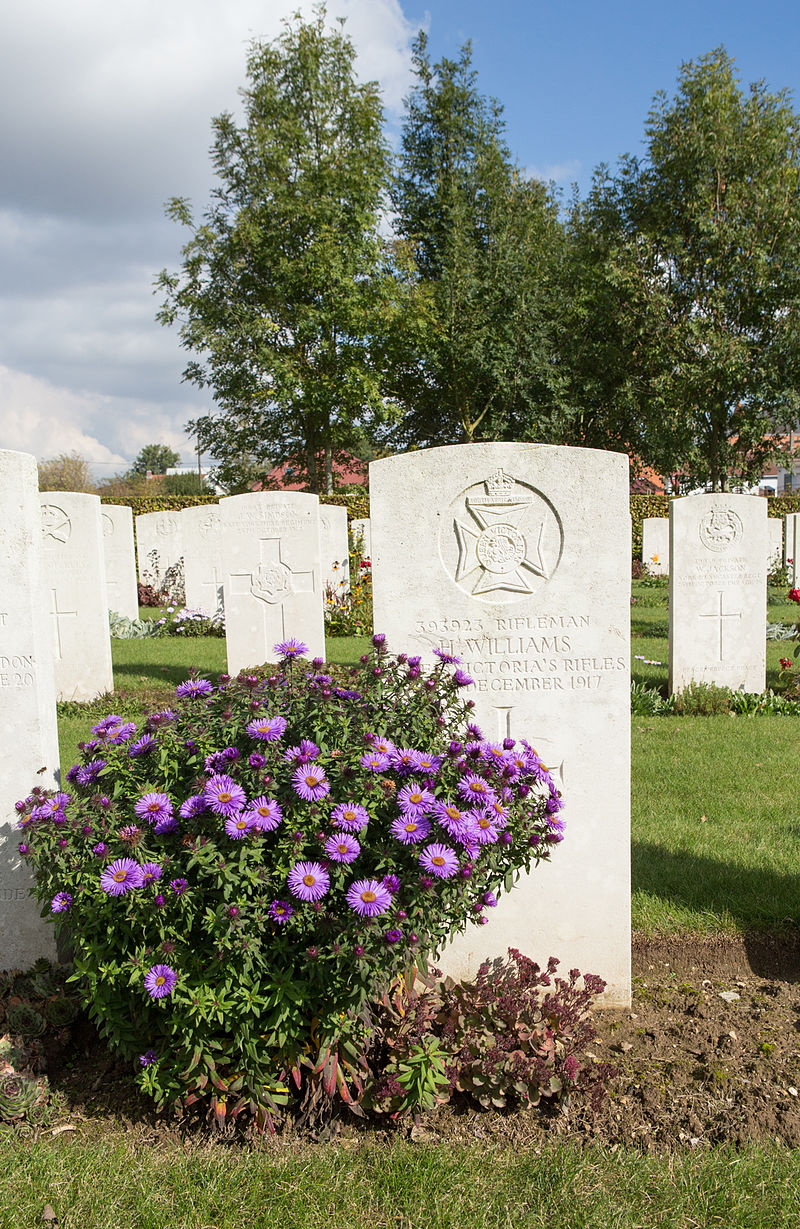
393923 Rifleman, Harry Williams, 1/9th Bn. Royal Fusiliers (Queen Victoria's Rifles), executed for desertion, 28th December 1917. Plot II. F. 4. Son of Mrs. Isabella Hitchcock, of 122, Colville Road, Acton, London. A volunteer who had enlisted in 1915, he was already subject to a suspended sentence of 15 years’ imprisonment when in November 1917 he fell out from his company & refused orders — when a German attack was in progress. Sick with fear, he would not move: cowardice might have been a more appropriate charge. (Putkowski,pp 224-225)
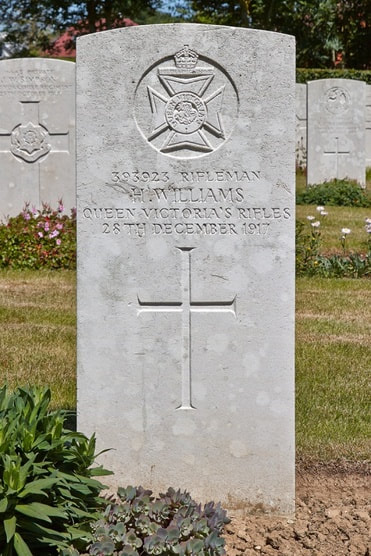
Picture © Geerhard Joos
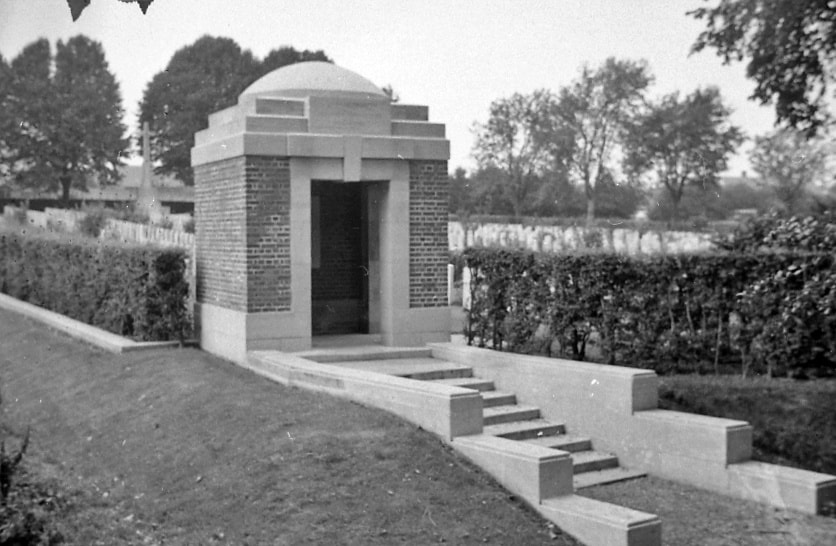
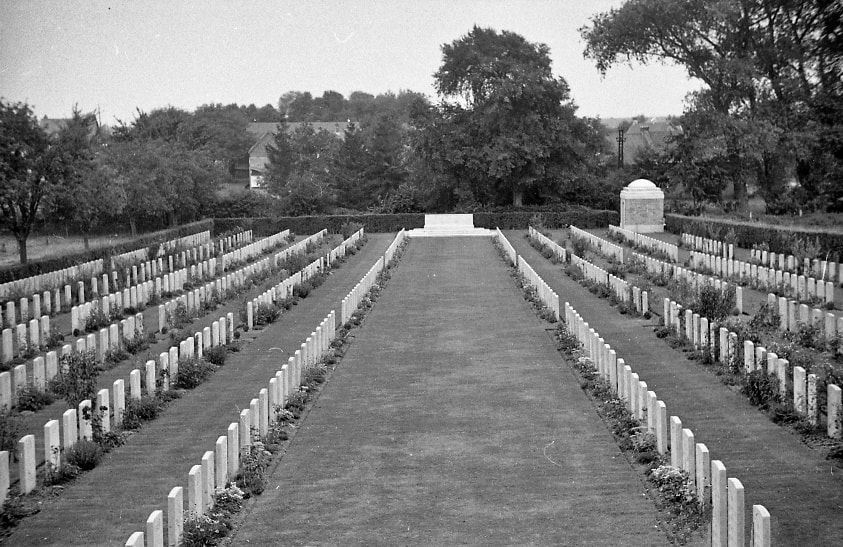
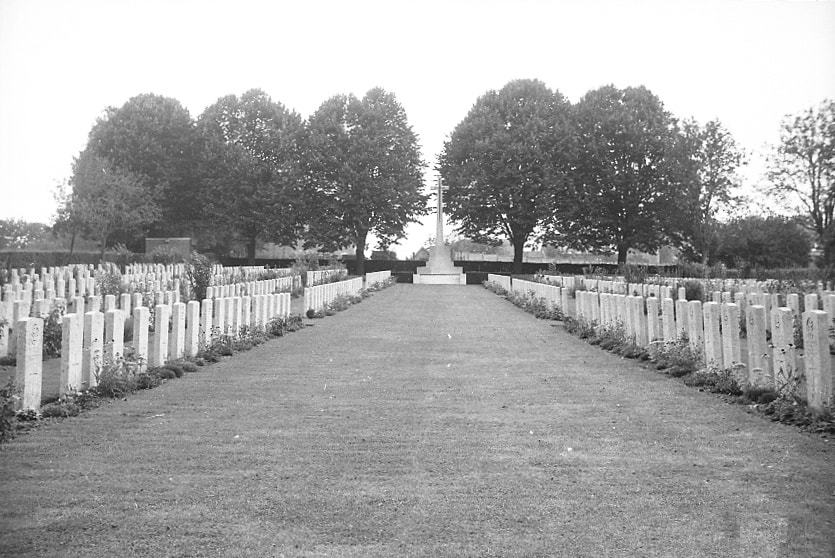
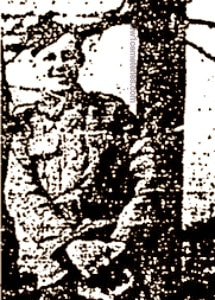
The 4 images below were taken in September 1967 - ©CWGC

241424 Private
Harold Bancroft
1st/5th Bn. Cheshire Regiment
28th March 1918, aged 26.
Plot V. B. 8.
Son of John and Rachael Bancroft, of Hyde, Cheshire.
His headstone bears the inscription; "A Perfect Rest On Jesus' Breast."
Harold Bancroft
1st/5th Bn. Cheshire Regiment
28th March 1918, aged 26.
Plot V. B. 8.
Son of John and Rachael Bancroft, of Hyde, Cheshire.
His headstone bears the inscription; "A Perfect Rest On Jesus' Breast."
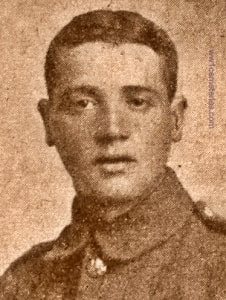
1045433 Private
Gordon Dooley Blue
15th Bn. Canadian Infantry
22nd April 1918.
Plot V. C. 20.
Gordon Dooley Blue
15th Bn. Canadian Infantry
22nd April 1918.
Plot V. C. 20.
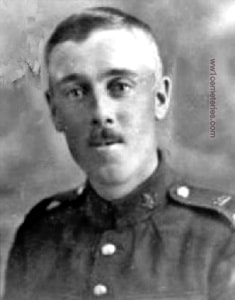
38360 Private
Arthur Brennand
"X" Coy. 11th Bn. East Lancashire Regiment
7th January 1918, aged 22.
Plot II. F. 8.
Son of John and Martha Brennand, of Burnley.
His headstone bears the inscription; "Our Dear Son And Brother He Was Precious To Us. All Sweet Memories."
Colonel W. D. Lowe wrote the following to Arthur's parents;
"He was killed by a shell in the front line yesterday (7th January), about one o'clock in the afternoon, he had, of course only joined the battalion recently. His memory will be cherished by all his comrades."
Lieutenant J. A. Forzie also wrote;
"Perhaps it will be some small comfort to know that he was taken away without pain or suffering his death being absolutely instantaneous. At the time the fatal shell came across, he was asleep in his dug-out, and there is little doubt that death resulted from concussion. As I have only had command of the platoon a few days, it has not been my privilege to get to know your son. He died as any good soldier would wish to die and having laid down his life in defence of home and loved ones, he has made the supreme sacrifice."
Arthur Brennand
"X" Coy. 11th Bn. East Lancashire Regiment
7th January 1918, aged 22.
Plot II. F. 8.
Son of John and Martha Brennand, of Burnley.
His headstone bears the inscription; "Our Dear Son And Brother He Was Precious To Us. All Sweet Memories."
Colonel W. D. Lowe wrote the following to Arthur's parents;
"He was killed by a shell in the front line yesterday (7th January), about one o'clock in the afternoon, he had, of course only joined the battalion recently. His memory will be cherished by all his comrades."
Lieutenant J. A. Forzie also wrote;
"Perhaps it will be some small comfort to know that he was taken away without pain or suffering his death being absolutely instantaneous. At the time the fatal shell came across, he was asleep in his dug-out, and there is little doubt that death resulted from concussion. As I have only had command of the platoon a few days, it has not been my privilege to get to know your son. He died as any good soldier would wish to die and having laid down his life in defence of home and loved ones, he has made the supreme sacrifice."
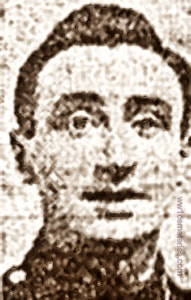
701047 Private
Robert William Brown
16th Bn. Canadian Infantry
29th April 1918, aged 29.
Plot VI. C. 17.
Son of Thomas and Ann Brown, of Rivers, Manitoba. Native of Liverpool, England.
His headstone bears the inscription; "Never Forgotten By Those At Home."
Robert William Brown
16th Bn. Canadian Infantry
29th April 1918, aged 29.
Plot VI. C. 17.
Son of Thomas and Ann Brown, of Rivers, Manitoba. Native of Liverpool, England.
His headstone bears the inscription; "Never Forgotten By Those At Home."
527814 Private
Samuel Wilson Corbett
3rd Field Amb. Canadian Army Medical Corps
23rd April 1918, aged 26.
Plot V. C. 21.
Son of Samuel Wilson Corbett and Lizzie Helena Corbett, of Derrylin, Co. Fermanagh, Ireland.
His headstone bears the inscription; "Thy Will Be Done."
Samuel Wilson Corbett
3rd Field Amb. Canadian Army Medical Corps
23rd April 1918, aged 26.
Plot V. C. 21.
Son of Samuel Wilson Corbett and Lizzie Helena Corbett, of Derrylin, Co. Fermanagh, Ireland.
His headstone bears the inscription; "Thy Will Be Done."


192926 Private
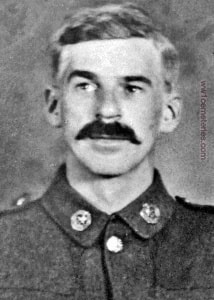
George Ford Duncan
15th Bn. Canadian Infantry
29th April 1918, aged 35.
Plot VI. C. 18.
Son of William and Mary Duncan, of Newcastle-on-Tyne, England; husband of Alice Marian Duncan, of 706, Rhodes Avenue, Toronto, Ontario.
George Ford Duncan
15th Bn. Canadian Infantry
29th April 1918, aged 35.
Plot VI. C. 18.
Son of William and Mary Duncan, of Newcastle-on-Tyne, England; husband of Alice Marian Duncan, of 706, Rhodes Avenue, Toronto, Ontario.
246102 Private
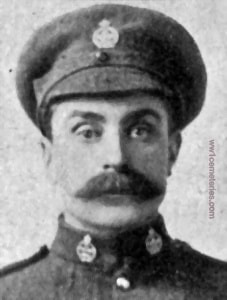
Alfred Louis Evans
2nd Bn. Canadian Infantry
20th April 1918, aged 40.
Plot V. C. 2.
Son of Francis Teale Evans and Sarah Evans, of Coventry, England; husband of Emily Leah Evans, of Laurentian View, Ottawa, Ontario.
His headstone bears the inscription; "I Have Joined Those I Love And Await Those I Still Love."
Alfred Louis Evans
2nd Bn. Canadian Infantry
20th April 1918, aged 40.
Plot V. C. 2.
Son of Francis Teale Evans and Sarah Evans, of Coventry, England; husband of Emily Leah Evans, of Laurentian View, Ottawa, Ontario.
His headstone bears the inscription; "I Have Joined Those I Love And Await Those I Still Love."
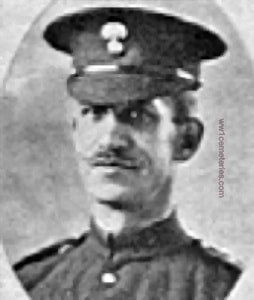
178127 Private
Charles Floyd
"D" Coy. 87th Bn. Canadian Infantry
30th April 1918, aged 37.
Plot V. B. 5.
Son of Isaac and Ann Floyd; husband of Martha Floyd, of 2247A, St. Dominique St., Montreal. Born at Liverpool, England.
His headstone bears the inscription; "For Liberty, Country And God."
Charles Floyd
"D" Coy. 87th Bn. Canadian Infantry
30th April 1918, aged 37.
Plot V. B. 5.
Son of Isaac and Ann Floyd; husband of Martha Floyd, of 2247A, St. Dominique St., Montreal. Born at Liverpool, England.
His headstone bears the inscription; "For Liberty, Country And God."
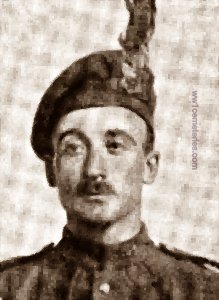
877654 Private
Russell Fraser
85th Bn. Canadian Infantry
29th April 1918, aged 28.
Plot VI. C. 20.
Son of Mr. and Mrs. Samuel A. Fraser, of South Barr, Sydney, Cape Breton, Nova Scotia.
His headstone bears the inscription; "Pax Domini Sit Semper Vobiscum." (Latin; The Peace of The Lord be With You Always.)
Russell Fraser
85th Bn. Canadian Infantry
29th April 1918, aged 28.
Plot VI. C. 20.
Son of Mr. and Mrs. Samuel A. Fraser, of South Barr, Sydney, Cape Breton, Nova Scotia.
His headstone bears the inscription; "Pax Domini Sit Semper Vobiscum." (Latin; The Peace of The Lord be With You Always.)
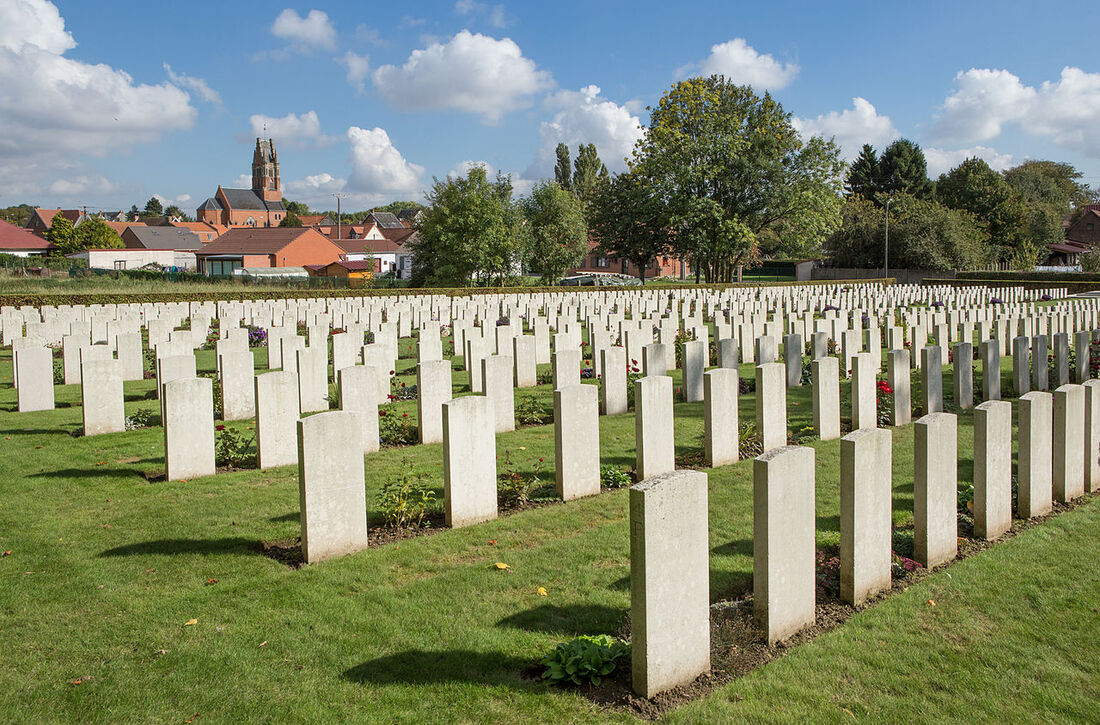
Image © Werner Van Caneghem
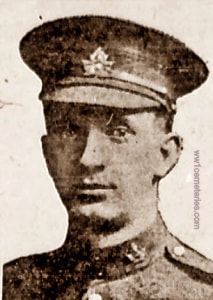
700134 Private
Harry Finney Gibson
85th Bn. Canadian Infantry
30th March 1918.
Plot V. B. 20.
Harry Finney Gibson
85th Bn. Canadian Infantry
30th March 1918.
Plot V. B. 20.
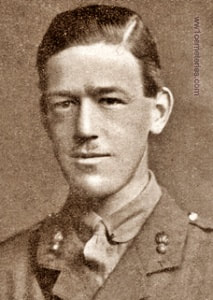
Major
James Gordon Goodfellow, M. C.
416th (Edinburgh) Field Coy. Royal Engineers
23rd March 1918, aged 28.
Plot VI. A. 27.
Son of Thomas and Jane G. Goodfellow, of "The Brae," Golf Rd., Auckland, New Zealand.
James Gordon Goodfellow, M. C.
416th (Edinburgh) Field Coy. Royal Engineers
23rd March 1918, aged 28.
Plot VI. A. 27.
Son of Thomas and Jane G. Goodfellow, of "The Brae," Golf Rd., Auckland, New Zealand.
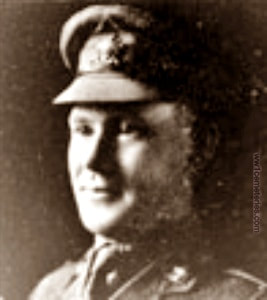
Lieutenant
James Vincent Harrison
50th Bn. Canadian Infantry
16th April 1918, aged 29.
Plot IV. C. 12.
Son of John and Margaret A. Harrison, of Tamworth, Ontario.
James Vincent Harrison
50th Bn. Canadian Infantry
16th April 1918, aged 29.
Plot IV. C. 12.
Son of John and Margaret A. Harrison, of Tamworth, Ontario.
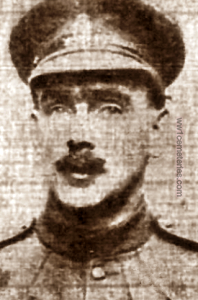
796652 Lance Corporal
John William Huke
14th Bn. Canadian Infantry
28th April 1918, aged 33.
Plot VI. C. 14.
Son of John and Mary Ann Huke, of 2, Lincoln St., Bow, London, England; husband of Mary Ann Huke.
His headstone bears the inscription; "May His Soul Rest In Peace."
John William Huke
14th Bn. Canadian Infantry
28th April 1918, aged 33.
Plot VI. C. 14.
Son of John and Mary Ann Huke, of 2, Lincoln St., Bow, London, England; husband of Mary Ann Huke.
His headstone bears the inscription; "May His Soul Rest In Peace."
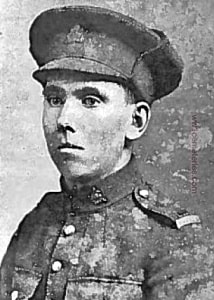
642825 Private
Herman Wallace Kiernan
"C" Coy. 4th Bn. Canadian Infantry
25th April 1918, aged 21.
Plot VI. C. 3.
Son of David and Julia Etta Kiernan (nee Stephenson), of Mansfield, Ontario.
His headstone bears the inscription; "Until The Resurrection Morn."
Herman Wallace Kiernan
"C" Coy. 4th Bn. Canadian Infantry
25th April 1918, aged 21.
Plot VI. C. 3.
Son of David and Julia Etta Kiernan (nee Stephenson), of Mansfield, Ontario.
His headstone bears the inscription; "Until The Resurrection Morn."
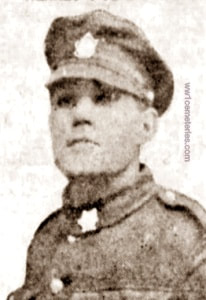
820692 Sergeant
William Lacasse
44th Bn. Canadian Infantry
28th April 1918.
Plot VI. C. 8.
William Lacasse
44th Bn. Canadian Infantry
28th April 1918.
Plot VI. C. 8.
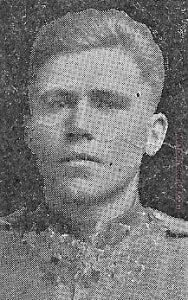
1009976 Private
Ambrose Paul Levangie
46th Bn. Canadian Infantry
5th April 1918, aged 26.
Plot VI. B. 16.
Son of Paul and Mary Elizabeth Levangie, of Frankville, Nova Scotia.
Ambrose Paul Levangie
46th Bn. Canadian Infantry
5th April 1918, aged 26.
Plot VI. B. 16.
Son of Paul and Mary Elizabeth Levangie, of Frankville, Nova Scotia.
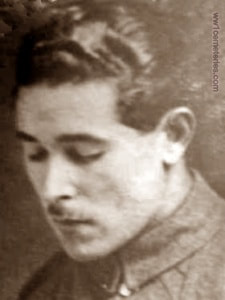
415193 Rifleman
Godfrey Levy
9th Coy. 15th Bn. London Regiment (Queen Victoria's Rifles)
22nd December 1917, aged 26.
Plot I. F. 26.
Son of Samuel and Esther Levy, of Brockley London; husband of Winifred Levy, of 23, Wellington Terrace, Falmouth, Cornwall.
His headstone bears the inscription; "He Builded Better Than He Knew." (From 'The Problem' by Ralph Waldo Emerson.)
Godfrey Levy
9th Coy. 15th Bn. London Regiment (Queen Victoria's Rifles)
22nd December 1917, aged 26.
Plot I. F. 26.
Son of Samuel and Esther Levy, of Brockley London; husband of Winifred Levy, of 23, Wellington Terrace, Falmouth, Cornwall.
His headstone bears the inscription; "He Builded Better Than He Knew." (From 'The Problem' by Ralph Waldo Emerson.)
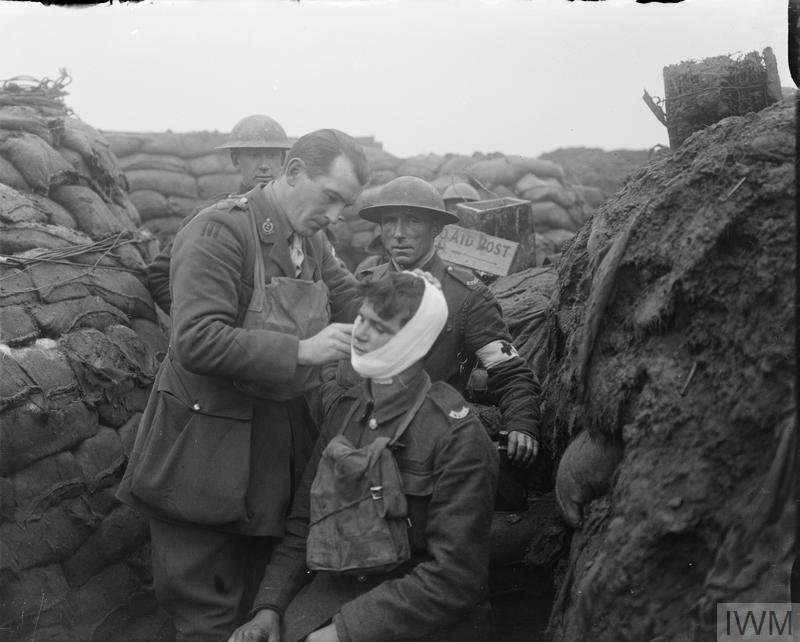
The RAMC officer, attached to the 12th Battalion, East Yorkshire Regiment (92nd Brigade, 31st Division), bandaging the face wound of a man of his battalion in the line in the Arleux sector, near Roclincourt, 9 January 1918. © IWM (Q 11545)
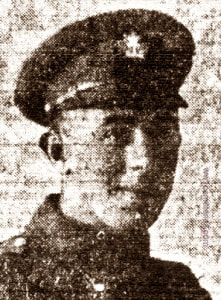
772268 Private
James Lamb MacDonald
1st Bn. Canadian Infantry
20th April 1918, aged 21.
Plot V. C. 5.
Son of James and Marion Macdonald, of 18, Ruth Street, Brantford, Ontario. Native of Dundee, Scotland.
James Lamb MacDonald
1st Bn. Canadian Infantry
20th April 1918, aged 21.
Plot V. C. 5.
Son of James and Marion Macdonald, of 18, Ruth Street, Brantford, Ontario. Native of Dundee, Scotland.
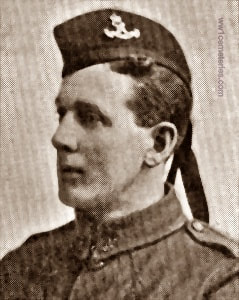
77631 Corporal
Duncan MacLeod
16th Bn. Canadian Infantry
28th June 1917, aged 29.
Plot II. C. 8.
Only son of George and Lillias Macleod, of Creagleor House, Lewis St., Stornoway, Scotland.
His headstone bears the inscription; "Until The Day Break."
Duncan MacLeod
16th Bn. Canadian Infantry
28th June 1917, aged 29.
Plot II. C. 8.
Only son of George and Lillias Macleod, of Creagleor House, Lewis St., Stornoway, Scotland.
His headstone bears the inscription; "Until The Day Break."
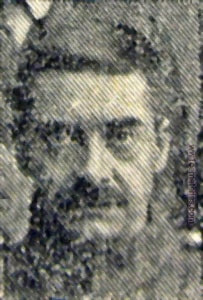
28897 Private
Arthur Mayfield
1st Bn. Sherwood Foresters (Notts and Derby Regiment)
7th October 1918.
Plot VI. E. 7.
Arthur Mayfield
1st Bn. Sherwood Foresters (Notts and Derby Regiment)
7th October 1918.
Plot VI. E. 7.
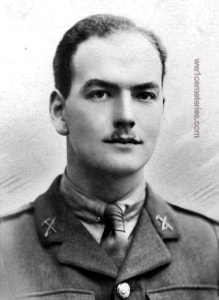
Second Lieutenant
Douglas Hamlin McKie
3rd Bn., attd. 27th (Tyneside Irish) Bn. Northumberland Fusiliers
11th April 1917, aged 24.
Plot III. A. 7.
Son of Douglas Allan McKie and Lucy Anne McKie, of 60, Prince of Wales Rd., Battersea Park, London. Volunteered from Brazil.
His headstone bears the inscription; "And How Can Man Die Better Than Facing Fearful Odds."
Douglas Hamlin McKie
3rd Bn., attd. 27th (Tyneside Irish) Bn. Northumberland Fusiliers
11th April 1917, aged 24.
Plot III. A. 7.
Son of Douglas Allan McKie and Lucy Anne McKie, of 60, Prince of Wales Rd., Battersea Park, London. Volunteered from Brazil.
His headstone bears the inscription; "And How Can Man Die Better Than Facing Fearful Odds."
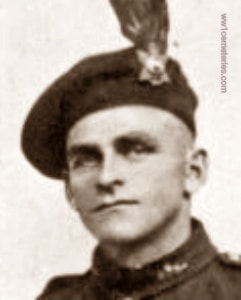
877576 Private
Joseph Patrick McNamara
85th Bn. Canadian Infantry
29th April 1918.
Plot VI. C. 21.
Joseph Patrick McNamara
85th Bn. Canadian Infantry
29th April 1918.
Plot VI. C. 21.
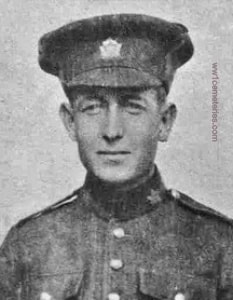
123780 Private
Lloyd A. McPhee
2nd Bn. Canadian Infantry
20th April 1918.
Plot V. C. 3.
Lloyd A. McPhee
2nd Bn. Canadian Infantry
20th April 1918.
Plot V. C. 3.
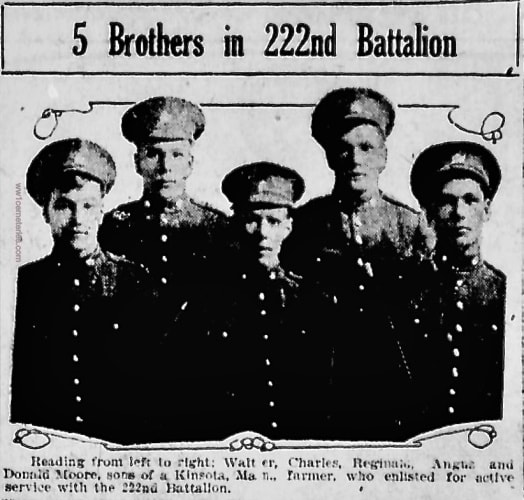
1000203 Private
Walter Moore
44th Bn. Canadian Infantry
27th April 1918, aged 24.
Plot VI. C. 7.
Son of James and Elizabeth Moore, of Kinosota, Manitoba.
His headstone bears the inscription; "Rest In Peace."
Walter is pictured on the left of this picture along with his brothers, Charles, Reginald, Angus and Donald.
Angus was also killed and is now buried at Aix-Noulette Communal Cemetery Extension.
Walter Moore
44th Bn. Canadian Infantry
27th April 1918, aged 24.
Plot VI. C. 7.
Son of James and Elizabeth Moore, of Kinosota, Manitoba.
His headstone bears the inscription; "Rest In Peace."
Walter is pictured on the left of this picture along with his brothers, Charles, Reginald, Angus and Donald.
Angus was also killed and is now buried at Aix-Noulette Communal Cemetery Extension.
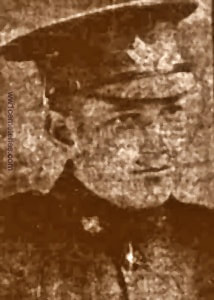
447190 Private
Archibald Prince
10th Bn. Canadian Infantry
4th May 1918.
Plot IV. D. 6.
Archibald Prince
10th Bn. Canadian Infantry
4th May 1918.
Plot IV. D. 6.
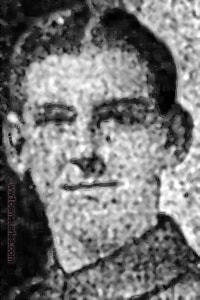
23418 Private
Aubrey Oliver Pryer
"D" Coy. 14th Bn. Royal Warwickshire Regiment
5th May 1917, aged 23.
Plot III. B. 6.
Son of John and Emily Agnes Pryer, of 51, Belmont Rd., Luton, Beds.
His headstone bears the inscription; "O God We Leave Him In Thy Care And Pray We May His Spirit Share."
Aubrey Oliver Pryer
"D" Coy. 14th Bn. Royal Warwickshire Regiment
5th May 1917, aged 23.
Plot III. B. 6.
Son of John and Emily Agnes Pryer, of 51, Belmont Rd., Luton, Beds.
His headstone bears the inscription; "O God We Leave Him In Thy Care And Pray We May His Spirit Share."
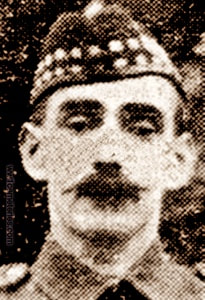
202555 Private
James Ross
1st/4th Bn. Seaforth Highlanders
10th April 1917, aged 37.
Plot II. A. 28.
Native of Tain. Son of James Ross; husband of Margaret Calder Ross, of 6, Thornhill, Tain, Ross-shire.
His headstone bears the inscription; "Greater Love Hath No Man That He Lay Down His Life For His Friends."
James Ross
1st/4th Bn. Seaforth Highlanders
10th April 1917, aged 37.
Plot II. A. 28.
Native of Tain. Son of James Ross; husband of Margaret Calder Ross, of 6, Thornhill, Tain, Ross-shire.
His headstone bears the inscription; "Greater Love Hath No Man That He Lay Down His Life For His Friends."
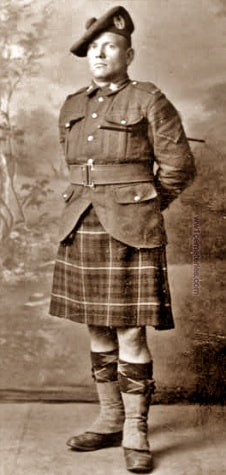
1015246 Corporal
Walter Ross
72nd Bn. Canadian Infantry
2nd April 1918, aged 30.
Plot VI. B. 10.
Walter Ross
72nd Bn. Canadian Infantry
2nd April 1918, aged 30.
Plot VI. B. 10.
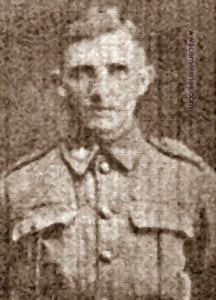
220057 Private
William Russell
50th Bn. Canadian Infantry
9th April 1918.
Plot VI. B. 20.
William Russell
50th Bn. Canadian Infantry
9th April 1918.
Plot VI. B. 20.
Images in this gallery © Werner Van Caneghem


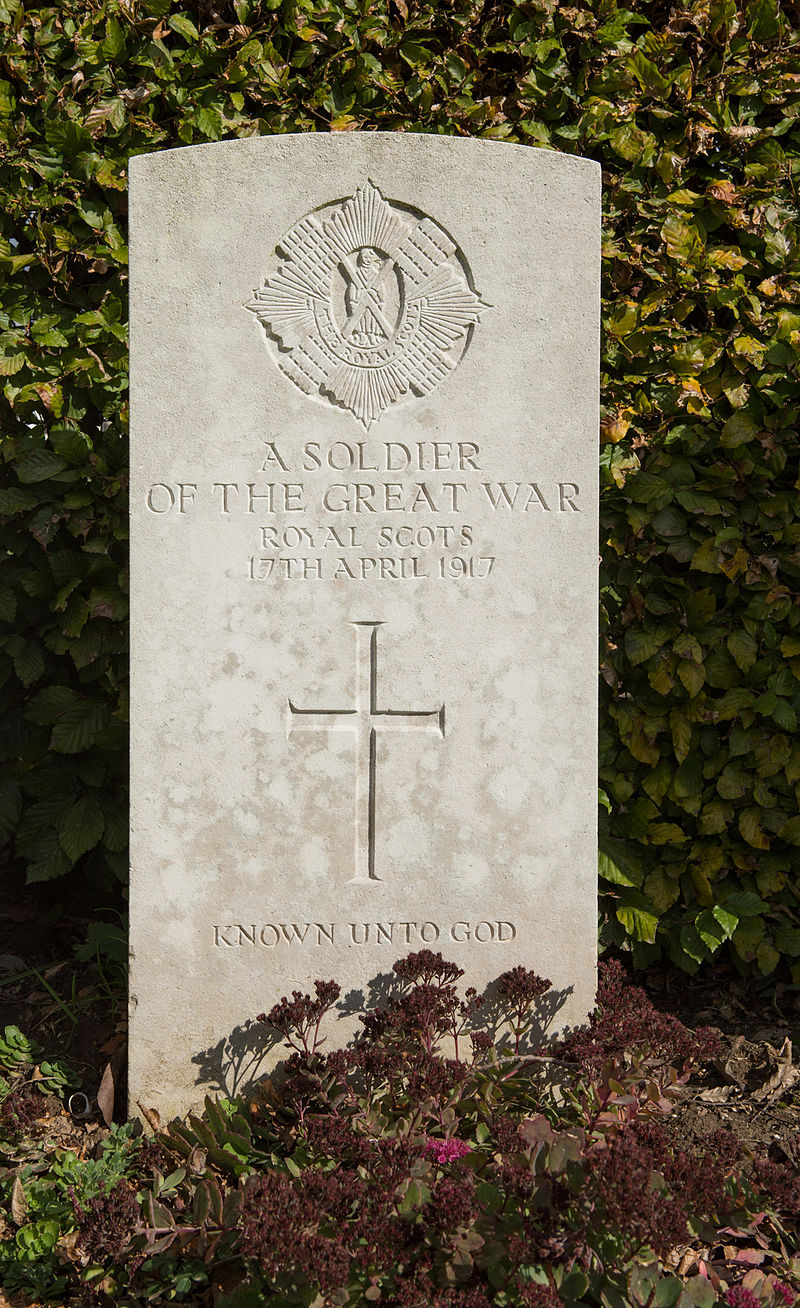
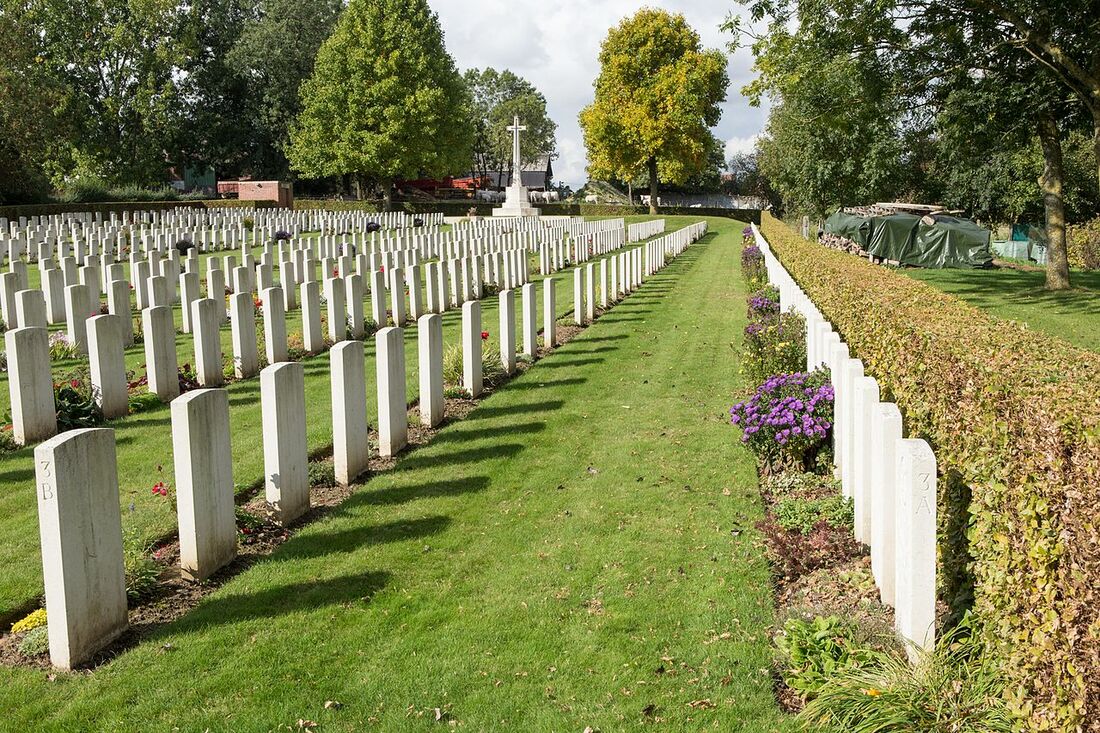
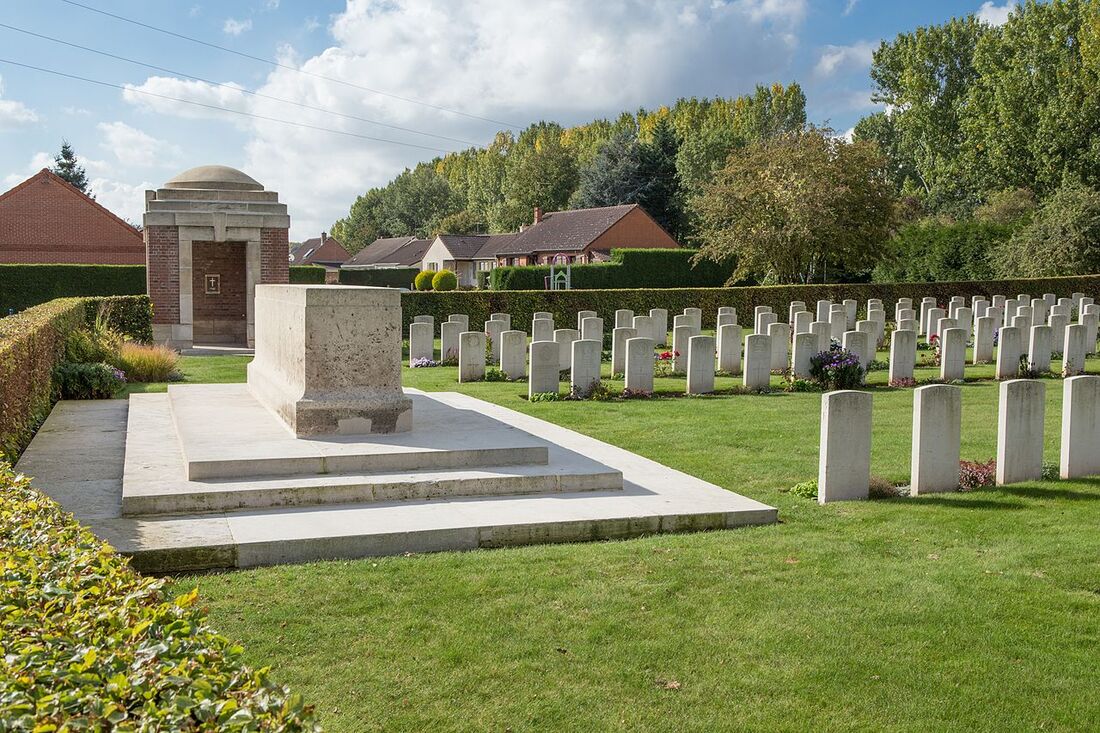
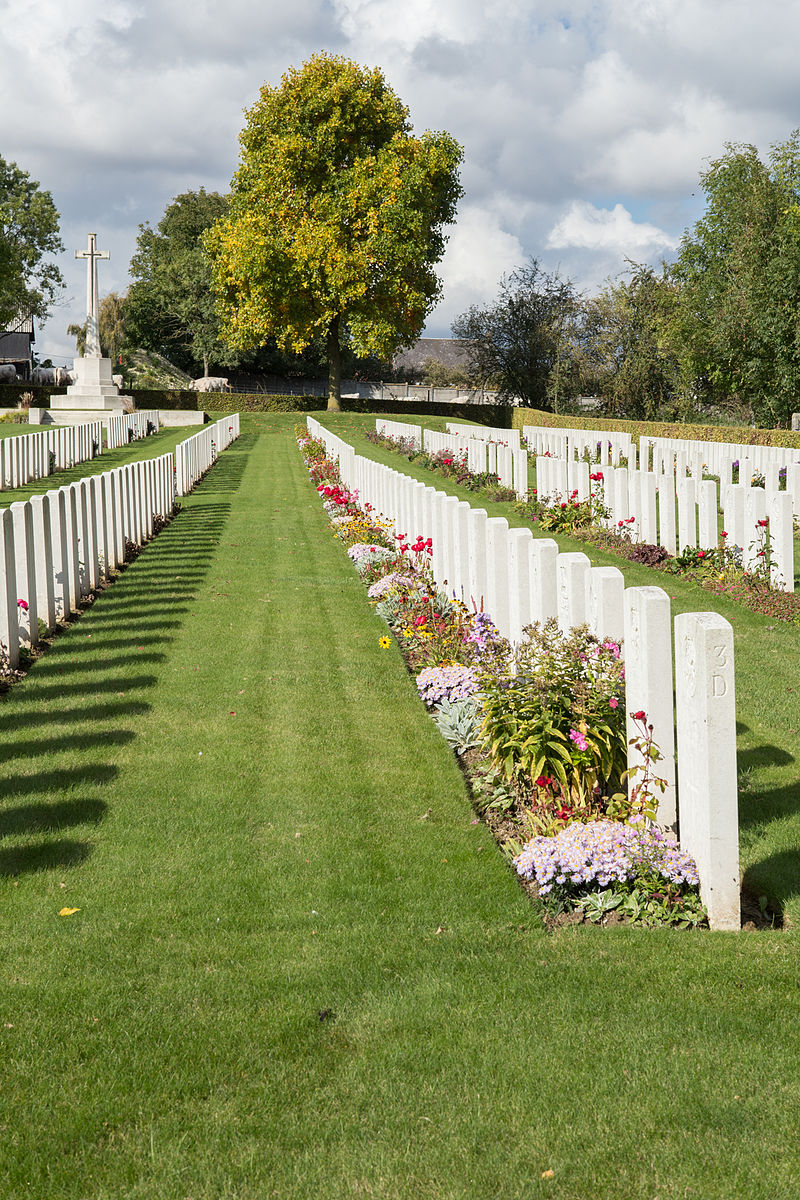
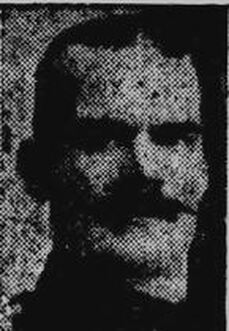
18575 Private
W. Scrivener
1st Bn. Bedfordshire Regiment., transf. to (222240) 208th Div. Employment Coy. Labour Corps
12th August 1917.
Plot II. D. 16.
W. Scrivener
1st Bn. Bedfordshire Regiment., transf. to (222240) 208th Div. Employment Coy. Labour Corps
12th August 1917.
Plot II. D. 16.
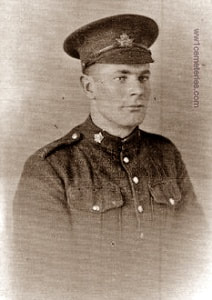
642768 Private
Hugh Robert Sharpe
75th Bn. Canadian Infantry
30th March 1918.
Plot VI. B. 7.
Hugh Robert Sharpe
75th Bn. Canadian Infantry
30th March 1918.
Plot VI. B. 7.
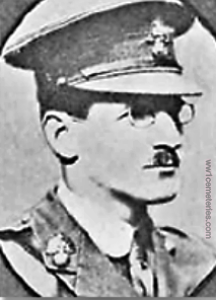
Second Lieutenant
Benjamin Alfred Starling
2nd Bn. London Regiment (Royal Fusiliers)
23rd March 1918, aged 39.
Plot IV. B. 1.
Son of John Henry and Jane Starling, of Greensborough, Victoria, Australia.
Benjamin Alfred Starling
2nd Bn. London Regiment (Royal Fusiliers)
23rd March 1918, aged 39.
Plot IV. B. 1.
Son of John Henry and Jane Starling, of Greensborough, Victoria, Australia.
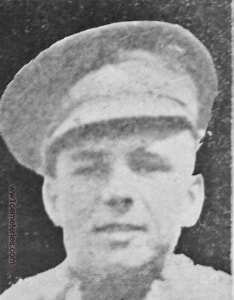
730526 Private
Horace Henry Stoneman
1st Bn. Canadian Infantry
25th April 1918, aged 20.
Plot VI. C. 2.
Son of Mr. and Mrs. Henry Stoneman, of 128, Dufferin St., St. Catharines, Ontario.
His headstone bears the inscription; "Farewell! In Hope And Love In Faith And Peace And Prayer."
Horace Henry Stoneman
1st Bn. Canadian Infantry
25th April 1918, aged 20.
Plot VI. C. 2.
Son of Mr. and Mrs. Henry Stoneman, of 128, Dufferin St., St. Catharines, Ontario.
His headstone bears the inscription; "Farewell! In Hope And Love In Faith And Peace And Prayer."
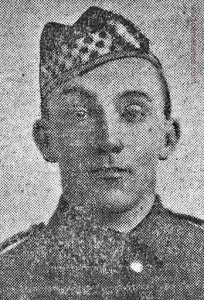
Second Lieutenant
Thomas Bryson Waddell
5th Bn. Seaforth Highlanders
8th April 1917, aged 27.
Plot II. A. 27.
Son of John and Marion Bryson Waddell, of 16, Woodwynd, Kilwinning, Ayrshire.
Thomas Bryson Waddell
5th Bn. Seaforth Highlanders
8th April 1917, aged 27.
Plot II. A. 27.
Son of John and Marion Bryson Waddell, of 16, Woodwynd, Kilwinning, Ayrshire.
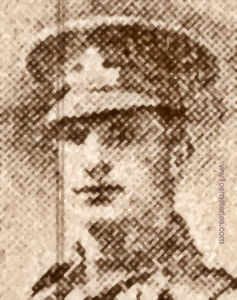
97039 Gunner
George Wiltshire
55th Div. Ammunition Col. Royal Field Artillery
28th March 1918.
Plot VI. B. 2.
George Wiltshire
55th Div. Ammunition Col. Royal Field Artillery
28th March 1918.
Plot VI. B. 2.
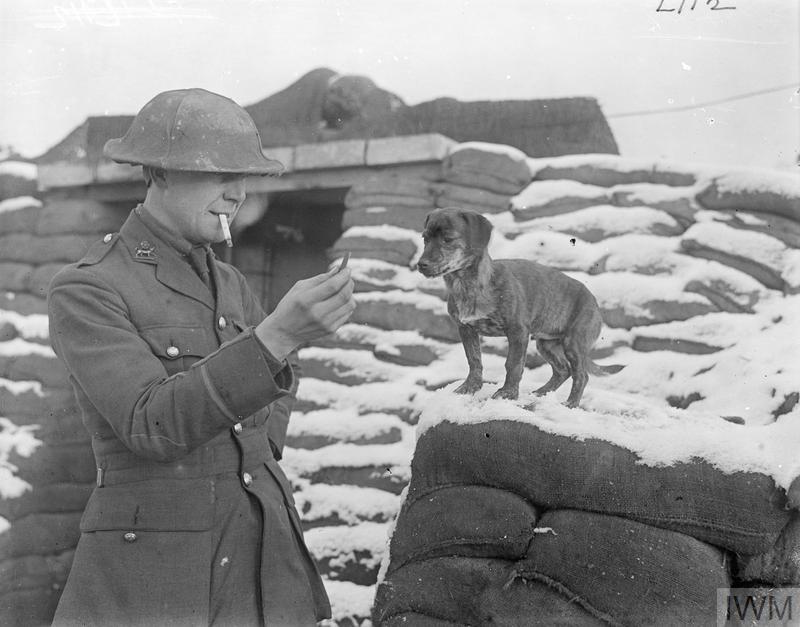
An officer York and Lancaster Regiment, probably 2/4th Battalion part of 187th Brigade, feeds a puppy outside a reinforced dugout in a trench near Roclincourt, on the 62nd Division front between Oppy and Gavrelle, 13 January, 1918. © IWM (Q 8439)
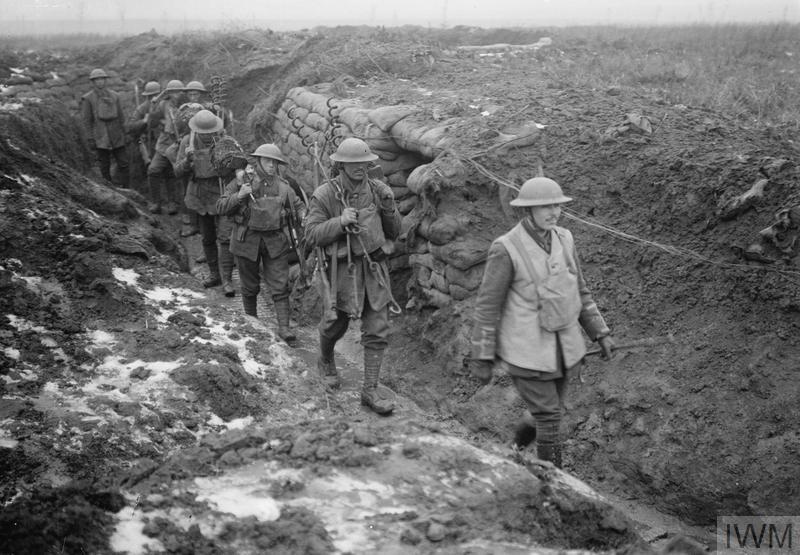
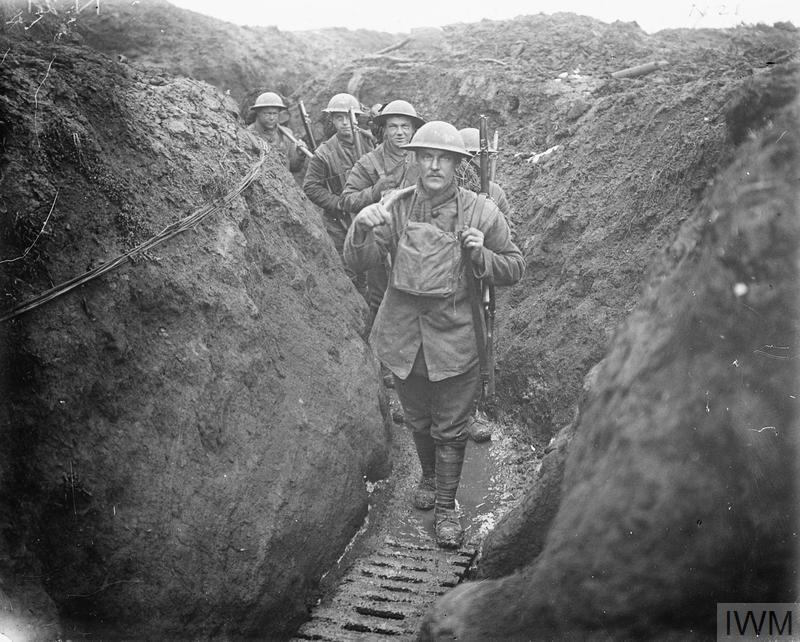
A wiring party of the 12th Battalion, East Yorkshire Regiment, 31st Division, passing along a communication trench near Roclincourt, January 1918. © IWM (Q 10611)